 Anahita Attarian
Buying property in Turkey can be attractive because of lower entry prices compared with many European markets, coastal lifestyle options, large cities, rental demand in tourist areas, and possible residence or citizenship routes for qualifying buyers. The risks of buying property in Turkey come from legal title issues, foreign ownership restrictions, earthquake and building safety, off-plan delays, overpricing, currency exposure, tax and fee surprises, rental management problems, and misleading residency or citizenship claims. A buyer can reduce most risks through title deed checks, independent legal review, valuation, building inspection, location research, and careful contract review. The main rule is simple: do not treat a Turkish property purchase as safe only because the price looks low or the project is marketed to foreigners.
What Are the Main Risks of Buying Property in Turkey?
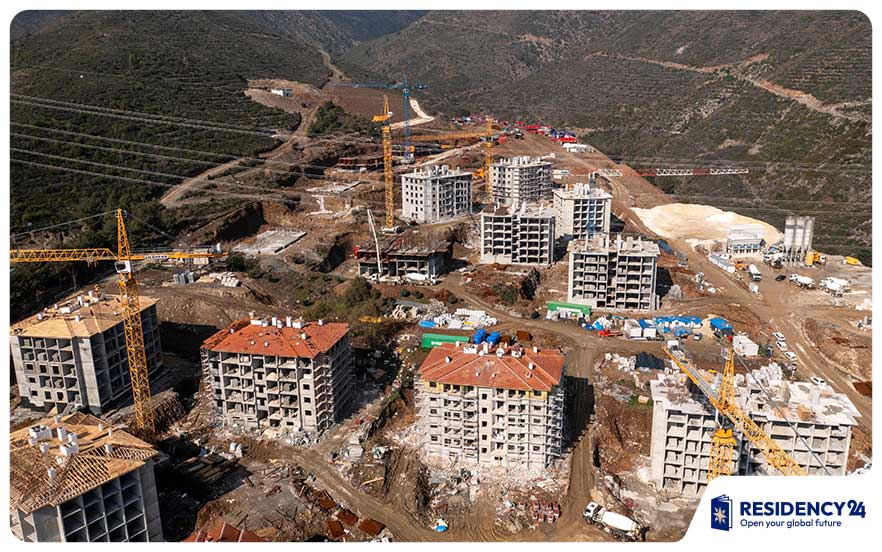
The main risks of buying property in Turkey are unclear title status, buying in restricted areas, developer delays, weak construction quality, earthquake vulnerability, overpaying, currency movement, hidden costs, rental income uncertainty, and false promises about residency or citizenship. Foreign buyers should verify the title deed, zoning, habitation certificate, debts, mortgages, building permits, earthquake compliance, and the seller's legal authority before paying a deposit.
The UK government warns foreign buyers that property procedures and legislation in Turkey differ from those in the UK and that some safeguards buyers may expect at home may not exist in Turkey. This is a useful warning for all international buyers, not only British nationals. It is also the reason to treat the decision to buy property in Turkey as a legal process first and a market decision second.
Title Deed Risk
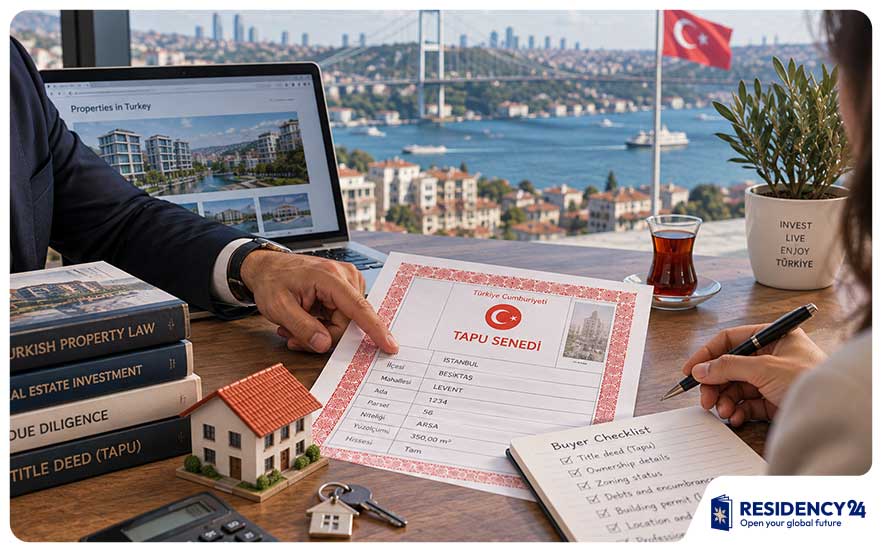
Title deed risk is one of the most important risks of buying property in Turkey. A buyer must confirm that the seller is the registered owner and that the property can legally be transferred. In Turkey, ownership transfer is completed through the land registry system, not only through a private contract.
A risky property may have:
Mortgage registration
Unpaid debts or liens
Seizure or court restriction
Incomplete title status
Dispute between heirs or co-owners
Wrong property description
Construction servitude instead of full condominium ownership
Missing habitation certificate
Seller without full authority
Informal or unofficial sale agreement
The buyer should request the title deed information before signing. The land registry record should be checked by a qualified lawyer or official professional, not only by the real estate agent.
Land Deed vs Proper Residential Title
Not every title deed gives the same level of security for a completed residential property. Foreign buyers sometimes see a property advertised as a finished apartment, but the title structure may not yet reflect full condominium ownership.
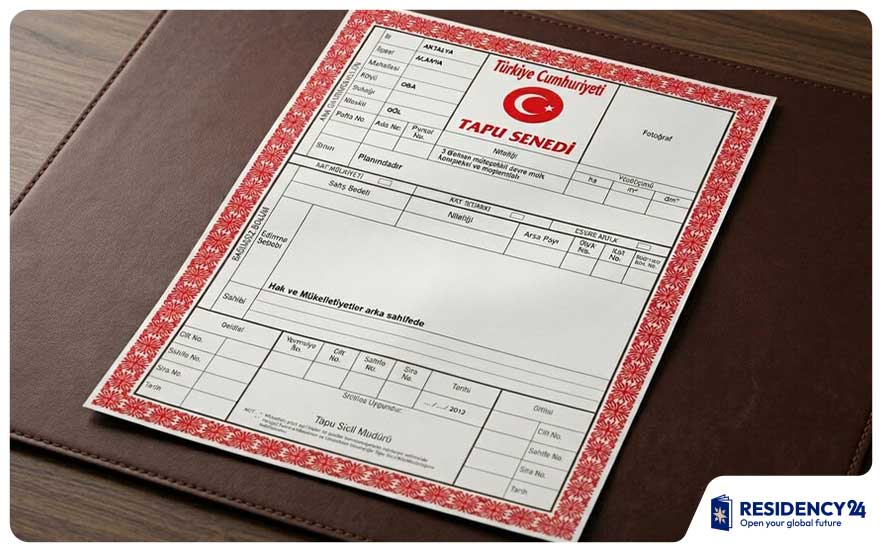
The UK government's Turkey property guidance notes that there are two types of deeds in Turkey: a land deed and the proper title deed, which can be obtained once the habitation certificate is available.
This matters because a buyer may believe they are buying a ready home but actually receive a less complete form of title. Before buying an apartment or villa, check:
Is the property recorded as residential?
Is there a habitation certificate?
Is condominium ownership established?
Is the unit number correct?
Does the title match the physical property?
Are common areas and land shares clear?
Are there unpaid building or municipal obligations?
A title deed should not be reviewed only for the buyer's name. It should be reviewed for what exactly is being transferred.
Foreign Ownership Restrictions
Foreigners can buy property in Turkey, but the right is not unlimited. Some properties may be restricted by location, total area rules, military or security zones, planning status, or nationality-related conditions.
Turkey's official "Your Key Türkiye" portal, prepared by the General Directorate of Land Registry and Cadastre, explains that the total area of real estate acquired by foreign natural persons cannot exceed 10% of the district area subject to private property. This does not affect every normal apartment purchase, but it shows that foreign ownership is regulated.
Before buying, check:
Is the buyer's nationality eligible?
Is the property in a restricted zone?
Is the area open to foreign ownership?
Is the land size within legal limits?
Is the property residential, commercial, agricultural, or land?
Does the transaction need additional permission?
Has the area reached foreign ownership limits?
A property can look legally available at the sales office, but the final answer should come through proper legal and land registry checks.
Buying in Areas Closed to Residence Registration
A property may be legally purchasable but still create immigration problems if the buyer wants to live in Turkey. Some neighborhoods have been closed to new foreign residence registrations because of foreign population density or administrative rules.
Turkey's Migration Management has previously published announcements about neighborhood closures for residence-related applications. This makes location checking important for buyers who are purchasing property for residence, not only investment.
Before buying for residency, ask:
Is the neighborhood open for new foreign residence registration?
Does the address support an immigration application?
Is the property value high enough for the relevant permit route?
Will the buyer actually live in the property?
Are family members included correctly?
Are local migration practices changing?
Do not buy first and ask about residence later. If residency is part of the reason for buying, immigration suitability should be checked before paying a deposit.
Residency Misunderstanding
One major risk is assuming that buying property in Turkey automatically gives residency. It does not. A property can support a residence permit application if it meets the rules, but the buyer must still apply and receive approval.
The UK government's Turkey property guidance states that buying property does not grant permission to obtain a residence or work permit. This means the title deed and residence permit are separate matters.
Property buyers should avoid agents or sellers who say:
"Any property gives residence."
"You will automatically get a residence card."
"A cheap apartment is enough."
"The title deed is the visa."
"You can work in Turkey after buying property."
"Your family will automatically qualify."
For property-based residence, the property must normally be residential, suitable for residence use, and meet current value and documentation requirements. The application can still be refused if the file is weak.
Citizenship Misunderstanding
Citizenship by property investment is different from ordinary property ownership or property-based residence. A buyer who purchases a low-cost apartment should not assume they are on a citizenship path.
Turkey's official investment guidance states that foreigners may acquire Turkish citizenship through exceptional procedures by purchasing real estate worth at least USD 400,000 or equivalent, with a title deed restriction preventing resale for at least three years. Anyone buying with that outcome in mind should confirm the current conditions for Turkish citizenship by investment before choosing a property, not after signing.
This creates several risks:
Buying property below the citizenship threshold
Using an inflated or unacceptable valuation
Failing to meet payment documentation rules
Buying from a seller or structure that does not qualify
Reselling too early
Assuming citizenship approval is automatic
Mixing multiple properties without proper legal review
Ignoring exchange and transfer documentation
Citizenship by investment is a formal legal process. It should be handled as an immigration and compliance matter, not as a simple property purchase benefit.
Off-Plan Property Risk
Off-plan property is heavily marketed to foreign buyers in Turkey, especially in Istanbul, Antalya, Alanya, Bodrum, Izmir, and coastal resort areas. It can be attractive because payment plans are flexible and prices may appear lower before completion. The risk is that the buyer is purchasing a promise, not a finished asset.
Off-plan risks include:
Construction delay
Project cancellation
Developer financial problems
Changes in design or specification
Lower-quality materials than advertised
Missing habitation certificate
Difficulty transferring title
Weak resale demand before completion
Higher completion costs
Delayed infrastructure around the project
A buyer should check the developer's completed projects, land ownership, construction permit, payment schedule, penalty clauses, delivery date, title status, and escrow or payment protection structure. If the contract does not clearly protect the buyer, the discount may not be worth the risk.
Developer and Contractor Risk
Developer reputation matters in Turkey because construction quality, delivery timing, after-sales service, and documentation can vary. A strong sales office does not prove that the developer has a reliable record.
Before buying from a developer, review:
Completed projects
Handover history
Customer complaints
Construction permits
Occupancy or habitation certificate process
Financial capacity
Legal disputes
Land ownership
Contract terms
Warranty and defect responsibility
Property management structure
Small developers are not automatically bad, and large developers are not automatically safe. The buyer should verify the project legally and technically before relying on brand presentation.
Earthquake and Building Safety Risk
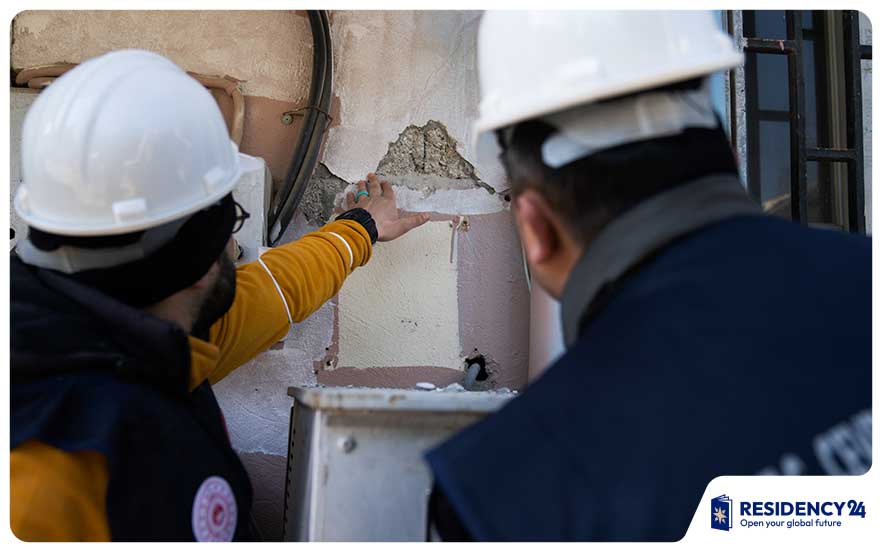
Earthquake risk is one of the most serious property risks in Turkey. Buyers should not evaluate a property only by view, price, decoration, or location. Structural safety and soil conditions matter.
AFAD, Turkey's disaster and emergency authority, advises people buying or renting a home to investigate structural safety as well as size, view, and location. AFAD also states that the Turkish Building Earthquake Code sets minimum requirements for the design of new buildings and the seismic assessment and strengthening of existing buildings.
Before buying, check:
Construction year
Building permit
Earthquake regulation compliance
Soil report
Structural engineering report
Concrete and reinforcement quality, where assessable
Damage history
Retrofitting history
Municipality records
Insurance status
Whether the building is in an urban transformation zone
A renovated interior does not mean the building is structurally safe. For older buildings, an independent engineering inspection can be more important than negotiation on price.
Location and Soil Risk
In Turkey, location risk is not only about neighborhood popularity. It also includes seismic zone, soil quality, slope, flood exposure, landslide risk, and infrastructure quality.
AFAD's earthquake safety guidance advises that settlement areas should be carefully selected, housing should not be built on loose-soil sloped land, and buildings should be constructed according to earthquake-resistant techniques and regulations.
Buyers should review:
Earthquake hazard map
Soil and foundation conditions
Proximity to fault lines
Flood or landslide exposure
Road and drainage infrastructure
Emergency access
Building density
Municipality development plans
A cheap property in a risky location can become expensive after one serious structural or environmental problem.
Overpricing Risk for Foreign Buyers
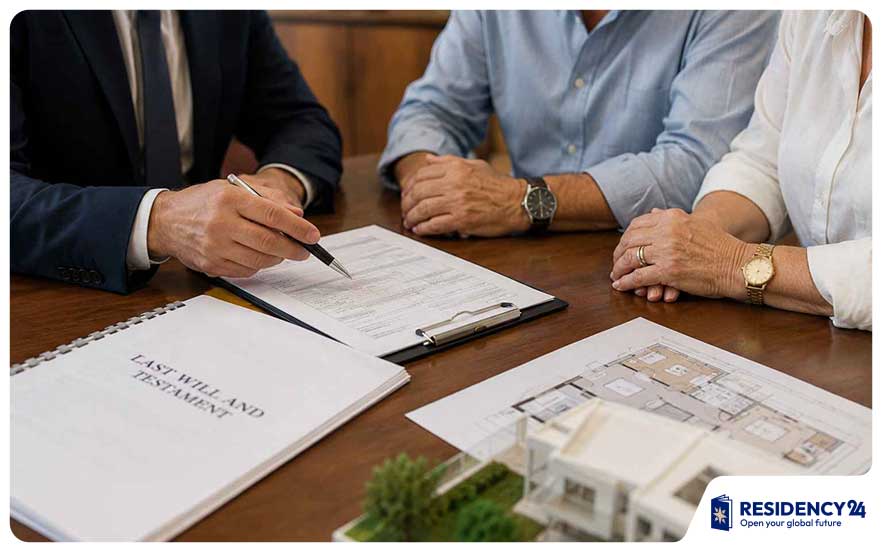
Foreign buyers may pay more than the local market price if they rely only on foreign-language sales channels, packaged investment tours, or developer marketing. Some projects are priced specifically for international buyers and may not reflect local resale demand.
Overpricing risk is common when:
The project is sold mainly to foreigners.
The buyer does not compare local listings.
The agent controls all information.
The price is quoted in USD or EUR without local comparison.
Rental income is exaggerated.
Citizenship or residence benefits are used to justify a premium.
The buyer does not check recent transaction values.
The unit is sold with furniture or services at inflated prices.
A buyer should compare similar properties in the same district, not only similar-looking projects in a brochure. Resale value depends on what future buyers will pay, not what the first foreign buyer was charged. Foreign-buyer premiums appear in every regional market, and the Pros and Cons of Buying Property in Dubai include the same warning about paying an international sales price for a local asset.
Valuation Risk
Valuation risk matters for both investment and immigration. A property may be advertised at one price, declared at another price, and assessed at a different official value. This can affect citizenship, residence, tax, mortgage, and resale planning.
Turkey's official citizenship portal explains that, for citizenship-related real estate acquisition, the required investment amount must be confirmed through the relevant determination process and documentation.
Valuation problems can occur when:
The declared title deed value is lower than the real price.
The official valuation does not support the citizenship threshold.
The buyer overpays compared with market value.
The bank valuation is lower than the purchase price.
The seller wants informal payments.
The payment evidence does not match the declared price.
Buyers should keep the transaction transparent. Under-declaration may look cheaper in the short term but can create legal, tax, and immigration problems later.
Currency and Exchange Rate Risk
Turkey property is often marketed to foreigners in USD, EUR, GBP, or AED, while many local costs, rents, taxes, and fees are connected to Turkish lira. This creates currency risk.
A foreign buyer may face currency risk in several ways:
Purchase price quoted in foreign currency
Rental income collected in lira
Maintenance costs paid in lira
Resale price affected by local purchasing power
Exchange rate changes between deposit and completion
Mortgage exposure if borrowing in a different currency
Capital controls or banking procedures in the future
Home-country currency loss when converting funds back
A property can rise in Turkish lira but still underperform in the buyer's home currency. Investors should measure returns in the currency they actually use for wealth planning.
Hidden Cost Risk
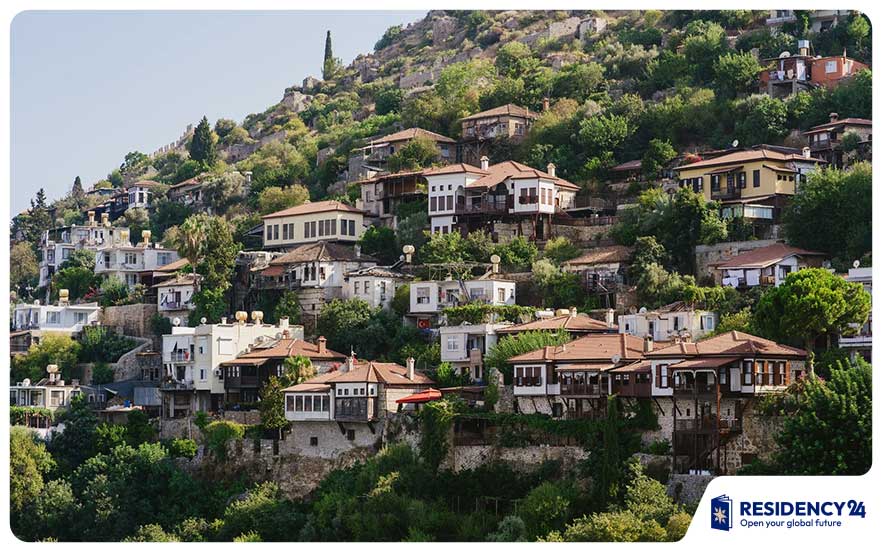
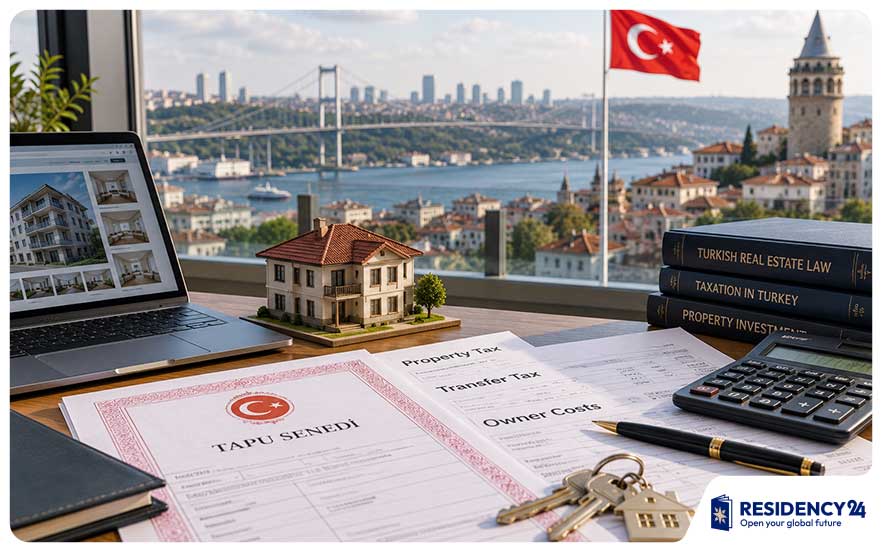
The purchase price is not the full cost of buying property in Turkey. Buyers must budget for taxes, fees, legal support, translator costs, insurance, utilities, agency commission, furniture, renovation, maintenance, and ongoing building charges.
Possible costs include:
Title deed fee
Valuation report
Sworn translator
Notary costs
Legal fees
Agent commission
Compulsory earthquake insurance
Property tax
Utility connection fees
Maintenance fees
Renovation
Furniture and appliances
Site management charges
Rental management fees
Income tax on rental income, where applicable
A low advertised price may become less attractive after full ownership and operating costs are included. Buyers should request a written cost schedule before committing.
Mortgage and Financing Risk
Foreign buyers may have access to mortgage finance in Turkey, but financing conditions can vary by bank, nationality, residence status, income source, currency, and property type. A property that seems affordable with financing may become expensive if interest rates, exchange rates, or rental income assumptions change.
Mortgage risks include:
Lower loan-to-value than expected
High interest cost
Currency mismatch
Bank valuation below purchase price
Required life insurance or fees
Delayed approval
Early repayment penalties
Difficulty financing off-plan property
Rental income not covering installments
Legal complexity for non-resident borrowers
A buyer should secure financing terms before signing a binding purchase contract. Never assume that a bank will approve the exact amount the developer or agent suggested.
Rental Yield Risk
Some Turkish properties are marketed with high rental yield claims. These projections should be checked carefully. Tourist areas can be seasonal, long-term rents may be lower than advertised, and rental management costs can reduce net income. A useful discipline is to compare the promised figure with a published market benchmark such as the Average Rental Yield in Dubai, because a Turkish coastal project promising far more than an established market usually carries a hidden assumption.
Rental yield risk is higher when:
The property depends only on summer tourism.
Short-term rental rules are unclear.
The building has many similar rental units.
The area is oversupplied.
The property is far from transport or services.
Management fees are high.
Furniture replacement is frequent.
The local economy weakens.
The rent is quoted before tax and expenses.
A realistic rental model should include vacancy, maintenance, management fee, tax, utility responsibility, platform costs, seasonality, and currency conversion.
Short-Term Rental Regulation Risk
Short-term rental rules can affect buyers who plan to use Airbnb-style income. Regulations may require permits, building consent, identity reporting, tax compliance, or operating restrictions.
This risk is important in tourist cities such as Istanbul, Antalya, Alanya, Bodrum, Fethiye, and Izmir. A property may look profitable as a holiday rental, but the legal and building management rules may reduce or block that strategy. Short-let returns are also decided by micro-location rather than by the city, which is why guidance on the Best Area for Short-Term Rental in Dubai narrows down to specific districts instead of the whole market.
Before buying for short-term rental, check:
Is short-term rental allowed in the building?
Is a permit required?
Are neighbors or building management able to object?
Are guest identity reporting rules required?
Is the municipality enforcing restrictions?
What taxes apply?
Who will manage check-in and cleaning?
How many months of demand are realistic?
A property should still work under a long-term rental scenario if the short-term rental plan becomes difficult.
Tenant and Property Management Risk
Foreign owners who do not live in Turkey need reliable property management. Without it, small problems can become expensive. Rent collection, repairs, utility bills, guest complaints, and tenant turnover require local handling.
Management risks include:
Poor tenant screening
Late rent payments
Damage to furniture or fixtures
Unpaid utilities
Weak maintenance response
Overcharging by contractors
Empty months between tenants
Unclear management contract
Poor communication with the owner
Tax and reporting mistakes
A buyer should choose a property manager separately from the sales agent where possible. The person who sells the property is not always the best person to manage it.
Legal Contract Risk
Private contracts, reservation forms, and developer agreements can create risk if the buyer signs without independent review. A contract may contain weak buyer protections, unclear refund rules, one-sided penalties, vague delivery dates, or poor defect clauses.
A safe contract should define:
Property details
Full price
Payment schedule
Deposit terms
Refund rules
Delivery date
Delay penalties
Title transfer timing
Included furniture or finishes
Defect liability
Seller obligations
Buyer obligations
Currency and payment method
Dispute resolution
Official registration steps
Contracts should be translated into a language the buyer understands. A buyer should not sign a Turkish document based only on a verbal explanation.
Power of Attorney Risk
Many foreign buyers use a power of attorney because they cannot stay in Turkey for the entire process. This can be practical, but it also creates risk if the document gives too much authority to the wrong person.
Power of attorney risk includes:
Giving broad authority unnecessarily
Allowing the agent to sell, mortgage, or transfer property
Poorly translated wording
Using an untrusted representative
No clear expiration or limitation
Not understanding what powers were granted
A power of attorney should be specific, limited, and reviewed before signing. It should only give the authority needed for the transaction.
Agent and Sales Misrepresentation Risk
Real estate agents can be useful, but buyers should remember that agents usually earn commission from closing the sale. The buyer needs independent verification, especially when the agent also recommends the lawyer, valuation contact, translator, mortgage broker, and property manager.
Warning signs include:
Pressure to pay a deposit quickly
Guaranteed rental return with no contract
Guaranteed citizenship or residence claims
Refusal to share title documents
Vague answers about permits
No clear seller identity
Asking for cash payments
Promising unrealistic resale profit
Discouraging independent legal review
Claiming "all foreigners buy this way"
A serious agent should accept due diligence. If questions create pressure or defensiveness, the buyer should slow down.
Resale and Liquidity Risk
A property is not liquid just because it is easy to buy. Resale can be difficult if the area is oversupplied, the property is overpriced, the building is poorly managed, or the buyer pool is narrow.
Liquidity risk is higher with:
Projects sold mainly to foreigners
Large complexes with many similar units
Remote areas without year-round demand
Luxury homes with limited local buyers
Properties without proper title status
Buildings with maintenance problems
Areas dependent only on tourism
Properties bought above market price
Before buying, check actual resale listings and transaction history. If many similar units are sitting unsold, the exit may be harder than the sales pitch suggests.
Tax and Reporting Risk
Foreign buyers should understand Turkish taxes and their own home-country tax obligations. Buying, owning, renting, and selling property may all have tax consequences.
Tax risks may include:
Title deed fee
Annual property tax
Rental income tax
Capital gains tax
VAT in some transactions
Inheritance tax
Tax in the buyer's country of residence
Double-taxation questions
Record-keeping failures
Under-declared transaction value
Tax should be reviewed before buying if the property is for investment. A rental property with poor tax planning can produce lower net returns than expected.
Inheritance and Succession Risk
Foreign buyers often ignore inheritance planning. If the owner dies, heirs may need to deal with Turkish inheritance procedures, foreign documents, translations, tax, and local court or registry requirements.
Turkey's official investment guidance states that foreigners' right of inheritance is protected. Still, the process can be slow or complex if ownership is not structured properly.
Buyers should consider:
Whether to buy individually or jointly
How Turkish inheritance rules may apply
Whether a Turkish will is useful
How heirs will prove relationship
Tax consequences
Whether the home country has conflicting rules
What happens if the property is mortgaged
Inheritance planning is especially important for older buyers, families, and investors buying multiple properties.
Renovation and Maintenance Risk
Older Turkish apartments can look attractive because of location and price, but maintenance can be expensive. Renovation quality also varies. A newly painted unit may hide plumbing, electrical, insulation, moisture, or structural problems.
Maintenance risks include:
Roof leaks
Damp and mold
Old electrical wiring
Poor plumbing
Weak sound insulation
Unpaid building maintenance
Elevator problems
Fire safety issues
Poor heating or cooling
Unauthorized alterations
Weak building management
Before buying an older property, get an independent inspection. For apartments, also check the building's common areas, not only the unit interior.
Buying Land in Turkey
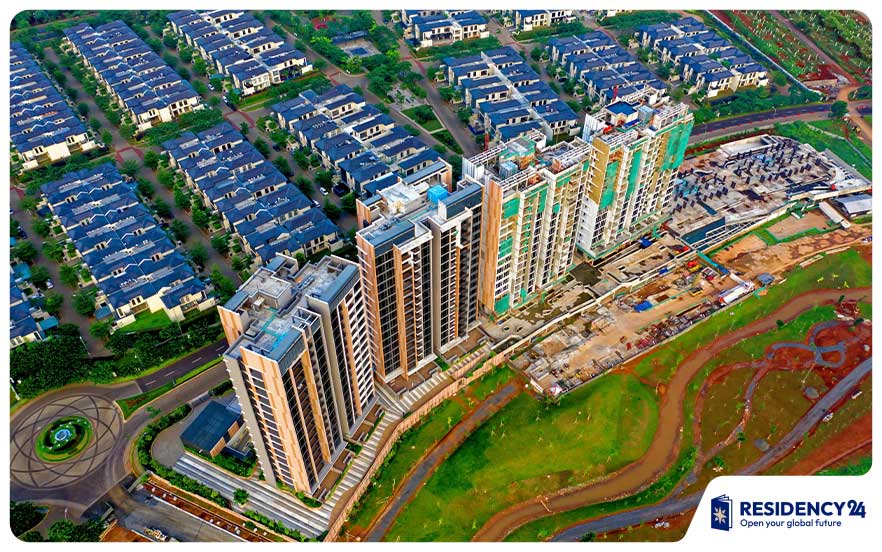
Buying land in Turkey carries more risk than buying a ready residential unit. Land may have zoning limits, foreign ownership limits, development obligations, agricultural restrictions, road access problems, infrastructure issues, or approval requirements.
Turkey's official guidance for foreign legal persons notes that projects to be developed on unstructured real estate purchased by foreign companies must be submitted to the relevant ministry within two years. Rules differ depending on whether the buyer is an individual or legal entity, but the broader point remains: undeveloped real estate needs more legal review.
Land buyers should check:
Zoning status
Building permission
Road access
Utility access
Agricultural or protected status
Foreign ownership eligibility
Development deadlines
Municipality plans
Neighboring plots
Easements and access rights
Land should not be treated like a simple apartment purchase.
Risk Checklist Before Buying Property in Turkey
A buyer should complete due diligence before paying a deposit or signing a binding contract.
Use this checklist:
Confirm the seller is the registered owner.
Check the title deed through proper channels.
Confirm there is no mortgage, lien, seizure, or restriction.
Verify the property is residential if buying for residence.
Check foreign ownership eligibility.
Confirm the area is not restricted.
Review zoning and building permits.
Check habitation certificate status.
Inspect earthquake safety and construction quality.
Compare local market prices.
Obtain independent legal advice.
Use a sworn translator if documents are in Turkish.
Avoid informal cash payments.
Check all taxes and transaction costs.
Review rental rules if buying for income.
Confirm residence or citizenship eligibility separately.
Plan for currency and resale risk.
Keep all payment records.
This checklist should be completed before commitment, not after the seller accepts the offer.
When Buying Property in Turkey May Be Too Risky
Buying property in Turkey may be too risky if the buyer does not understand the legal process, is pressured to act quickly, or needs guaranteed residence, rental income, or short-term profit.
It may be better to pause if:
The seller refuses document checks.
The agent discourages a lawyer.
The property is far below market price without a clear reason.
The developer has no completed record.
The title status is unclear.
The building has no proper habitation certificate.
The area is closed to foreign residence registration.
The property is marketed with guaranteed citizenship but the price is below threshold.
Rental income is promised but not contractually supported.
The buyer cannot afford delays, vacancies, or resale difficulty.
A missed deal is usually less expensive than a bad property purchase.
How to Reduce the Risks
Most risks of buying property in Turkey can be reduced with a disciplined process. The buyer should separate sales information from verified information.
Practical risk reduction steps include:
Hire an independent lawyer.
Verify the title deed.
Check debts and restrictions.
Confirm foreign ownership eligibility.
Get an independent valuation.
Inspect the building technically.
Check earthquake compliance.
Review all contracts before signing.
Use official payment channels.
Keep full payment evidence.
Avoid under-declared values.
Confirm residence or citizenship rules separately.
Compare resale prices.
Budget for taxes and fees.
Choose a realistic rental strategy.
Use a trusted property manager if abroad.
The safest property is usually not the one with the most aggressive discount. It is the one where the legal, technical, financial, and immigration details are clear. Residency24 handles property purchase, residence permits, company formation, and investment planning together, which is the point at which most of these risks are either caught or missed.
Conclusion
The risks of buying property in Turkey include title deed problems, foreign ownership restrictions, off-plan delays, earthquake safety concerns, overpricing, valuation gaps, currency movement, hidden costs, rental income uncertainty, and misleading claims about residency or citizenship. These risks do not mean foreign buyers should avoid Turkey completely, but they do mean that every purchase should be checked carefully before payment. A buyer should verify the title deed, building permits, habitation certificate, debts, zoning, earthquake safety, location restrictions, market value, contract terms, and immigration suitability. Property-based residence and citizenship by investment are separate legal routes and should never be assumed from an ordinary purchase. A safe Turkey property investment starts with due diligence, independent advice, and realistic numbers.