 Anahita Attarian
Buying property in Dubai can be attractive for investors, residents, entrepreneurs, and families who want long-term exposure to one of the region’s most active real estate markets. The main advantages are foreign ownership in designated freehold areas, strong rental demand, tax efficiency for many personal investors, high-quality infrastructure, and the possibility of residence through property investment. The main disadvantages are high transaction costs, market cycles, off-plan risks, service charges, oversupply in some areas, and the need for careful due diligence. Dubai property can be a good investment, but it is not automatically a safe or high-return decision. The outcome depends on purchase price, location, property type, developer quality, rental demand, ownership structure, and exit strategy.
Is Buying Property in Dubai a Good Idea?
Buying property in Dubai can be a good idea if the property is in a strong location, bought at a reasonable price, has clear rental or lifestyle value, and fits the buyer’s financial plan. It is less suitable for buyers who rely only on short-term price growth, ignore service charges, or purchase off-plan property without checking the developer, payment plan, handover timeline, and resale market.
For end-users, Dubai property can provide stability, lifestyle control, and possible long-term savings compared with renting. For investors, it can offer rental income, capital appreciation potential, and portfolio diversification. The decision should be made with numbers, not only with market excitement.
Quick Overview: Pros and Cons of Buying Property in Dubai
Pros | Cons |
|---|---|
Foreigners can buy in designated freehold areas | Not all areas are open to foreign freehold ownership |
Strong rental demand in many communities | Rental yield varies sharply by building and area |
Potential eligibility for long-term residence | Property value and ownership conditions must meet visa rules |
No corporate tax on most personal real estate investment income | Tax treatment can differ for companies and business activity |
High-quality infrastructure and lifestyle appeal | Service charges and maintenance can reduce returns |
Wide choice of ready and off-plan properties | Off-plan projects carry delay, quality, and resale risks |
Strong global demand for Dubai property | Market cycles and oversupply can affect prices |
No annual property tax in the usual ownership model | Upfront transaction costs are significant |
Potential rental income in AED | Vacancy, tenant issues, and management costs remain possible |
Developed real estate regulation system | Due diligence is still essential before signing |
Pro: Foreign Buyers Can Own Property in Freehold Areas
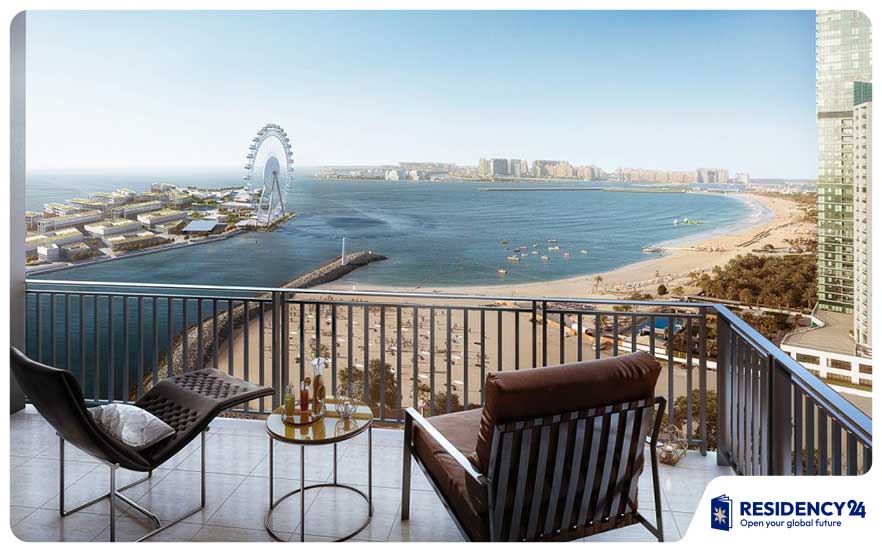
One of the biggest advantages of buying property in Dubai is that non-UAE nationals can own property in designated freehold areas. Dubai’s real estate framework allows non-UAE nationals to acquire freehold ownership rights without time restriction in specified areas, along with usufruct or leasehold rights for up to 99 years in certain cases.
This makes Dubai more accessible than many regional property markets. Popular freehold areas include communities such as Dubai Marina, Downtown Dubai, Palm Jumeirah, Jumeirah Village Circle, Dubai Hills Estate, Business Bay, Jumeirah Lake Towers, and other designated zones.
For foreign buyers, this creates several practical benefits:
Direct property ownership in the buyer’s name
Ability to rent, sell, or transfer the property under Dubai rules
Access to residential and investment properties
Wider choice across apartments, villas, townhouses, and off-plan units
Potential use of the property for residence eligibility, if conditions are met
The limitation is important: foreign ownership rules are location-specific. Buyers should confirm the exact plot, project, and title status before paying a deposit.
Con: Not Every Dubai Property Is Freehold for Foreigners
Dubai is open to foreign buyers, but not every property in Dubai is available as foreign freehold ownership. Some areas may be leasehold, restricted, or not suitable for non-UAE ownership in the same way as designated freehold communities.
This matters because ownership type affects long-term control, resale appeal, financing, inheritance planning, and investor confidence. A buyer should not assume that every attractive listing gives the same legal rights.
Before buying, check:
Is the property in a designated freehold area?
Is it freehold, leasehold, or usufruct?
Is the title deed issued or still under construction?
Is the seller the registered owner?
Is there any mortgage, restriction, or dispute?
Is the developer registered?
Is the project registered with Dubai Land Department?
Are all payments and service charges clear?
A freehold property in a liquid, recognized area is usually easier to understand and resell than a property with unclear ownership rights.
Pro: Dubai Can Offer Strong Rental Demand
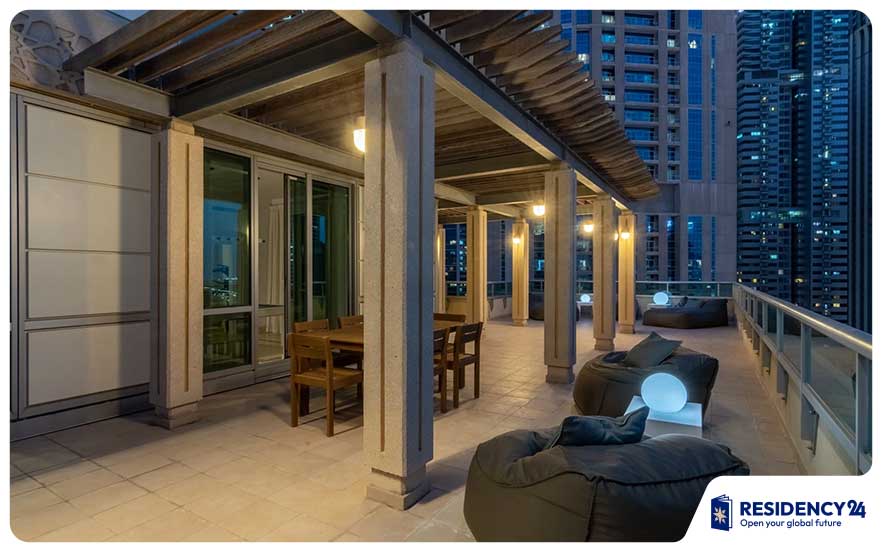
Dubai has a large tenant base because of its expatriate population, business environment, tourism sector, free zones, regional headquarters, and continuous inflow of professionals. This supports demand for apartments, villas, short-term rentals, and family homes in the right locations.
Rental demand is especially strong in areas with:
Metro or transport access
Business district proximity
Schools and family amenities
Beach or waterfront appeal
Retail and dining options
Good building maintenance
Parking
Strong developer reputation
Reasonable rent compared with nearby areas
Investors often consider Dubai because rental yields can be attractive compared with many mature global cities. However, yield is not uniform. A studio in a mid-market community may produce a higher percentage return than a luxury villa, while a prime waterfront property may offer lower yield but stronger lifestyle and resale appeal.
Con: Gross Yield Can Look Better Than Net Yield
A common mistake is judging Dubai property only by advertised gross rental yield. Typical figures by area and unit type are set out in Average Rental Yield in Dubai. Gross yield does not include service charges, maintenance, vacancy, property management, furnishing, insurance, mortgage cost, agency fees, or repair reserves.
For example, a property may show an 8% gross yield but deliver a much lower net yield after costs. This is especially relevant in high-rise buildings, hotel-style residences, waterfront projects, and communities with premium amenities.
Costs that reduce net yield include:
Annual service charges
District cooling or chiller costs, where applicable
Maintenance and repairs
Property management fees
Vacancy periods
Tenant acquisition costs
Furnishing and replacement
Short-term rental operating costs
Mortgage interest
Insurance
Community fees
The right calculation is net annual income divided by total property cost. A lower gross-yield property in a stable, liquid community may be better than a high-yield property in a weak building.
Pro: Property Investment Can Support Long-Term Residence
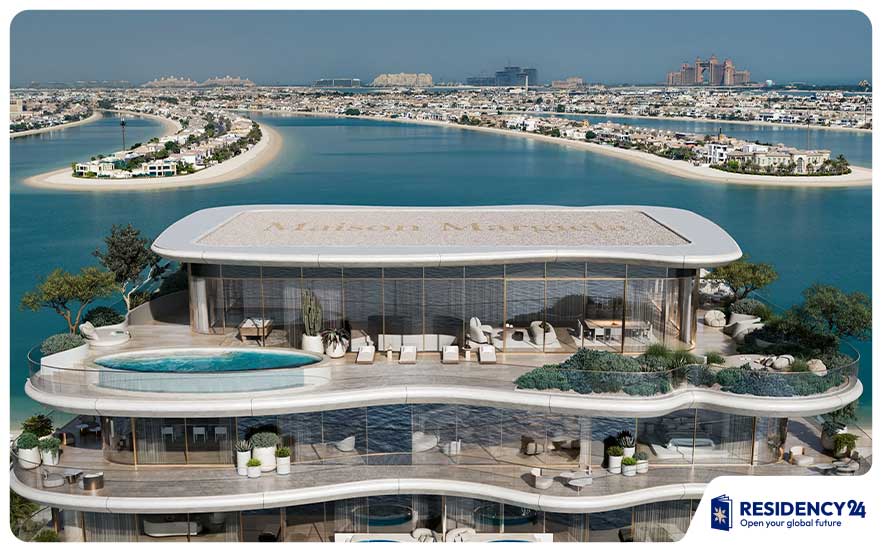
Dubai property can support long-term residence if the buyer meets the required property value and eligibility rules. Dubai Land Department states that a real estate investor who owns property with a purchase value equal to or above AED 2 million can apply for a renewable 10-year residence permit, and the spouse, children, and parents can be sponsored under the stated conditions.
This is one of the strongest reasons some investors buy property in Dubai, and the AED 2 million threshold is the same one that underpins the UAE Golden Visa. The property is not only an asset; it may also support a residence strategy.
This can be useful for:
Investors who want a long-term UAE base
Families planning relocation
Entrepreneurs setting up in Dubai
Remote workers seeking stability
Buyers who want to combine lifestyle and investment
People who want to reduce dependence on employment-based residence
For buyers comparing Dubai property purchase with residence planning, Residency24 works in property buying, company setup, residency, and investment in Dubai.
For buyers comparing Dubai property purchase with residence planning, Residency24 works in property buying, company setup, residency, and investment in Dubai.
The visa benefit should still be checked before purchase. Property value, title deed status, mortgage structure, paid amount, ownership percentage, and current regulations can affect eligibility.
Con: A Property Purchase Does Not Automatically Guarantee Residence
Buying a property in Dubai does not automatically create residence rights in every case. The property must meet the relevant value, ownership, documentation, and authority requirements. If the property is mortgaged, additional proof may be required.
Buyers should not rely only on sales claims. They should confirm the residence route before signing, especially if the visa is a major reason for buying.
Important checks include:
Does the property value meet the required threshold?
Is the property in the buyer’s name?
Is the property ready or off-plan?
Is there an issued title deed or acceptable ownership document?
Is the property mortgaged?
How much has been paid?
Is the buyer inside the UAE when required?
Are family sponsorship rules suitable?
Are service and application fees clear?
Residence rules can change, and eligibility depends on the exact case. Property should make financial sense even without relying only on visa benefits.
Pro: Tax Treatment Can Be Attractive for Personal Investors
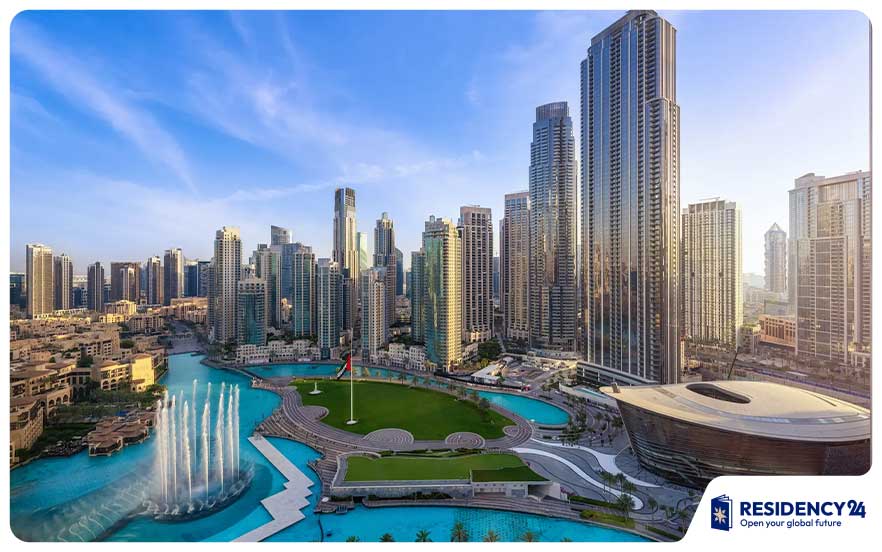
Dubai is often attractive for property buyers because the UAE tax environment is relatively favorable for many individual investors. The Federal Tax Authority states that income earned by an individual from investment in UAE property in their personal capacity will generally not be subject to UAE Corporate Tax.
The Ministry of Finance has also clarified that personal income from real estate, where it is not connected to a licensed business activity, is outside the Corporate Tax scope for natural persons.
This can make Dubai property appealing for buyers who want rental income without the same recurring tax burden found in some other countries. However, tax treatment should not be oversimplified. Companies, developers, brokers, licensed businesses, foreign juridical persons, and structured investment vehicles may face different rules.
Con: Tax and Ownership Structure Still Need Planning
Even though personal property investment can be tax-efficient, buyers should not assume that every structure has the same treatment. A person buying one apartment in their own name is different from a company buying several properties, operating short-term rentals, developing property, or using real estate as part of a business.
Tax and compliance questions may arise around:
Corporate ownership
Foreign company ownership
Short-term rental operations
VAT on certain property transactions
Corporate Tax for business activity
Permanent establishment risk for foreign companies
Inheritance and succession planning
Rental income reporting in the buyer’s home country
Double tax treaty issues
Source of funds and banking compliance
International buyers should also check tax rules in their country of residence or citizenship. Dubai may not tax a certain income stream, but another jurisdiction might.
Pro: Dubai Has Strong Infrastructure and Lifestyle Appeal
Dubai property is supported by infrastructure that makes the city attractive to residents and investors. Roads, airports, ports, business districts, malls, schools, hospitals, hotels, beaches, parks, and entertainment areas all support residential demand.
For end-users, this is a major advantage. Buying a property can provide access to a lifestyle that includes safety, international schools, healthcare, business opportunities, and global connectivity.
For investors, infrastructure improves tenant appeal. Properties close to transport, schools, business hubs, waterfronts, malls, and established communities often have more resilient demand than isolated projects with limited services.
Good lifestyle-driven locations usually have:
Strong road access
Schools or nurseries nearby
Supermarkets and clinics
Walkable amenities
Public transport, where possible
Parks or waterfront areas
Community management
Parking
Reliable building maintenance
Established tenant demand
The best Dubai property investments are often practical, not just visually impressive.
Con: Premium Lifestyle Areas Can Be Expensive to Buy and Hold
The same lifestyle features that make Dubai attractive can also make certain areas expensive. Waterfront views, branded residences, luxury towers, villas, and resort-style amenities can push purchase prices and service charges higher.
A premium property may still be a good purchase, but it should be analyzed differently from a yield-focused apartment. Luxury properties often depend more on capital appreciation, scarcity, end-user demand, and global buyer sentiment.
Buyers should be careful with:
High service charges
Expensive maintenance
Limited tenant pool
Lower rental yield percentage
Higher furnishing expectations
Luxury market volatility
Slower resale during weak periods
Dependence on view, brand, or building reputation
A prime property at the wrong price can underperform a simpler property in a more practical community.
Pro: Wide Choice of Ready and Off-Plan Properties
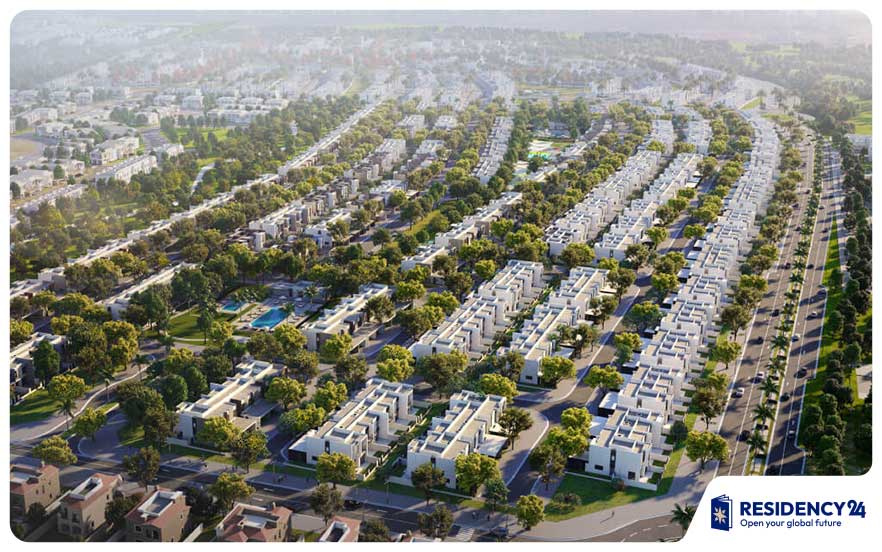
Dubai gives buyers a wide choice between ready properties and off-plan projects. Ready properties allow immediate use, rental income, inspection, and more accurate yield calculation. Off-plan properties can offer staged payment plans, newer buildings, lower initial cash requirements, and possible capital appreciation before handover.
Ready property is usually better for buyers who want:
Immediate rental income
A property they can inspect
Clear building quality
Existing service charge information
Mortgage options
Lower handover uncertainty
Real comparable rents
Off-plan property may suit buyers who want:
Staged payments
Newer design and facilities
Entry into developing areas
Potential price growth before completion
Lower upfront capital compared with ready purchase
Flexible developer payment plans
Both can work. The wrong choice is buying off-plan as if it carries the same certainty as a ready property.
Con: Off-Plan Property Carries Real Risks
Off-plan property is one of the most common ways investors enter Dubai real estate, but it carries specific risks. A project brochure is not the same as a completed property, and expected returns are not guaranteed.
Off-plan risks include:
Construction delays
Handover quality issues
Changes in market value before completion
Developer financial or operational issues
Difficulty reselling before handover
Payment plan pressure
Area infrastructure delays
Rental demand uncertainty
Service charges unknown at purchase stage
Oversupply in the same community
A buyer should review the developer’s track record, escrow arrangements, project registration, payment schedule, handover history, location maturity, and resale restrictions. Off-plan can be profitable, but it needs more due diligence than many buyers expect.
Pro: Dubai Has a Transparent Registration System
Dubai has a structured real estate registration system through Dubai Land Department. This gives buyers a formal process for ownership transfer, title deed issuance, project registration, mortgage registration, and official property records.
The official registration system helps reduce informal ownership risk. It also supports mortgages, resale, inheritance procedures, valuation, and dispute resolution.
Buyers benefit from:
Registered ownership transfer
Title deed issuance
Registered sale contracts
Mortgage registration
Official trustee offices
Project and developer records
Digital services
Property status checks
This does not remove all risk, but it gives the market a clear legal framework. Buyers should still work with licensed brokers, verify documents, and avoid informal side agreements.
Con: Transaction Costs Are High
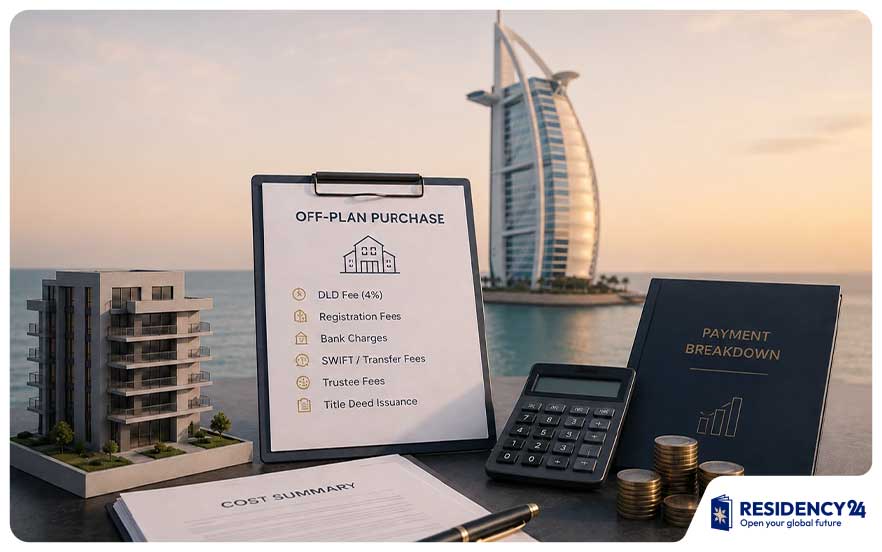
One of the main disadvantages of buying property in Dubai is the upfront transaction cost. Dubai Land Department’s fee schedule lists the fee for registering a real property sale contract as 4% of the sale contract value.
This is a significant cost because it affects the break-even point. If a buyer pays 4% registration fee, plus agency commission, trustee fees, mortgage fees, valuation fees, and moving or furnishing costs, the property may need time to appreciate before resale becomes profitable.
Common buyer-side costs may include:
DLD registration fee
Trustee office fee
Broker commission
Mortgage registration fee, if financed
Bank valuation fee
Bank arrangement fee
No-objection certificate fee
Conveyancing or legal support
Furnishing
Utility deposits
Service charge settlement
Insurance
Short-term flipping becomes harder when transaction costs are high. Buyers should plan a realistic holding period.
Pro: Dubai Property Can Diversify an Investment Portfolio
Dubai property can diversify a portfolio geographically and by asset class. For international investors, it can provide exposure to a dollar-linked currency environment, regional growth, rental income, and a globally recognized city.
This can be useful for investors who want:
Real estate exposure outside their home country
Rental income in AED
A second residence option
Access to a global business hub
Exposure to UAE population and tourism growth
Asset diversification beyond stocks or cash
Diversification is strongest when the buyer does not overconcentrate wealth in one project, one developer, or one speculative area. A balanced investor compares Dubai property with other asset classes and keeps liquidity available.
Con: Property Is Less Liquid Than Many Other Investments
Real estate is not as liquid as cash, bonds, listed stocks, or funds. Selling a Dubai property may take time, especially if the market slows, the price is too high, the building has many similar listings, or the unit is off-plan.
Liquidity depends on:
Area demand
Building reputation
Unit layout
View
Price
Service charges
Current tenant status
Mortgage status
Developer reputation
Market cycle
Buyer financing availability
A property that is easy to rent is not always easy to sell. Before buying, investors should check resale transactions in the same building or community, not only asking prices.
Pro: Financing Is Available for Many Buyers
Dubai offers mortgage options for eligible residents and non-residents. Deposit levels, eligibility and the application route are covered in How to Get a Mortgage in Dubai. This allows buyers to use leverage rather than pay the full property price in cash. Mortgages can make ownership more accessible, especially for salaried residents with stable income.
Financing can help buyers:
Preserve cash
Buy a better property
Spread payment over time
Use rental income toward mortgage payments
Build long-term equity
Avoid tying all capital into one purchase
However, financing should be used carefully. A property with a mortgage must still work under conservative assumptions for rent, vacancy, interest rates, and resale value.
Con: Mortgage Costs and Interest Rates Can Reduce Returns
A financed property can produce weaker cash flow if mortgage payments are high. Even if the property has a good gross rental yield, interest, insurance, valuation fees, and bank charges can reduce net return.
Financed buyers should calculate:
Down payment
Monthly installment
Interest rate type
Bank arrangement fee
Valuation fee
Life insurance requirement
Mortgage registration fee
Rental income after costs
Vacancy buffer
Early settlement charges
Stress scenario if rates rise
A mortgage can improve returns when prices rise, but it can increase pressure when rents fall, vacancies increase, or resale becomes difficult.
Pro: Dubai Has Strong End-User and Investor Demand
Dubai attracts residents, business owners, employees, tourists, students, investors, and high-net-worth individuals. This creates multiple sources of property demand. Some areas are driven by tenants, some by end-users, some by short-term rental guests, and some by international buyers.
A property with several demand drivers is usually safer than one depending on only one buyer type. For example, a practical one-bedroom apartment near transport and offices may appeal to residents, investors, and tenants. A very specialized luxury property may depend on fewer buyers but command a premium when demand is strong.
Strong demand areas usually have:
Established infrastructure
Recognized community name
Real rental comparables
Low vacancy
Good access
Reliable maintenance
Active resale market
Balanced supply
Demand is not permanent. It must be checked at the building and community level.
Con: Dubai Property Is Cyclical
Dubai’s property market can move quickly. Prices can rise sharply during strong demand periods and correct when supply increases or investor sentiment weakens. Buyers should avoid assuming that recent growth will continue at the same pace.
Fitch projected that Dubai residential real estate prices could face a moderate correction in late 2025 and 2026 after strong growth, citing a large increase in housing supply. Reuters reported Fitch’s view that prices had risen strongly from 2022 to early 2025 and that planned deliveries could put pressure on the market.
This does not mean every property will fall equally. Prime, scarce, ready, and well-located homes may behave differently from oversupplied off-plan apartment clusters. But it does mean buyers should use conservative assumptions.
A careful buyer should ask:
Is this area facing heavy new supply?
Are prices based on real end-user demand or speculation?
What are actual resale prices, not just asking prices?
How many similar units are available?
What happens if rent falls by 10%?
What happens if resale takes six months?
Can I hold the property through a weak market?
Property should be bought with a holding strategy, not only a short-term price expectation.
Pro: Dubai Can Work for Both Living and Investment
One advantage of buying property in Dubai is that the same asset can sometimes serve both personal and investment goals. A buyer may live in the property first, rent it later, or use it as a second home.
This flexibility can be useful for:
Families relocating to Dubai
Business owners who visit frequently
Investors planning future residence
Parents buying near schools
Remote workers needing a base
Buyers who want lifestyle and income potential
A property that works for real residents is often more resilient than one designed only for speculation. Practical layout, parking, maintenance, school access, and commute can matter more than a sales brochure.
Con: Buying for Lifestyle Can Lead to Overpaying
Lifestyle buyers sometimes pay too much because they focus on view, brand, furniture, or emotion. This can be risky if the property later needs to perform as an investment.
Common overpayment risks include:
Paying a premium for temporary views
Ignoring service charges
Buying too large a unit for rental demand
Choosing a weak building in a strong area
Accepting an unrealistic developer forecast
Not comparing actual transactions
Underestimating renovation or furnishing cost
Buying far from schools or transport
Choosing amenities that tenants will not pay more for
A lifestyle property can still be a good purchase, but the buyer should know whether they are paying for investment logic or personal preference.
Best Types of Property to Buy in Dubai
The best property type depends on the buyer’s goal. Apartments usually suit investors seeking rental yield and easier management. Villas and townhouses suit families and buyers looking for space, scarcity, and long-term end-user demand.
Buyer Goal | Suitable Property Type | Why |
|---|---|---|
Rental yield | Studio or 1-bedroom apartment | Lower entry price and broad tenant demand |
Family living | Townhouse or villa | More space, privacy, and community facilities |
Capital appreciation | Prime ready property or scarce villa | Better scarcity and end-user demand |
Short-term rental | Furnished apartment in tourist/business areas | Better guest demand and flexible pricing |
Long-term residence | Ready home near schools and services | More stability and practical daily use |
Lower maintenance | Apartment in well-managed building | Easier upkeep than villas |
Premium lifestyle | Waterfront apartment or villa | Higher lifestyle value and global appeal |
The best property is not always the most expensive one. It is the one that fits demand, budget, and exit plan.
Best Areas to Consider
Dubai has many property markets inside one city. The best area depends on whether the buyer wants rental income, family living, short-term rental demand, resale liquidity, or premium lifestyle. Family-oriented communities are compared in Best Neighborhoods in Dubai for Families, and short-let performance in Best Area for Short-Term Rental in Dubai.
Common choices include:
Dubai Marina: strong rental and lifestyle demand
Downtown Dubai: landmark location and premium tourist appeal
Business Bay: central access and business-related demand
Jumeirah Village Circle: more accessible prices and broad tenant demand
Dubai Hills Estate: family lifestyle, newer community, and long-term appeal
Palm Jumeirah: luxury waterfront living and premium positioning
Jumeirah Lake Towers: Metro access and practical mid-market demand
Arabian Ranches: established villa community
The Springs: townhouse and villa living near western Dubai
Dubai Creek Harbour: newer waterfront community with long-term potential
Area choice should be combined with building choice. A weak building in a famous area can underperform a strong building in a less famous area.
Ready Property vs Off-Plan Property
Ready property is usually better for buyers who want certainty. Off-plan property can work for buyers who accept development risk and understand the payment schedule.
Factor | Ready Property | Off-Plan Property |
|---|---|---|
Income | Can rent immediately | No rental income until handover |
Inspection | Physical inspection possible | Based on plans and show units |
Price certainty | Market comparables available | Future value uncertain |
Payment | Usually larger upfront amount | Staged payment plan |
Risk | Building condition and tenant risk | Developer, delay, quality, market risk |
Best for | End-users and income investors | Growth-oriented buyers with risk tolerance |
A conservative investor often starts with ready property. A more speculative investor may consider off-plan, but only after checking the developer, escrow, delivery record, and supply pipeline.
Due Diligence Checklist Before Buying
A Dubai property purchase should follow a clear due diligence process. This protects the buyer from overpaying, buying the wrong ownership type, or underestimating costs.
Before buying, check:
Ownership type
Title deed or project registration
Seller identity
Mortgage status
Developer record
Building maintenance
Service charges
Actual transaction prices
Comparable rents
Vacancy in the building
Future supply in the area
Payment plan
Handover timeline
Defect liability period
Agency commission
DLD fees
Mortgage eligibility
Visa eligibility, if relevant
Short-term rental rules, if relevant
Exit strategy
The buyer should also visit the area at different times of day. Traffic, parking, noise, construction, and access can look different outside viewing hours.
When Buying Property in Dubai Makes Sense
Buying property in Dubai makes sense when the buyer has a clear goal and enough financial buffer. It is strongest when the property can be held for several years and is not dependent on immediate resale profit.
It may make sense if:
You plan to live in Dubai long term.
You want rental income from a real asset.
You are buying in a liquid freehold area.
The net yield works after costs.
You have checked service charges and maintenance.
You can hold through market cycles.
You understand visa and tax rules.
You have compared ready and off-plan options.
You are not using all your cash for one purchase.
The property has a clear resale market.
A good purchase should still look reasonable under conservative assumptions.
When Buying Property in Dubai May Not Make Sense
Buying may not be the right choice if the buyer has a short time horizon, uncertain income, no emergency buffer, or limited understanding of the market. Renting can be better for people who are new to Dubai and still deciding where to live or work. The trade-off is set out in Renting vs. Buying in the UAE.
Buying may not make sense if:
You may leave Dubai within one or two years.
You cannot afford the full upfront costs.
You are relying only on quick resale profit.
You are buying based only on developer promises.
You have not checked net yield.
You do not understand service charges.
You need easy access to cash.
You are buying in an oversupplied area without a clear reason.
You need residence but the property may not qualify.
You cannot manage tenants, repairs, or vacancy.
In these cases, renting first or buying a smaller, more liquid property may be safer.
Conclusion
The pros of buying property in Dubai include foreign ownership in designated freehold areas, strong rental demand, tax efficiency for many personal investors, high-quality infrastructure, property-linked residence options, and a wide choice of ready and off-plan homes. The cons include high transaction costs, service charges, market cycles, off-plan risks, oversupply in some areas, mortgage costs, and the need for careful legal and financial due diligence. Dubai property can work well for buyers who choose the right location, verify ownership, calculate net yield, and plan for a realistic holding period. It is less suitable for buyers who expect guaranteed returns or short-term profit without understanding costs and risks. The best decision is not simply whether Dubai is a good market; it is whether a specific property, at a specific price, fits a specific buyer’s goal.