 Anahita Attarian
LLC company formation in the UAE is one of the most common routes for entrepreneurs, investors, and foreign business owners who want a legal operating company with limited liability. A UAE LLC can be formed on the mainland through the economic department of the relevant emirate, or through a free zone as a Free Zone Limited Liability Company, depending on the business model. The right structure depends on where the company will trade, whether it needs direct UAE market access, office space, visas, customs registration, regulated activity approvals, or international ownership flexibility. Many UAE LLC activities now allow full foreign ownership, but activity rules, jurisdiction, licensing authority, and compliance obligations should be checked before registration.
What Is an LLC Company in the UAE?
An LLC company in the UAE is a limited liability company where the owners' liability is generally limited to their share in the company capital. It is used for commercial, service, professional, industrial, and trading activities, depending on the license and jurisdiction.
For most foreign investors, an LLC is practical because it gives the company a recognized legal form, allows contracts under a company name, supports visa applications, and can be used for banking, invoicing, hiring, and local operations. In mainland business setup guidance, the UAE lists "limited liability company" as one of the legal forms available to investors.
Mainland LLC vs Free Zone LLC in the UAE

A mainland LLC is licensed by the economic department of an emirate and is usually better for companies that want to operate directly in the UAE market. A free zone LLC, often called an FZ-LLC, FZE, or FZCO depending on the free zone, is usually better for companies focused on international trade, services, ecommerce, holding structures, or operating inside a specific free zone. This is the first decision to settle, and the trade-offs are set out in detail in Free Zone vs. Mainland in Dubai.
Structure | Best For | Main Advantage | Main Limitation |
|---|---|---|---|
Mainland LLC | UAE market sales, local contracts, retail, services, trading | Broader ability to operate across the UAE | Office, activity, and approval requirements vary by emirate |
Free Zone LLC | International business, import-export, consulting, ecommerce, startups | Setup packages, foreign ownership, free zone ecosystem | Direct mainland trading may need extra arrangements |
Branch of a foreign company | Existing foreign companies entering the UAE | Keeps link to parent company | Not the same as an independent LLC |
Sole establishment | Individual service providers in some sectors | Simpler for certain activities | Liability and activity scope may be less suitable for larger businesses |
The choice should start with the business model. A company that sells directly to UAE clients, signs local contracts, or needs a physical commercial presence may need a mainland LLC. A company that serves overseas clients or works mainly from a free zone may not need mainland licensing at the beginning.
Who Should Choose LLC Company Formation in the UAE?
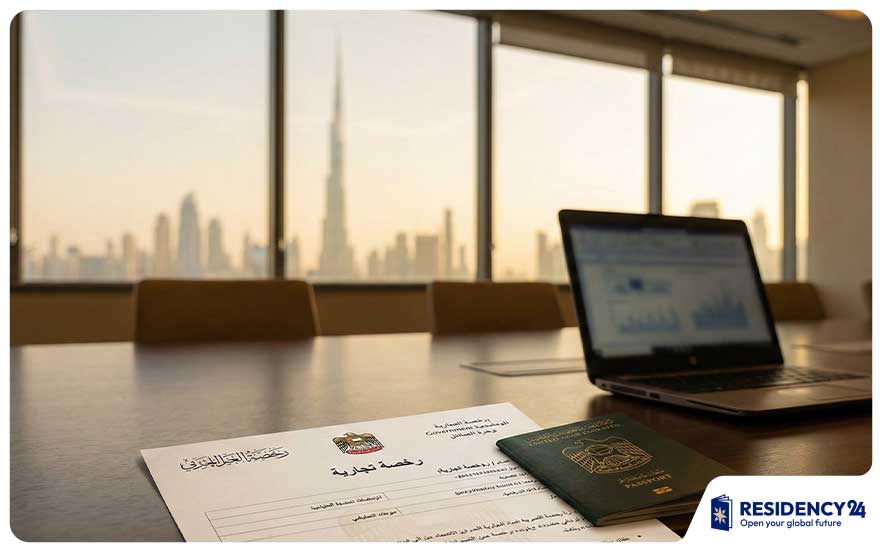
LLC company formation is suitable for investors who need a formal company structure, operational flexibility, and a recognized legal entity for doing business in the UAE. It is especially relevant when the business will hire employees, sign supplier contracts, issue invoices, rent an office, open a bank account, or apply for residence visas.
A UAE LLC may be suitable for:
Trading companies
Consulting firms
Real estate-related service businesses
Marketing and advertising agencies
IT and software companies
Ecommerce businesses
Import-export businesses
Professional service providers
Restaurants and retail businesses
Construction and contracting companies
Industrial and manufacturing businesses
Regional offices for international companies
It may not be the best structure if the business is only a passive holding arrangement, a one-person freelance activity, or an offshore-only structure with no UAE operating need.
Key Benefits of Forming an LLC in the UAE
An LLC is popular because it gives a business a flexible and widely accepted legal structure. It can work for small companies, family businesses, foreign investors, and larger operating businesses.
Main benefits include:
Limited liability for shareholders
Recognized legal form for contracts and banking
Ability to apply for residence visas
Access to UAE business infrastructure
Mainland or free zone options
Potential full foreign ownership in many activities
Suitable structure for commercial operations
Can support hiring and payroll
Can be used for local and international business
Easier credibility with suppliers, landlords, and clients
The main value is operational seriousness. An LLC is not only a license; it is a legal vehicle for running a business with defined ownership and activity scope.
Can Foreigners Own an LLC in the UAE?
Yes, foreigners can own LLC companies in the UAE, and many activities now allow 100% foreign ownership. The UAE Ministry of Economy states that investors of various nationalities may assume ownership of all legal structures under the Commercial Companies Law, including limited liability companies.
This does not mean every business activity is automatically unrestricted. Some sectors remain regulated, strategic, or subject to additional approvals. Ownership should be checked against the selected activity, licensing authority, and emirate.
Before choosing a structure, confirm:
Whether the activity allows 100% foreign ownership
Whether a UAE national partner or service agent is required
Whether the activity is regulated
Whether the company should be mainland or free zone
Whether the selected legal form supports the planned operations
Whether future expansion requires a different structure
For business setup, residency, property purchase, or investment planning connected to Dubai, Residency24 works in company formation, residence solutions, property buying, and investment advisory.
Does an LLC Owner Need to Be a UAE Resident?
A person does not always need to be a UAE resident before becoming a partner or manager in a UAE LLC. The UAE Ministry of Economy states that the Commercial Companies Law does not require a partner or manager of a limited liability company to be a UAE resident.
This is useful for foreign investors who want to register a company before relocating. However, if the owner wants to live in the UAE, manage operations locally, sponsor family members, open bank accounts more smoothly, or sign documents in person, a UAE residence visa may still be practical.
Residency is not always a legal precondition for ownership. It can still be important for operations, banking, immigration, and day-to-day control.
UAE Mainland LLC Formation: How It Works
A mainland LLC is formed through the relevant emirate's economic department. In Dubai, this is handled through Dubai's business licensing channels, while Abu Dhabi, Sharjah, Ajman, Ras Al Khaimah, Fujairah, and Umm Al Quwain have their own competent authorities. Because the authority differs by emirate, company registration in Dubai does not follow exactly the same paperwork as a setup in Sharjah or Abu Dhabi.
The UAE government describes the general mainland setup process as identifying the business activity, selecting the legal form, registering a trade name, obtaining initial approval, preparing documents, selecting a business location, getting additional approvals where needed, and collecting the business license.
A mainland LLC is usually appropriate when the company needs:
Direct UAE market access
Local commercial contracts
Office, showroom, warehouse, or retail space
Ability to work with UAE clients without free zone restrictions
Government or semi-government contracts, where permitted
Local hiring and visas
Wider operational presence across the UAE
Industry-specific approvals through mainland authorities
The mainland route can be more flexible for local business, but it should be structured carefully from the start.
Free Zone LLC Formation in the UAE
A free zone LLC is formed inside a specific UAE free zone. Each free zone has its own rules, packages, permitted activities, office options, visa allocation, renewal costs, and approval process.
Free zone LLC formation is commonly used for:
Consulting
Digital services
Ecommerce
Import-export
International trading
Media and creative businesses
Technology startups
Holding companies
Logistics and warehousing
Regional service companies
The UAE Ministry of Economy's business setup guidance lists Free Zone Limited Liability Company as a recognized form in the free zone context.
A free zone can be efficient, but the company must confirm how it can sell into the UAE mainland. Some free zone companies need a mainland distributor, branch, dual license, or additional approval depending on the activity and emirate.
Steps for LLC Company Formation in the UAE

The exact process depends on the emirate and jurisdiction, but most UAE LLC formations follow a similar structure. Delays usually happen when the activity is not clear, documents are incomplete, or external approvals are required.
A practical LLC setup process includes:
Choose the emirate and jurisdiction.
Decide between mainland and free zone.
Select the business activity.
Choose the legal form.
Reserve the trade name.
Apply for initial approval.
Prepare the Memorandum of Association.
Arrange office, flexi-desk, warehouse, or physical premises.
Obtain external approvals if required.
Submit final documents.
Pay government and authority fees.
Receive the business license.
Apply for establishment card and immigration file.
Process residence visas, if needed.
Open a corporate bank account.
Register for tax obligations, if applicable.
Investors who want to register a company in the UAE should treat this list as a sequence rather than a checklist, because the trade name and the activity decide which approvals appear later.
The trade name must also match naming rules. UAE government guidance states that a trade name should be followed by the legal form acronym, such as LLC, and should not violate public order, morals, or the names of authorities.
Documents Required for LLC Formation

Required documents vary by authority, activity, shareholder nationality, and whether shareholders are individuals or companies. Still, most LLC applications need a core set of identity and business documents.
Common documents for individual shareholders include:
Passport copy
UAE visa page or entry stamp, if available
Emirates ID, if applicable
Passport-size photograph
Proposed company name
Business activity details
Shareholding structure
Contact details
Initial approval application
Office lease or facility agreement
Memorandum of Association
For corporate shareholders, authorities may also require:
Parent company trade license or certificate of incorporation
Certificate of good standing, if requested
Board resolution
Memorandum and Articles of Association
Power of attorney
Attested and legalized documents
Authorized signatory passport copy
Corporate ownership structure
If the business activity is regulated, extra documents may be required. These can include professional qualifications, approvals from ministries, municipal approvals, industry permits, or compliance documents.
Memorandum of Association for an LLC
A Memorandum of Association, usually called an MOA, is a core document for LLC company formation. It defines the company name, shareholders, ownership percentages, capital, management powers, profit distribution, and other structural terms.
The UAE government's business setup guidance states that an MOA is required if the legal form is a civil company, limited liability company, public shareholding company, or private shareholding company.
The MOA should be reviewed carefully because it affects control and future disputes. Investors should pay attention to:
Shareholder percentages
Manager appointment
Signing authority
Profit and loss distribution
Share transfer rules
Capital contribution
Dispute handling
Exit provisions
Amendment process
Liquidation rules
A generic MOA may be enough for a simple company, but partners investing together should be more careful. Ownership disputes usually become harder to solve after the license is issued.
Business Activities and External Approvals
Selecting the right business activity is one of the most important steps in LLC company formation in the UAE. The activity determines what the company can legally do, which authority licenses it, whether external approvals are needed, and whether foreign ownership is available. It also decides the licensing route set out in How to Get a Trade License in Dubai.
Activities may fall into categories such as:
Commercial
Professional
Industrial
Tourism
Real estate
Healthcare
Education
Financial services
Food and beverage
Media
Transport and logistics
Construction
Technology
Some activities need approval from external authorities before license issuance. Examples may include healthcare, education, food, finance, insurance, real estate brokerage, tourism, legal services, engineering, security, media, transportation, and industrial activities.
A business should not select a vague or cheaper activity if it does not match real operations. Wrong activity selection can create banking, invoicing, visa, contract, and compliance problems later.
Cost of LLC Company Formation in the UAE

The cost of LLC company formation in the UAE depends on the emirate, jurisdiction, activity, legal structure, office requirement, visa quota, approvals, and whether the company is mainland or free zone. There is no single fixed price for all LLC setups, which is why a line-by-line breakdown of Business Setup Cost in Dubai is more useful than an advertised package price.
Common cost components include:
Trade name reservation
Initial approval
License issuance
Activity fees
MOA drafting and notarization
Office lease or flexi-desk
Ejari or tenancy registration, where required
Immigration file
Establishment card
Visa quota and visa processing
Medical test and Emirates ID
External approvals
Chamber membership, where applicable
Corporate bank account support, if needed
Tax registration support, if needed
Renewal fees
Free zone packages may look simpler because they combine several items. Mainland setup may require more separate steps, but it can be more suitable for UAE-facing operations.
The useful comparison is total first-year cost and renewal cost, not only the advertised license price.
LLC Company Formation Timeline
A simple UAE LLC formation can be completed relatively quickly when documents are ready and no external approval is required. Regulated activities, corporate shareholders, document attestation, special premises, or banking preparation can add time.
A typical timeline depends on:
Activity type
Jurisdiction
Trade name approval
Shareholder documents
MOA preparation
Office or lease arrangement
External approvals
Immigration file processing
Visa requirements
Bank account due diligence
The business license may be issued before the company is fully operational. Banking, visas, VAT registration, customs code, hiring, and facility setup may continue after license issuance.
Corporate Bank Account for a UAE LLC
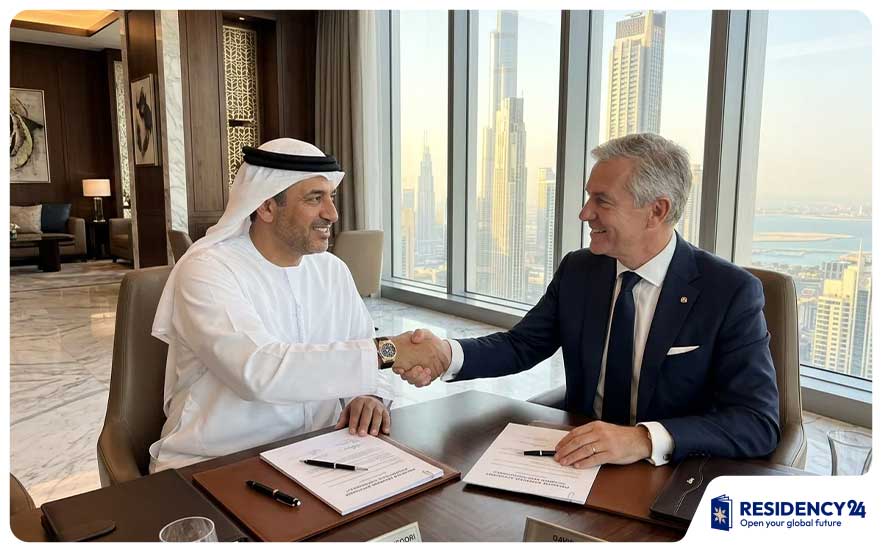
Opening a corporate bank account is often one of the most important stages after LLC formation. UAE banks usually review the business model, shareholders, activity, expected turnover, source of funds, client profile, supplier countries, and office presence.
Banks may request:
Trade license
MOA
Shareholder passport copies
Emirates ID and residence visa, if available
Office lease or facility agreement
Company profile
Business plan
Supplier contracts
Customer contracts
Invoices or purchase orders
Website or product catalogue
Expected transaction volume
Source of funds explanation
Ultimate beneficial owner details
Banking is not automatic after license issuance. A company with a clear business model, proper documents, and reasonable substance usually has a stronger application.
Visas Through a UAE LLC
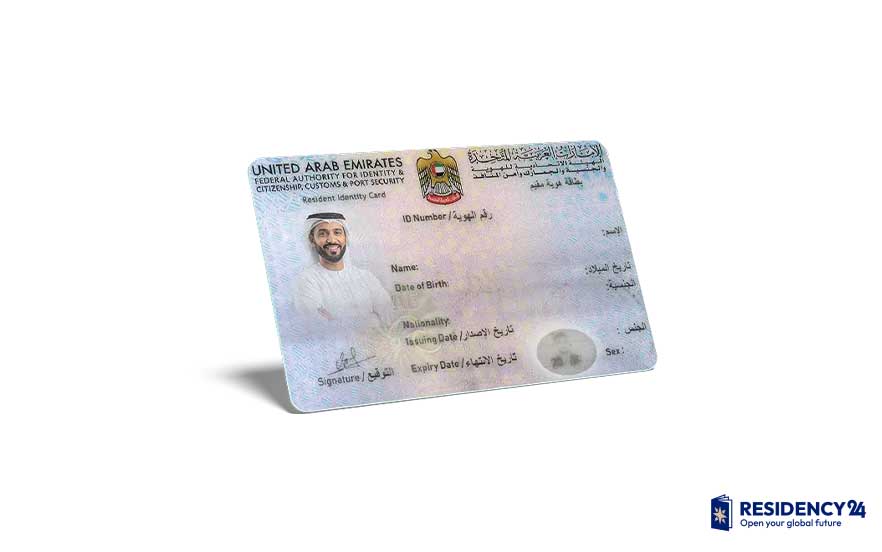
A UAE LLC can usually support residence visas for owners and employees, subject to the jurisdiction, office size, visa quota, activity, and immigration rules. The number of visas available depends on the company's setup and facility.
The usual visa process may include:
Establishment card
Immigration file
Entry permit
Status change, if applicable
Medical fitness test
Emirates ID application
Health insurance
Residence visa issuance
Owners often apply for investor or partner visas. Employees apply under the company's sponsorship. Family sponsorship can be possible after the resident meets salary, accommodation, and other requirements. The differences between the categories an owner can hold are compared in Investor vs Partner vs Freelance Visa UAE.
Visa planning should be done before choosing the office package. A low-cost setup with too few visas can become restrictive if the company plans to hire.
VAT and Corporate Tax for UAE LLCs
A UAE LLC may need to register for VAT if its taxable supplies and imports exceed the mandatory registration threshold. The UAE Ministry of Finance states that VAT was introduced at a standard rate of 5%.
Corporate Tax also applies to UAE businesses. The UAE government states that Corporate Tax is 0% on taxable income up to AED 375,000 and 9% on taxable income above AED 375,000.
LLC owners should plan for:
Corporate Tax registration
VAT registration, if applicable
Accounting records
Invoicing rules
Expense documentation
Bank statement reconciliation
Annual financial statements
Transfer pricing, where relevant
Free zone qualifying income rules, if applicable
Payroll and employee records
Tax compliance should start from the first invoice. Waiting until renewal or year-end can create unnecessary risk.
Accounting and Compliance After Formation
LLC company formation is only the beginning. A company must remain compliant after the license is issued. This includes renewals, accounting, tax filings, visa renewals, labor requirements, office lease validity, and activity compliance.
Ongoing obligations may include:
License renewal
Lease renewal
Establishment card renewal
Visa renewals
Corporate Tax filing
VAT filing, if registered
Accounting records
Ultimate beneficial owner records
Economic substance checks, where relevant
External approval renewals
Employee contracts
Wages Protection System compliance, where applicable
Customs registration renewal, if importing or exporting
A UAE LLC that ignores compliance can face fines, bank restrictions, visa issues, and difficulty renewing its license.
LLC Company Formation for Trading Businesses
Trading businesses often choose an LLC because they need supplier contracts, invoices, warehousing, customs access, and UAE market credibility. For general trading, import-export, wholesale, or retail operations, mainland vs free zone selection becomes especially important. Companies that want the broadest product scope usually end up looking at a General Trading License in Dubai rather than a narrow activity list.
A trading LLC should check:
Product activity coverage
Customs registration
Import permissions
Warehouse needs
Product labeling requirements
Municipality approvals, if needed
VAT treatment
Supplier payment flows
Local distribution rights
Mainland sales restrictions for free zone entities
A broad trading activity may cost more than a specific trading activity. If the company trades only one product category, a narrower activity may be more efficient.
LLC Company Formation for Service Businesses
Service businesses may form an LLC for consulting, marketing, technology, management services, maintenance, design, recruitment, or other professional activities. These companies often need fewer physical assets than trading companies, but activity selection still matters.
A service LLC should review:
Whether the activity is professional or commercial
Whether special qualifications are required
Whether external approval is needed
Whether mainland clients will be served
Whether the company needs employees
Whether contracts require mainland licensing
Whether the business can operate from a flexi-desk or needs an office
For service companies, banking and client contracts often depend on clear activity wording. The license should match the services that will actually be sold.
LLC Company Formation for Ecommerce
Ecommerce LLC formation in the UAE depends on where products are sold, where inventory is stored, and how delivery is handled. A free zone company may work for international ecommerce or platform-based trading, while a mainland company may be better for direct UAE consumer sales.
An ecommerce LLC should check:
Online trading activity
Marketplace requirements
Payment gateway requirements
Mainland sales rules
Warehouse or fulfillment location
Customs handling
VAT registration
Consumer protection requirements
Product compliance
Return and refund policies
Ecommerce businesses often underestimate logistics and payment gateways. Licensing should be aligned with warehouse, delivery, and payment setup from the start.
LLC Company Formation for Consultants and Professionals
Consultants may not always need a mainland LLC. Some can use a professional license, freelancer permit, or free zone company depending on the activity and client base. However, an LLC may still be useful when the consultant wants a more formal structure, multiple shareholders, employees, or broader service activities.
An LLC may be better for consultants who:
Work with corporate clients
Need multiple shareholders
Want to hire employees
Need office space
Provide several service lines
Want stronger banking credibility
Plan to expand into contracting or implementation
Need a structure for long-term growth
A freelancer permit may be enough for a solo professional with limited activity. An LLC is usually more suitable when the business is expected to scale.
Mainland LLC Advantages
A mainland LLC gives the company stronger local operating flexibility. It is usually the better choice for businesses that will interact directly with UAE customers, government entities, local suppliers, retail buyers, or companies that require mainland licensing.
Mainland LLC advantages include:
Direct access to UAE market
Wider business location options
Ability to lease mainland offices or shops
Suitable for retail and local services
Better fit for many regulated activities
Stronger local client acceptance
Potential government contract access, where applicable
Easier local distribution model
Flexibility across emirates, subject to rules
Mainland can be more practical for revenue generation if the company's customers are inside the UAE.
Mainland LLC Disadvantages
Mainland LLC formation can involve more paperwork, higher facility requirements, and more approvals than some free zone packages. It may also require physical office space depending on the activity and emirate.
Possible disadvantages include:
Higher setup cost in some cases
Office lease requirements
External approvals for certain activities
More government touchpoints
Activity restrictions in regulated sectors
Renewal and compliance obligations
Possible need for local partner or agent in limited cases
More complex amendments if shareholders change
Mainland is not always more expensive, but it is often more operationally involved.
Free Zone LLC Advantages

A free zone LLC can be attractive for foreign investors because many free zones offer packaged setup, simplified office options, and clear foreign ownership. It can be suitable for companies that do not need direct UAE mainland access.
Free zone LLC advantages include:
100% foreign ownership in many cases
Setup packages
Flexi-desk and shared office options
Good for international business
Free zone business ecosystem
Sector-specific clusters
Warehousing options in some free zones
Easier start for small teams
Potential tax benefits if qualifying conditions are met
A free zone LLC is often practical for startups, consultants, ecommerce businesses, trading companies, and international service providers.
Free Zone LLC Disadvantages
A free zone LLC may have restrictions when selling directly into the UAE mainland. It may also have limits on where it can lease premises, how many visas it can obtain, and which activities it can conduct.
Possible disadvantages include:
Mainland trading restrictions
Limited office location to the free zone
Visa quota tied to facility type
Different rules across free zones
Activity scope may be narrower than expected
Some clients may prefer mainland suppliers
Additional distributor or branch structure may be needed
Renewal costs vary significantly
A free zone should not be chosen only because the license is cheaper. It must fit the company's customer base, revenue model, and operations.
Common Mistakes in UAE LLC Formation
Many business owners make formation decisions too quickly. The cheapest structure can become expensive if it blocks sales, banking, visas, or compliance later.
Common mistakes include:
Choosing free zone without checking mainland sales rules
Selecting the wrong business activity
Ignoring external approvals
Underestimating bank account requirements
Choosing too few visas
Not reviewing the MOA carefully
Assuming 100% foreign ownership applies to every activity
Not budgeting for renewal costs
Ignoring VAT and Corporate Tax obligations
Using a license that does not match invoices
Renting an office in the wrong location
Not planning customs registration for trading
Delaying accounting until tax deadlines
A proper setup should be based on the first two years of business operations, not only the first month of registration.
Checklist Before Forming an LLC in the UAE
Before starting the application, business owners should clarify the commercial model. This reduces the risk of choosing the wrong jurisdiction or activity.
Use this checklist:
What will the company sell?
Who are the customers?
Will the company sell inside the UAE?
Does the company need mainland access?
Are products imported or exported?
Is a warehouse required?
How many visas are needed?
Are there multiple shareholders?
Does the activity need external approval?
Is 100% foreign ownership available?
What is the total first-year cost?
What is the annual renewal cost?
Will banks understand the business model?
Is VAT registration likely?
Is Corporate Tax registration required?
Will the company need employees?
Is the office location practical?
What happens if the company expands?
The best LLC structure is the one that supports real operations without unnecessary restrictions.
Conclusion
LLC company formation in the UAE is a practical route for investors who want a recognized legal structure for trading, services, consulting, ecommerce, local operations, or international business. A mainland LLC is usually better for direct UAE market access, local contracts, retail, and regulated activities, while a free zone LLC can be more suitable for international services, import-export, startups, and businesses that operate mainly from a free zone. Many LLC activities now allow full foreign ownership, but investors still need to confirm activity rules, approvals, visa needs, office requirements, banking, VAT, Corporate Tax, and renewal costs. The strongest setup decision is based on the business model, not only the lowest license package. A UAE LLC should be formed with the right activity, jurisdiction, ownership structure, and compliance plan from the beginning.
Frequently Asked Questions
Can a foreigner open an LLC in the UAE?
Yes. Foreigners can open LLC companies in the UAE, and many activities allow full foreign ownership. The selected activity and jurisdiction should still be checked before registration.
Is a mainland LLC better than a free zone LLC?
A mainland LLC is usually better for direct UAE market access. A free zone LLC is often better for international business, consulting, ecommerce, or companies that do not need unrestricted mainland sales.
How long does LLC formation take in the UAE?
A simple LLC can be formed quickly if documents are ready and no external approvals are needed. Regulated activities, corporate shareholders, and bank account preparation can take longer.
Does an LLC need an office in the UAE?
Usually yes, but the type of office depends on the jurisdiction and activity. Some free zones allow flexi-desks, while mainland companies may need a physical office or registered lease.
Is Corporate Tax applicable to UAE LLCs?
Yes, UAE LLCs are generally within the Corporate Tax system. The standard rate is 0% on taxable income up to AED 375,000 and 9% on taxable income above that threshold.