 Anahita Attarian
Buying property in Turkey can help a foreigner apply for a short-term residence permit, but it does not automatically give residency. The property must meet the current residence-permit requirements, the applicant must submit the correct documents, and the provincial migration authority must approve the application. The most important distinction is between property-based residence and Turkish citizenship by investment. A qualifying home can support a residence permit application, while Turkish citizenship through real estate normally requires a higher investment threshold and a separate process. Buyers should check the property type, declared value, location, title deed, use of the home, and current immigration rules before purchasing for residency.
Does Buying Property in Turkey Give You Residency?
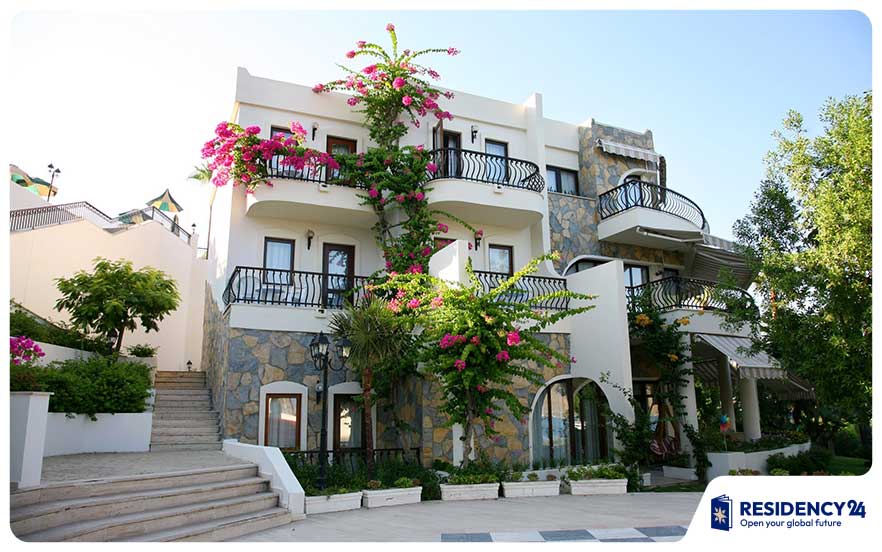
Yes, buying property in Turkey can make you eligible to apply for a short-term residence permit, but it does not grant residency automatically. The property must be residential, used by the foreigner for residence purposes, and meet the required property value for this permit category.
Turkey's official short-term residence permit document list states that applicants who own immovable property must submit proof that the residence belongs to them, and that the value of the house must be at least USD 200,000 equivalent in Turkish lira as of the date of acquisition. The same document also states that the property must be a residence and used by the foreigner for that purpose.
Property-Based Residence in Turkey: What It Means
Property-based residence in Turkey is a short-term residence permit route for foreigners who own residential property in Turkey. It is not the same as a tourist residence permit, work permit, student residence permit, or citizenship application.
This route is mainly for people who want to live in Turkey because they own a home there. It can be relevant for retirees, families, remote workers, investors who want to use the property personally, and buyers who want a legal basis to stay beyond their visa or visa-free period.
A property-based residence permit usually depends on:
The property being a residence, not only land or commercial property
The property being registered in the applicant's name
The property value meeting the required threshold
The address being suitable for residence registration
The applicant having valid health insurance
The applicant proving sufficient financial means
The applicant not creating public order or security concerns
The application being submitted through the official residence system
The permit is not a reward given at the title deed office. It is an immigration application made after or alongside the property ownership process.
Buying Property Does Not Automatically Grant Residence
A foreigner can buy property in Turkey without already holding a residence permit, but the purchase itself does not automatically create a residence right. The UK government's guidance on buying property in Turkey also notes that having a residence permit is not necessary to buy property, and that buying property does not grant permission to obtain a residence or work permit.
This point is important because some buyers confuse three separate steps:
Buying the property
Applying for a residence permit
Receiving approval from the migration authority
Only the third step gives the person legal residence. A title deed supports the application, but it does not replace the residence card.
Minimum Property Value for Turkey Residency
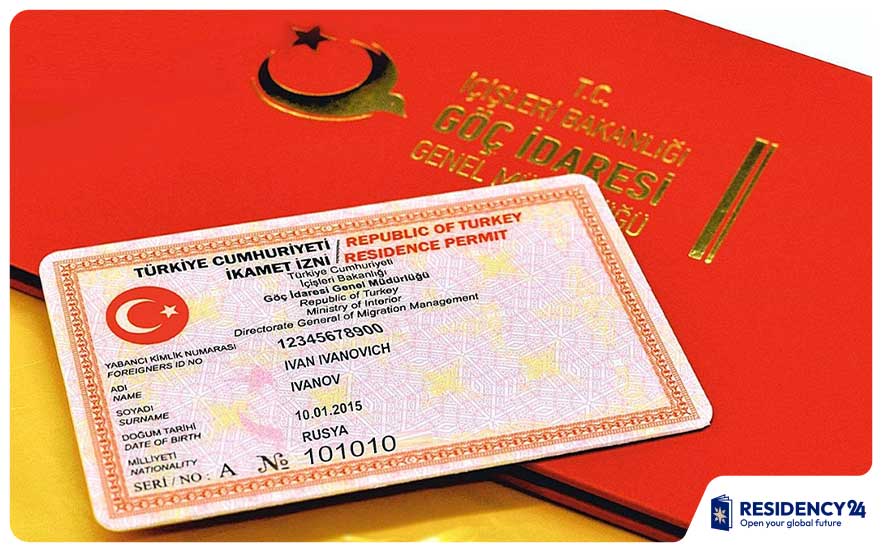
For property-based short-term residence applications, the current official document checklist refers to a minimum property value of USD 200,000 equivalent in Turkish lira as of the date of acquisition.
This requirement matters at the title deed stage because the value used for the application must support the residence claim. Buyers should not assume that a cheap apartment will qualify only because it is registered as a home.
Before buying, check:
The declared title deed value
The actual purchase price
Whether the value is acceptable for residence purposes
Whether a valuation report is needed in the specific case
Whether the property was acquired by purchase, inheritance, or donation
Whether the local migration office asks for additional proof
A property below the required value may still be legally owned by a foreigner, but it may not support a property-based residence application.
The Property Must Be Residential
For Turkish property residency, the property must be a residence. A commercial shop, office, warehouse, agricultural land, or empty plot is not usually enough for this specific residence permit category.
The official Migration Management guidance states that if foreigners who own immovable property request a residence permit, the immovable property must be a house and used for this purpose.
This means the property should be suitable for living. The address should be usable for registration, and the buyer should be able to show that the property is their place of residence.
A suitable property is usually:
An apartment
A house
A villa
A residential unit with a valid title deed
A property that can be used as the applicant's registered address
A property bought only for rental income may not fit this route if the applicant does not use it as their residence.
Can You Rent Out the Property and Still Use It for Residency?
For the property-based residence category, the official document list states that the residence cannot be used for rent or similar income-generating purposes.
This is a practical issue for investors. If the main goal is rental income, a property-based residence permit may not match the buyer's real purpose of stay. The authorities may expect the applicant to live in the home, register the address, and use the property as their residence.
If the buyer wants to rent the property out and live elsewhere, they should check another legal residence route. These may include a work permit, family residence, student residence, business-related residence, or investment-related residence, depending on the case.
How Long Is the Residence Permit Valid?
Property-based residence normally falls under the short-term residence permit category. Turkey's Migration Management guidance states that short-term residence permits, except for certain investment and Turkish Republic of Northern Cyprus categories, can be issued for a maximum of two years each time.
This does not mean every applicant receives two years. The actual duration depends on the application, passport validity, health insurance period, documents, local evaluation, and the authority's decision.
A permit may be issued for:
Six months
One year
Two years
A shorter period if documents or passport validity limit the stay
Renewal is possible if the applicant still meets the requirements. Owning the property is not enough if other conditions are missing at renewal.
Does Property Residency Lead to Turkish Citizenship?
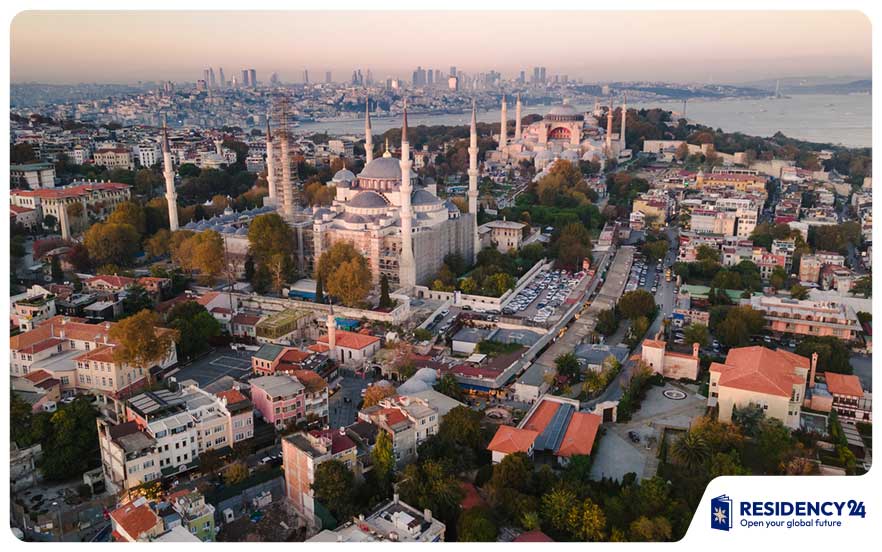
Property residency and Turkish citizenship are different. Buying a qualifying home for residence does not automatically lead to citizenship.
For Turkish citizenship by investment through real estate, the threshold is higher. Official investment guidance states that foreigners may acquire Turkish citizenship through the exceptional procedure by purchasing real estate worth at least USD 400,000 or equivalent, with a title deed restriction on resale for at least three years.
The difference is simple:
Route | Main Purpose | Property Threshold | Main Result |
|---|---|---|---|
Property-based residence permit | Living in Turkey as a property owner | At least USD 200,000 equivalent for the residence route | Short-term residence permit |
Citizenship by property investment | Applying for Turkish citizenship through investment | At least USD 400,000 equivalent | Citizenship application route |
Buying ordinary property below threshold | Ownership or investment | No automatic residence benefit | May not support property-based residence |
A USD 200,000 property may support a residence permit application, but it does not meet the standard real estate threshold for Turkish citizenship by investment.
Investors who are choosing between countries rather than between permits often put this route next to the UAE Golden Visa 2026 rules, where the property threshold and the length of the permit granted work differently.
Turkey Residency vs Turkey Citizenship by Property
Residency allows a foreigner to live legally in Turkey for a defined period. Citizenship gives nationality rights after a separate approval process. The two should not be treated as the same outcome.
Property-Based Residence
Property-based residence is usually suitable for buyers who want to:
Live in Turkey temporarily or semi-permanently
Use their own home as their address
Renew residence while they continue meeting conditions
Avoid relying only on tourist stay rules
Keep foreign citizenship while living in Turkey
Citizenship by Real Estate Investment
Citizenship by investment is usually suitable for buyers who:
Can invest at least USD 400,000 in qualifying property
Are willing to place a no-sale restriction for three years
Want Turkish citizenship rather than only residence
Can complete valuation, title deed, payment, and approval steps
Understand that citizenship approval is a separate process
Residency is an immigration status. Citizenship is a nationality outcome. A buyer should decide which goal matters before choosing a property.
Who Can Apply for Property-Based Residence in Turkey?
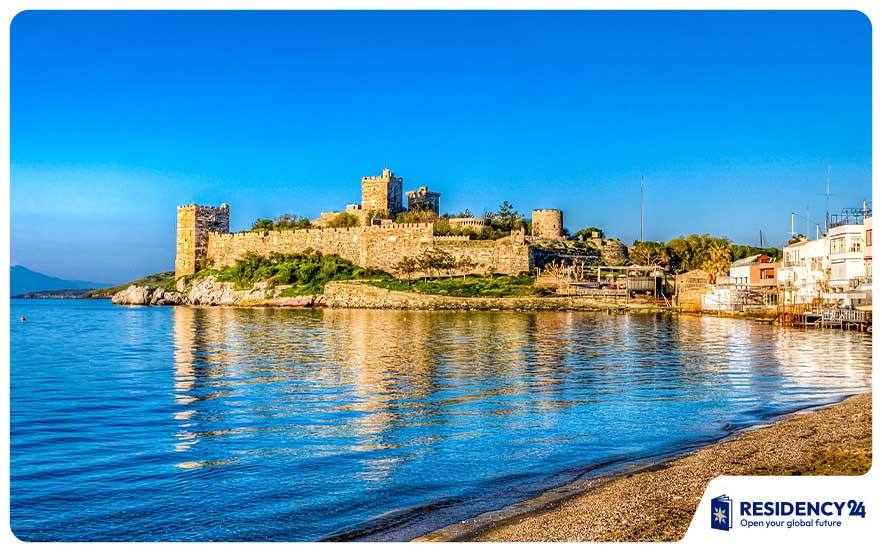
A foreigner who owns a qualifying residential property in Turkey may apply for property-based short-term residence if they meet the general conditions. Family members may also be relevant in certain ownership situations.
The official residence permit guidance states that if family members have shared or joint ownership rights over the residential property, they may apply under this scope, and family members include the spouse, minor child, and dependent adult child.
This wording matters. If only one person is listed on the title deed, family members may not automatically qualify under the same property-ownership category unless they meet the relevant ownership or family residence rules.
Applicants should check:
Whose name is on the title deed
Whether the spouse should also be a co-owner
Whether children need separate residence applications
Whether family residence is a better route
Whether ownership shares are properly registered
Whether family documents need translation or apostille
For families, the title deed structure should be planned before purchase, not after the residence appointment.
Required Documents for Property-Based Residence
The exact document list can change and provincial offices may request additional documents, but the core file usually includes identity, property, insurance, financial, and address documents.
Common documents include:
Residence permit application form
Passport copy
Visa page or entry stamp, if applicable
Biometric photos
Proof of residence permit fee and document fee payment
Valid health insurance
Proof of sufficient and regular financial means
Address registration or address document
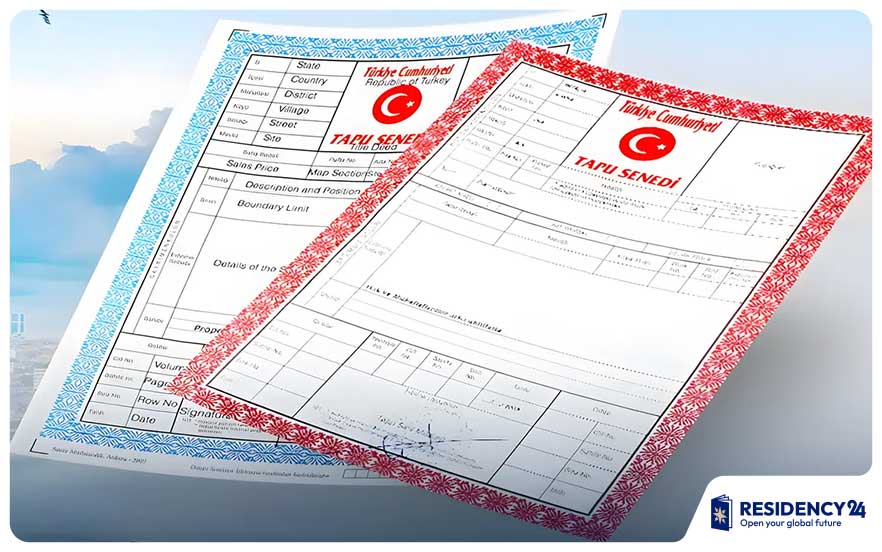
Title deed copy
Numbering document from the municipality for first applications
Title deed continuation certificate for extension applications
Family relationship documents, if family members apply
Valuation report in inheritance or donation cases, where required
The official document list also notes that additional information or documents may be requested by Provincial Directorates of Migration Management during evaluation.
A complete file reduces delay risk, but it does not guarantee approval.
Application Process After Buying Property
The property-based residence process usually starts after the buyer has a title deed or the required ownership proof. The application is submitted through Turkey's official e-residence system, followed by an appointment or document submission process depending on the province and application type.
A practical process looks like this:
Choose a property that can support the residence goal.
Check foreign ownership eligibility.
Complete title deed transfer.
Prepare health insurance.
Collect financial proof.
Obtain address and property documents.
Submit the residence permit application online.
Pay the required fees.
Attend the appointment or submit documents as required.
Wait for the authority's decision.
Receive the residence card if approved.
Register or update address details after approval if required.
Turkey's official e-residence document guidance states that residence permit appointments are made free of charge through the official website and that third parties demanding appointment fees should not be trusted.
Can You Work in Turkey With Property Residency?
No, a property-based residence permit does not give the right to work in Turkey. The official short-term residence document list states clearly that a residence permit does not provide the right to work in Turkey.
If a foreigner wants to work for a Turkish employer, they normally need a work permit. If they want to run a business, invoice clients, hire staff, or operate commercially, they should check the correct business and work authorization route.
Property residency is mainly a stay permit. It should not be used as a substitute for employment authorization.
Can You Buy Property in Any Turkish City for Residency?
Foreigners can buy property in many parts of Turkey, but there are legal and administrative limits. Some locations may be restricted for foreign ownership, military/security reasons, or residence registration purposes. Some neighborhoods have also been closed to new foreign residence registrations because of foreign population density.
Turkey's Migration Management has published announcements on neighborhood closures in the past, including residence-related restrictions in certain neighborhoods.
Before buying for residency, check:
Whether foreigners can buy in that area
Whether the neighborhood is open for residence registration
Whether the title deed is clean
Whether the property is residential
Whether the address can be registered
Whether the declared value meets the rule
Whether local migration practice has additional expectations
A property can be attractive and legally transferable but still create problems if the address cannot support a new residence application.
Best Property Types for Residency in Turkey
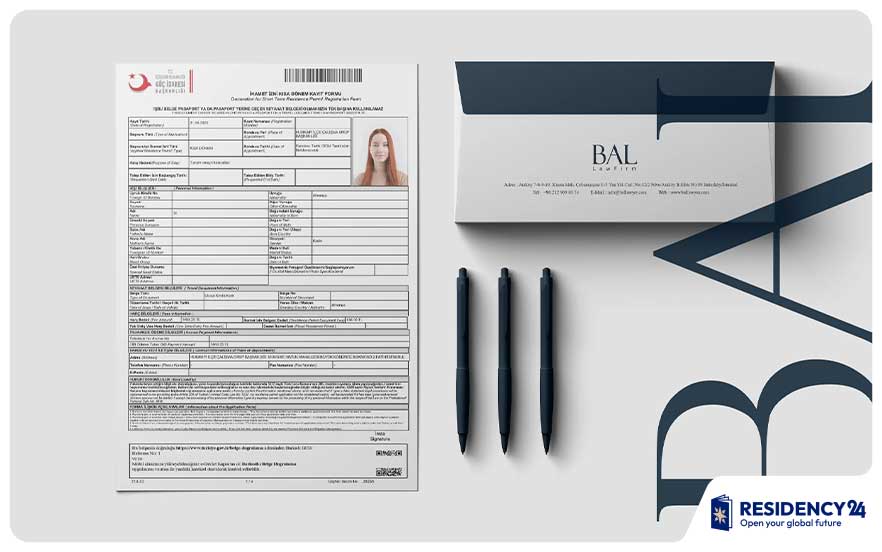
For residence purposes, practical residential property is usually better than speculative property. The home should be easy to register, easy to live in, and clearly documented. Buyers whose main reason to buy property in Turkey is the residence permit should read the shortlist below as an immigration filter, not only as an investment filter.
Good options usually include:
Ready apartments with a clean title deed
Residential units in established neighborhoods
Homes with clear address registration
Properties above the required value threshold
Homes suitable for the applicant's family size
Properties with no unresolved title or debt issues
Homes in areas open to foreign residence registration
Riskier options include:
Cheap properties below the threshold
Commercial units marketed as investment property
Land without a residential home
Properties in closed neighborhoods
Units with unclear title status
Informal or under-declared transactions
Homes bought only for rental income while the buyer lives elsewhere
For residence purposes, legal suitability is more important than advertised rental return.
Due Diligence Before Buying Property for Residency
A buyer should treat the property purchase and residence goal as one combined process. If the property fails immigration checks, the buyer may still own the asset but not get the expected stay right.
Before paying a deposit, check:
The property is residential.
The title deed is valid.
The seller is the registered owner.
The declared value supports the residence threshold.
The address is suitable for registration.
The neighborhood is not closed to new foreign residence applications.
The property is not under mortgage, seizure, or legal dispute.
The buyer's nationality is not restricted for that location.
The home can be used by the buyer, not only rented out.
The buyer can obtain health insurance.
The buyer can prove sufficient financial means.
Family members are included correctly in ownership or application planning.
This is where many mistakes happen. Real estate agents may understand the property market, but not every agent understands residence-permit evaluation. Residency24 works across company formation, residence permits, property purchase, and investment planning, so the property file and the immigration file can be checked against each other before a deposit is paid.
Common Mistakes Buyers Make

Many foreign buyers assume that any Turkish property gives residence. This is not accurate. The application can fail if the property, documents, address, or applicant profile does not match the rules.
Common mistakes include:
Buying below the required value
Buying land or a commercial property instead of a residence
Using an address in a closed neighborhood
Under-declaring the sale value
Assuming citizenship and residence have the same threshold
Renting out the property while applying as a resident owner
Not adding family members to the title deed where needed
Ignoring health insurance requirements
Applying after visa-free stay expires
Using unofficial appointment services
Not checking local migration office practice
Assuming renewal is guaranteed
The safest approach is to confirm the residence strategy before signing the sale contract.
What Happens If the Application Is Rejected?
If a property-based residence application is rejected, the applicant does not lose ownership of the property. The issue is immigration status, not property ownership. However, the applicant may need to leave Turkey, appeal where possible, or apply under another suitable residence category.
Possible reasons for rejection include:
Property value below the required threshold
Property not used as a residence
Incomplete documents
Invalid health insurance
Insufficient financial means
Address problems
Closed neighborhood issues
Public order or security concerns
Wrong residence permit category
Misrepresentation or inconsistent information
A rejected application can create time pressure if the person's visa or visa-free stay has expired. Buyers should avoid waiting until the last moment.
Is Property-Based Residence Renewable?
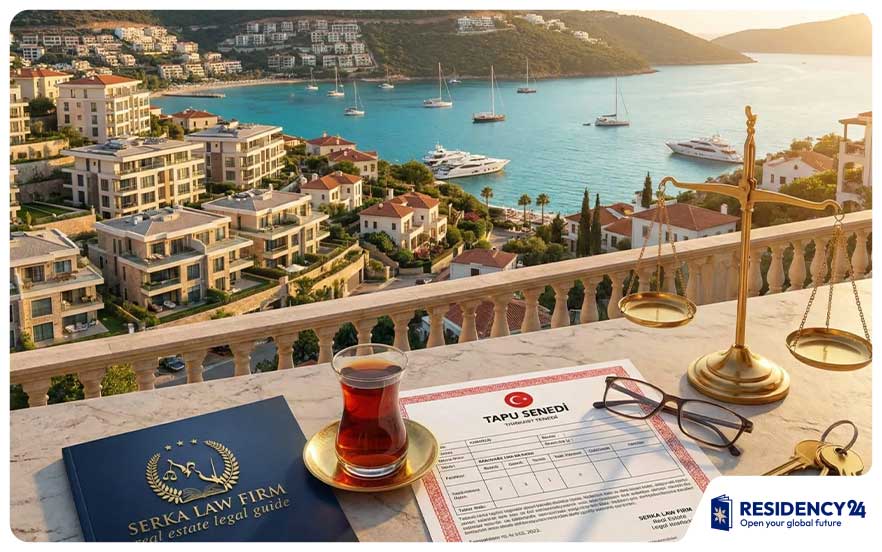
Property-based residence can generally be renewed if the applicant continues to meet the conditions. Renewal may require updated documents, valid insurance, proof of address, title deed continuation certificate, and financial proof.
Renewal is not automatic. The authority may review whether the property is still owned, whether the address is still valid, and whether the residence purpose is still genuine.
For renewal, keep:
Title deed documents
Address registration records
Utility bills, where useful
Health insurance
Financial proof
Residence card
Passport validity
Updated family documents, if needed
If the property is sold, the basis for the property-based residence permit may disappear. The applicant may need another residence category.
Does a Mortgage Affect Property Residency?
A mortgage does not always prevent residence, but it can complicate the file depending on ownership, paid amount, title status, and documents. The applicant must still prove ownership and meet the required conditions.
For citizenship by investment, mortgage and payment documentation are more sensitive because the property must meet the investment threshold and no-sale restriction requirements. For ordinary property residence, the main issue is whether the applicant has a qualifying residence in their name and can document the acquisition properly.
Buyers using financing should ask in advance:
Will the title deed be issued in the buyer's name?
Does the property value meet the threshold?
Are bank documents needed?
Is there any restriction on the title?
Will the mortgage affect a later citizenship plan?
Financing should be checked before the purchase, not during the residence application.
Buying Property for Residency vs Renting in Turkey
Buying property may be useful for foreigners who want a stronger long-term basis to live in Turkey. Renting may be better for people who are still testing the country, comparing cities, or unsure about staying. The trade-off is the same one covered in Renting vs. Buying in the UAE, except that in Turkey the decision also changes which residence permit category is available.
Option | Better For | Main Limitation |
|---|---|---|
Buying property | Long-term stay, address stability, ownership, possible residence basis | Higher capital requirement and ownership risk |
Renting property | Short-term living, flexibility, testing cities | Weaker immigration basis in many cases |
Citizenship investment | Long-term nationality goal | Higher threshold and separate process |
Work permit | Employment in Turkey | Requires employer or eligible business structure |
Student residence | Education in Turkey | Tied to study status |
Buying should not be done only to solve a short-term visa problem. It is a real estate decision with legal, financial, and immigration consequences. The same warning applies in every regional market, and the Pros and Cons of Buying Property in Dubai follow a similar pattern: ownership costs and exit conditions decide the outcome more than the headline price.
Turkey Property Residency Checklist
Before buying property in Turkey for residency, use a practical checklist:
Confirm the latest property value threshold.
Check that the property is residential.
Confirm that the title deed can be transferred.
Verify that the location is open for residence registration.
Check whether foreigners can buy in that exact area.
Make sure the declared value is accurate.
Confirm whether family members need ownership shares.
Prepare health insurance.
Prepare financial proof.
Check passport validity.
Review tax and ownership costs.
Avoid unofficial residence appointment brokers.
Keep all payment and title deed documents.
Do not confuse residence with citizenship.
Get legal review before signing if residency is the main goal.
A property that fails one of these points may still be a property investment, but it may not solve the residence problem.
Conclusion
Buying property in Turkey can support a short-term residence permit application, but it does not automatically give residency. The property should be residential, used by the applicant as a residence, properly registered, located in an eligible area, and valued at least USD 200,000 equivalent for the property-based residence route. The applicant must still submit a residence permit application, provide health insurance, prove financial means, show address documents, and meet general immigration conditions. Turkish citizenship by property investment is a separate route and normally requires at least USD 400,000 in qualifying real estate with a three-year no-sale restriction. Buyers should confirm the residence rules before purchasing, because owning the wrong property can leave them with an asset but no approved residence permit.