 Anahita Attarian
Sending money to the United Arab Emirates can be done through a bank transfer, exchange house, digital remittance provider, card-based transfer, or international payment platform. The best method depends on the sender’s country, transfer amount, currency, urgency, recipient account type, fees, exchange rate, and purpose of payment. For most personal transfers, a regulated remittance provider or exchange house can be faster and cheaper than a traditional bank. For larger transfers, property payments, business payments, or documented investment transfers, a bank-to-bank SWIFT transfer may be safer and easier to document.
What Is the Best Way to Send Money to the United Arab Emirates?
The best way to send money to the United Arab Emirates is usually the method that gives the recipient the highest final amount after fees and exchange rate margin, while also meeting compliance requirements. For small personal transfers, digital remittance services and licensed exchange houses are often practical. For larger or formal payments, bank transfers are usually more suitable because they create a clearer transaction record.
The UAE Central Bank supervises licensed financial institutions, including exchange houses, and its guidance for licensed exchange houses covers their obligations under the UAE’s anti-money laundering and counter-terrorist financing framework. This matters because users should avoid unlicensed channels, informal brokers, or cash-routing arrangements that cannot provide proper receipts.
Main Ways to Send Money to the UAE
There are several common ways to transfer money to the UAE. Each one has different strengths, limits, fees, and documentation requirements.
The main options are:
Bank-to-bank SWIFT transfer
Licensed exchange house
Digital remittance app
International money transfer provider
Card-to-bank transfer
Cash pickup, where available
Business payment platform
Internal transfer between accounts at the same banking group
For most users, the choice comes down to cost, speed, and trust. A low transfer fee does not always mean the transfer is cheap if the exchange rate is weak.
Bank Transfer to the UAE
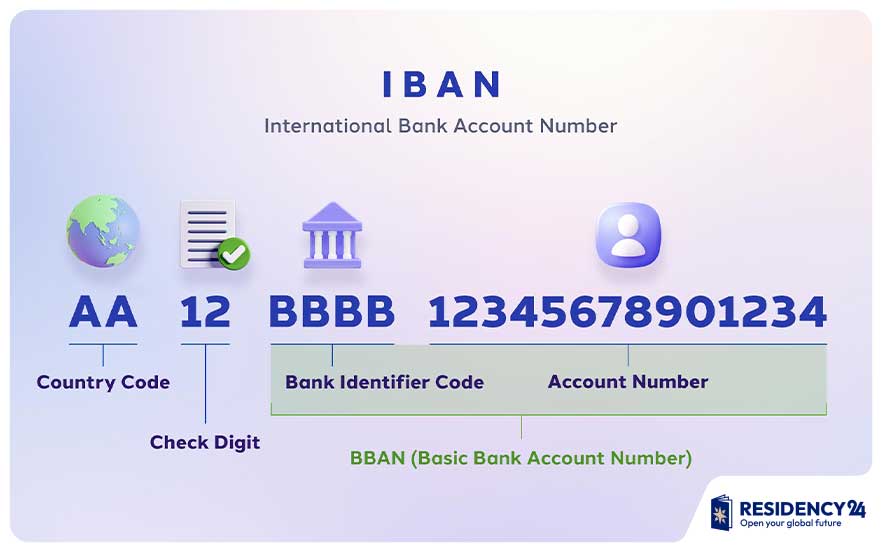
A bank transfer is one of the most common ways to send money to a UAE bank account. The sender usually needs the recipient’s full name, bank name, IBAN, SWIFT or BIC code, account number if requested, address details, and payment purpose.
Bank transfers are suitable for:
Salary payments
Business invoices
Property payments
Family support
University fees
Investment transfers
Large personal transfers
Corporate payments
The main advantage is documentation. Banks provide transaction records, payment confirmations, and compliance trails. The main disadvantage is that bank transfers may involve higher fees, correspondent bank charges, and less favorable exchange rates compared with some specialist providers.
SWIFT Transfers to the UAE
A SWIFT transfer is an international bank transfer sent through the global banking messaging network. It is commonly used for payments from Europe, the UK, the US, Canada, Australia, India, and other countries to UAE bank accounts.
A SWIFT transfer may require:
Recipient full legal name
UAE bank name
UAE bank SWIFT or BIC code
UAE IBAN
Recipient address
Sender details
Purpose of payment
Supporting documents for large payments
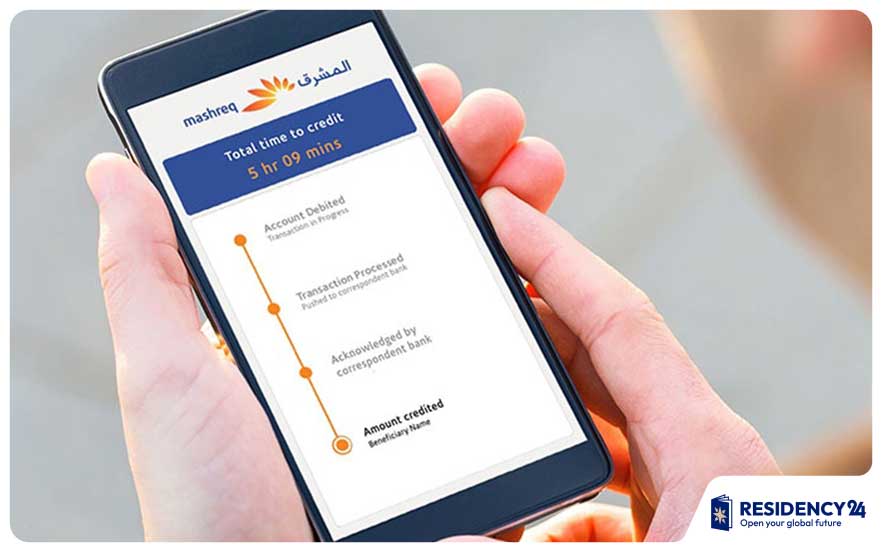
SWIFT transfers are often used for high-value payments because they are bank-documented. However, they may pass through intermediary banks, which can add fees or delay settlement. Some UAE banks promote SWIFT transfers in multiple currencies through their mobile banking platforms, with fees and timing depending on the bank and corridor.
Exchange Houses in the UAE
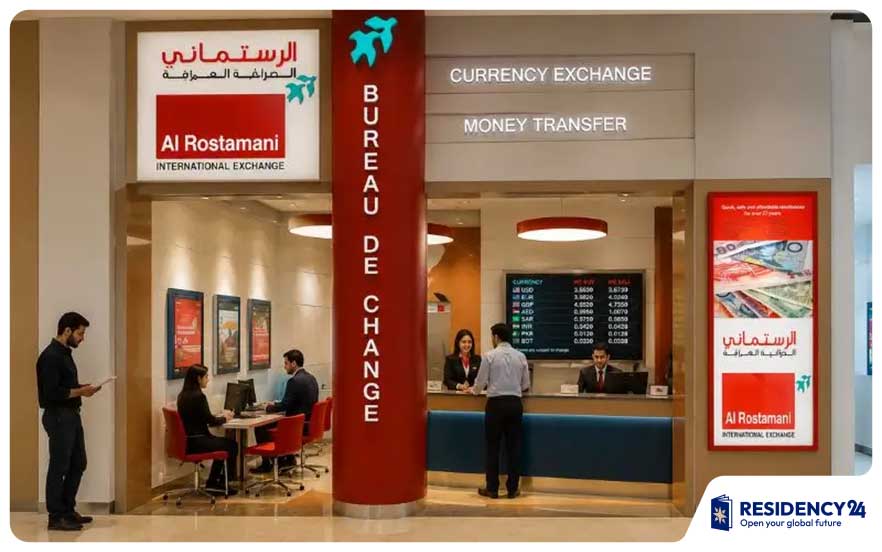
Exchange houses are widely used in the UAE for remittances, currency exchange, and international transfers. They are especially common for personal transfers, salary remittances, family support, and lower-value payments.
A licensed exchange house can be useful because it may offer:
Competitive exchange rates
Fast processing
Cash or bank payout options
Branch-based service
Digital remittance apps
Transfer tracking
Multiple destination corridors
Clear receipts
The UAE Central Bank’s exchange house guidance is designed to help licensed exchange houses meet their legal and regulatory obligations. This is important for users because regulated providers are expected to apply identity checks, transaction monitoring, and compliance controls.
Digital Remittance Apps
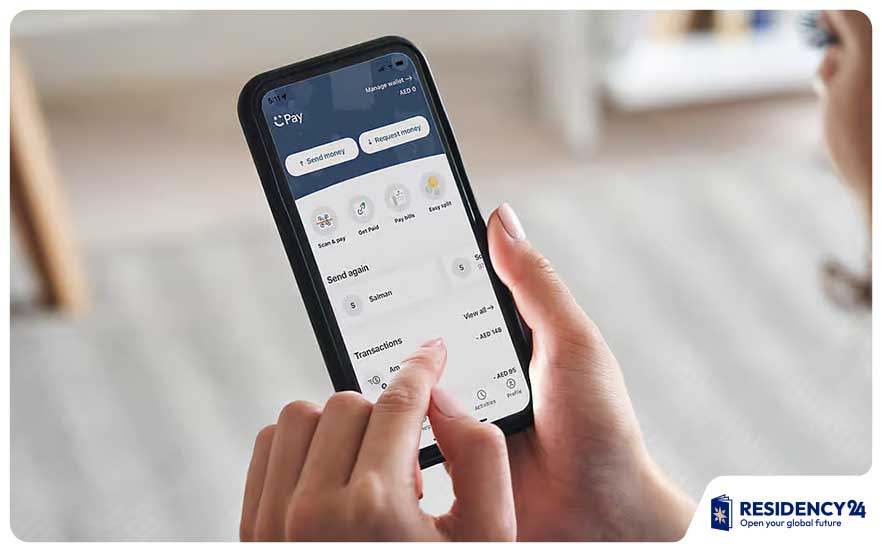
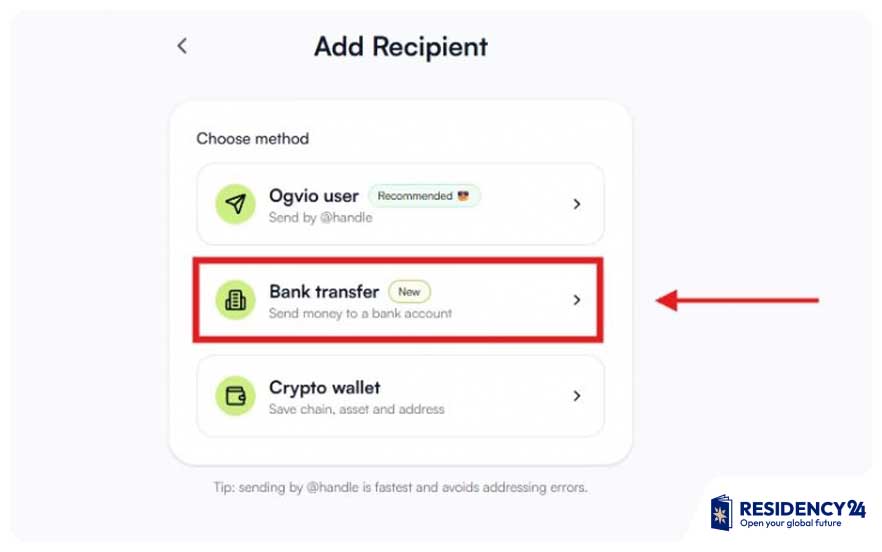
Digital remittance apps can be convenient for sending money to the UAE because users can compare rates, transfer from a bank card or account, and track the payment online. They are often useful for smaller and medium-sized transfers where speed and cost matter.
Digital apps may be suitable for:
Family transfers
Rent support
Student expenses
Personal savings transfers
Small supplier payments
Recurring monthly transfers
Before using an app, check whether it is regulated in the sender’s country and whether the UAE recipient can receive the funds in the intended account or payout method. A well-designed app is not enough. The provider should have proper licensing, transparent fees, and clear customer support.
Bank Transfer vs Money Transfer Provider
A bank transfer is usually better for large, formal, or highly documented payments. A money transfer provider may be better for smaller personal transfers where the sender wants speed, better exchange rates, and lower visible fees.
Factor | Bank Transfer | Money Transfer Provider |
Best for | Large payments, business, property, formal transfers | Personal transfers, family support, smaller payments |
Speed | Same day to several business days | Minutes to several days |
Documentation | Strong | Varies by provider |
Exchange rate | Often less competitive | Often more competitive |
Fees | Can include sender, receiver, and intermediary fees | Usually clearer, but check rate margin |
Large transfer suitability | Stronger | Depends on provider limits |
Compliance checks | Strong | Strong for regulated providers |
The best comparison is the amount the recipient receives in AED after all fees and exchange rate differences.
Information Needed to Send Money to a UAE Bank Account
To send money to a bank account in the UAE, the sender usually needs accurate recipient and banking information. Errors can delay the payment or cause a return.
Common details include:
Recipient full name as shown on the bank account
Recipient UAE IBAN
Bank name
Bank branch, if requested
SWIFT or BIC code
Recipient address, if requested
Recipient mobile number, if requested
Payment purpose
Invoice, contract, or supporting document for business or large payments
The UAE uses IBANs for bank account transfers. The sender should not guess the bank code or rely on old account details. Even a small spelling mismatch can trigger manual review.
How Long Does It Take to Send Money to the UAE?
Money transfers to the UAE can take from minutes to several business days. The timeline depends on the method, sender country, currency, bank cut-off times, compliance checks, weekends, public holidays, and whether intermediary banks are involved.
Typical timing:
Digital remittance: minutes to 1 or 2 days
Exchange house transfer: minutes to several days
Bank SWIFT transfer: often 1 to 5 business days
Same-bank international transfer: sometimes faster
Large or reviewed transfer: longer if documents are requested
UAE weekends, sender-country holidays, and bank cut-off times can affect timing. A transfer sent late Friday in one country may not move like a normal business-day payment.
How Much Does It Cost to Send Money to the UAE?
The cost of sending money to the UAE includes more than the visible transfer fee. The exchange rate margin often matters more than the fee, especially for larger transfers.
Costs may include:
Sender transfer fee
Exchange rate margin
Intermediary bank fee
Receiving bank fee
Card funding fee
Cash payout fee
Same-day or urgent transfer fee
Cancellation or amendment fee
The Central Bank’s Consumer Protection Standards require licensed financial institutions to clearly display fee schedules in branches and on their websites, and to provide key information before financial products or services are provided. This supports the basic rule for users: compare the full cost before sending.
Exchange Rate Matters More Than the Fee
A transfer advertised as “zero fee” can still be expensive if the exchange rate is poor. Providers can make money through the spread between the market exchange rate and the rate offered to the customer.
Before sending, compare:
The provider’s AED exchange rate
The transfer fee
The amount the recipient will receive
Any receiving bank deductions
Transfer speed
Refund or cancellation rules
For example, a provider with a AED 20 fee but a strong exchange rate may be cheaper than a zero-fee provider with a weak exchange rate. Always compare the final AED amount, not the headline fee.
Sending Money to the UAE for Property Purchase
Property-related transfers to the UAE should usually be made through a documented bank transfer. This creates a clear payment trail for the buyer, developer, broker, bank, and land department process. For people making large international transfers, buying property in Dubai often requires documented bank payments, verified recipient details, and clear source of funds evidence.
For property transfers, the sender may need:
Sale and purchase agreement
Reservation form
Developer payment instructions
Escrow account details, where applicable
Buyer passport copy
Source of funds evidence
Bank transfer receipt
Payment purpose description
Large property transfers may trigger compliance checks from both the sending and receiving bank. The sender should avoid routing funds through third parties unless there is a documented legal reason. For buyers combining Dubai property purchase with residency or investment planning, Residency24 works in areas such as property purchase, UAE residency, company setup, and Dubai investment structuring.
Sending Money to the UAE for Business Payments
Business payments to the UAE should be supported by clear commercial documents. Banks and payment providers may ask for evidence if the transaction is large, unusual, or linked to a new business relationship. Entrepreneurs expanding into the UAE frequently arrange company formation in Dubai before transferring capital for operational expenses or commercial activities.
Useful documents include:
Commercial invoice
Contract or purchase order
Trade license of the UAE company
Tax invoice, where applicable
Shipping documents, if goods are involved
Customs documents, if import or export is involved
Email confirmation from the supplier
Bank account confirmation letter
The payment purpose should be accurate. A business invoice should not be described as a family transfer or personal gift. Incorrect payment descriptions can create compliance problems.
Sending Money to the UAE for Family or Personal Support
Family transfers are usually straightforward when the amount is reasonable and the relationship is clear. Many people send money to the UAE for rent, school fees, living expenses, medical costs, or general family support.
For recurring personal transfers, it is useful to keep:
Transfer receipts
Recipient details
Reason for transfer
School or rent invoices, if relevant
Proof of relationship, if large transfers are frequent
Small personal transfers may move quickly, but repeated high-value transfers can still be reviewed. The sender should use a regulated provider and avoid informal cash agents.
Sending Money to a UAE Non-Resident Account
Some non-residents hold UAE bank accounts for property, investment, or personal reasons. Transfers to these accounts may face additional review if the bank needs to verify source of funds or account purpose.
Banks may ask for:
Source of funds documents
Proof of relationship between sender and recipient
Property documents
Investment documents
Business ownership documents
Tax residency information
Explanation of incoming transfer purpose
Non-resident accounts often have more restrictions than resident accounts. A transfer may be delayed if the incoming amount does not match the account profile.
Sending Money From Europe to the UAE
Sending money from Europe to the UAE is usually done through SEPA-to-provider transfer, bank SWIFT transfer, card-funded remittance, or international money transfer apps. EUR-to-AED exchange rates and transfer fees can vary significantly.
European senders should compare:
EUR to AED exchange rate
Bank fee
Provider fee
Transfer speed
Intermediary bank charges
Whether the UAE recipient receives AED, USD, or EUR
Compliance documents for large transfers
For larger amounts, a bank may ask about the source of funds, especially if the transfer relates to property, investment, or business activity.
Sending Money From the UK to the UAE
UK-to-UAE transfers are common for property buyers, expatriates, families, and business owners. Senders can use UK banks, foreign exchange brokers, digital remittance services, or international payment providers.
The main comparison should be GBP-to-AED exchange rate and final AED amount received. UK banks may be convenient, but specialist FX providers may offer better rates for larger payments. For property or business payments, the sender should keep clear documents and avoid using personal transfer descriptions for commercial transactions.
Sending Money From India to the UAE
India-to-UAE money transfers are frequent because of the large Indian community and business relationship between the two countries. Transfers may be sent through banks, exchange houses, digital remittance providers, or regulated money transfer services.
Senders should check:
INR-to-AED rate
Transfer purpose rules
Indian bank charges
UAE receiving bank charges
Processing time
Required documents
Transfer limits
Tax and reporting considerations in India
The best route depends on whether the transfer is for family support, education, investment, property, or business. Larger transfers may require more documentation under Indian and UAE compliance rules.
Sending Money From the US to the UAE
US-to-UAE transfers are usually sent through bank wires, international payment platforms, foreign exchange providers, or remittance apps. USD is widely used in international transfers to the UAE, and many UAE banks support USD accounts, but the recipient may still prefer AED depending on the payment purpose.
US senders should check:
Wire fee
Correspondent bank charges
USD-to-AED rate, if converting
Recipient bank fee
Transfer purpose
OFAC and compliance screening
Required documents for large transfers
For business or investment transfers, the sender should keep invoices, contracts, and source of funds evidence. US taxpayers should also consider any reporting obligations connected to foreign accounts or investments.
Transfer Limits
Transfer limits depend on the provider, sender country, account type, identity verification level, payment method, and compliance profile. A digital app may allow small transfers quickly but require extra verification for higher amounts. A bank may allow larger transfers but ask for documents.
Limits may apply to:
Daily transfer amount
Monthly transfer amount
Single transaction amount
Card-funded transfer amount
Cash payout amount
New customer limit
Online banking limit
High-risk country corridor
If the transfer is large, it is better to contact the bank or provider before sending. Splitting a large transfer into many smaller transfers to avoid review is not recommended and may create more compliance concern.
Compliance Checks and Source of Funds
Money transfers to the UAE may be reviewed for anti-money laundering, sanctions, fraud, and source of funds. This is normal in regulated banking systems.
Common source of funds documents include:
Salary slips
Bank statements
Tax returns
Sale agreement
Property sale documents
Company financial statements
Dividend statement
Inheritance documents
Investment portfolio statement
Loan agreement
Business invoice
A clear transfer purpose helps prevent delays. Vague descriptions such as “miscellaneous” or “personal” may be less useful for large payments.
How to Avoid Transfer Delays
Most delays come from incorrect recipient details, missing documents, compliance review, or intermediary bank routing. Some delays can be prevented before sending.
Practical steps:
Confirm the recipient’s IBAN directly with them.
Use the exact account name.
Check the SWIFT or BIC code.
Choose the correct payment purpose.
Keep invoices or contracts ready.
Send during bank working hours where possible.
Avoid third-party accounts unless documented.
Use licensed providers only.
Compare final AED amount before confirming.
Keep the transfer receipt.
For property, business, and investment transfers, senders should also confirm whether the recipient needs a reference number on the payment.
Common Mistakes When Sending Money to the UAE
Many transfer problems are preventable. The most common mistakes are not technical; they come from poor comparison or weak documentation.
Avoid these mistakes:
Comparing only the transfer fee, not the exchange rate
Sending to the wrong IBAN
Using a nickname instead of the legal account name
Choosing the wrong payment purpose
Sending large funds without source documents
Using unlicensed brokers
Ignoring receiving bank fees
Sending property money to an individual instead of the approved account
Splitting transfers to avoid review
Not checking refund rules
Assuming instant transfers are always possible
Not keeping receipts
A money transfer should be treated as a financial transaction, not only an app action.
Safety Tips
Safety is especially important when sending large amounts to the UAE. Fraud, fake invoices, hacked email accounts, and impersonation scams can affect international payments.
Before sending money:
Verify bank details through a trusted channel.
Do not rely only on email payment instructions.
Call the recipient using a known number for large transfers.
Check that the provider is regulated.
Avoid pressure to send urgently.
Be cautious with changed bank details.
Keep all receipts and confirmations.
Never share OTPs, passwords, or banking login details.
Confirm property escrow or developer account details before payment.
For business payments, use official invoices and company bank accounts. For property payments, verify escrow or developer accounts with official documents.
How to Choose the Best Transfer Method
The best method depends on the amount, purpose, and urgency. Small personal transfers usually need low cost and speed. Large payments need documentation and reliability.
Use this simple guide:
For small family transfers: digital remittance app or licensed exchange house.
For salary or recurring support: regulated remittance provider with good rates.
For property purchase: bank transfer with full documentation.
For business invoice: bank transfer or business payment provider.
For urgent personal payment: instant remittance service, if available.
For large investment transfer: bank transfer with source of funds evidence.
For multi-currency needs: bank or FX provider with transparent rates.
The right provider should be licensed, transparent, reachable, and able to provide clear proof of payment.
Conclusion

Sending money to the United Arab Emirates is straightforward when the sender chooses a regulated provider, enters accurate recipient details, compares the full cost, and keeps proper documentation. Banks are usually better for large, property, investment, and business payments because they provide stronger records and compliance trails. Exchange houses and digital remittance providers can be better for smaller personal transfers because they may offer faster service and better exchange rates. Before sending, compare the final AED amount the recipient will receive, check transfer limits, confirm the IBAN and SWIFT code, and prepare source of funds documents for larger or sensitive transactions. For some investors, transferring funds is one step in a broader relocation strategy that may include obtaining residency in Dubai through eligible investment or business activities.