A trade license in Dubai is the official permission a business needs before it can legally operate, invoice clients, open a corporate bank account, hire employees, or apply for residence visas through the company. The process starts by choosing the right business activity, deciding between mainland and free zone setup, selecting a legal structure, reserving a trade name, getting initial approval, arranging office or workspace requirements, and submitting documents to the relevant authority. For mainland businesses, the license is issued through Dubai’s Department of Economy and Tourism. For free zone companies, the license is issued by the chosen free zone authority. The most important step is choosing the correct activity because it affects cost, approvals, ownership, office requirements, banking, and future operations. This guide is based on practical information and real-world experience related to living in Dubai, while also drawing on the expertise of Residency24 in UAE residency, investment, and relocation.
What Is a Trade License in Dubai?
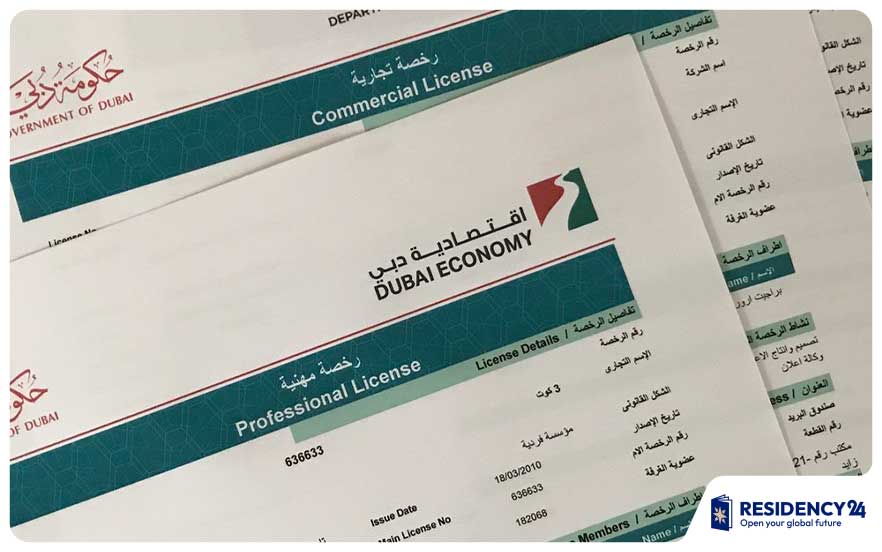
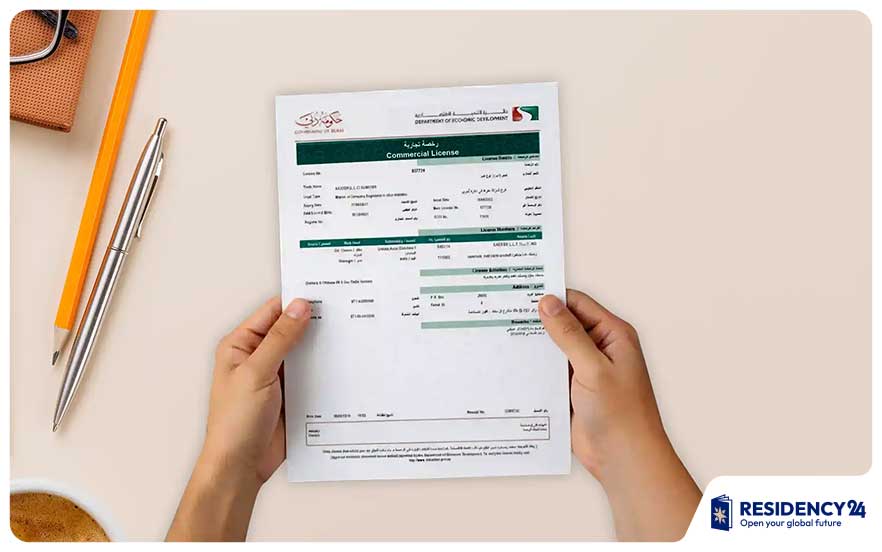
A Dubai trade license is an official document that allows a company to carry out approved business activities in Dubai. It defines what the business can legally do, where it can operate, and which authority regulates it.
Dubai’s Department of Economy and Tourism describes business licensing as the process for applying for mainland business licenses in Dubai, including license types, setup processes, and related services. A trade license is not just a registration certificate. It is the legal basis for commercial activity, company visas, bank account applications, contracts, and renewals.
Types of Trade Licenses in Dubai
Dubai has several license types, and the right one depends on the activity. Choosing the wrong license can create problems with banking, invoicing, inspections, and future expansion.
The main license types are:
Commercial license: For trading, buying, selling, import, export, e-commerce, and general commercial activities.
Professional license: For service providers, consultants, specialists, trainers, designers, agencies, and other professional activities.
Industrial license: For manufacturing, production, processing, and industrial activities.
Tourism license: For travel agencies, tour operators, tourism services, and hospitality-related activities.
Some activities also need special approvals. Healthcare, education, food, real estate, financial services, transport, security, construction, and tourism-related businesses may require approval from external authorities before the license is issued.
Mainland or Free Zone: Which License Should You Choose?

A mainland trade license is usually better if the company needs to operate directly in Dubai and the wider UAE market. It is suitable for shops, restaurants, clinics, contracting businesses, real estate services, local consulting, technical services, and companies that want to work with UAE-based clients without free zone restrictions.
A free zone trade license is often better for international business, consulting, software, digital services, e-commerce, media, and startups that do not need a mainland shopfront. Free zones often provide simple packages with license, workspace, and visa options.
The UAE Government separates the process for mainland and free zone company formation. Mainland setup includes steps such as identifying the business activity, choosing the legal form, registering the trade name, applying for initial approval, and obtaining the license. Free zone setup is handled by the relevant free zone authority, which has its own activity lists, packages, and office rules.
Step 1: Choose the Business Activity
The first step is choosing the exact business activity. This is not a general description of the business idea. It is the official activity that will appear on the license. Choosing the right business activity is the foundation of company formation in Dubai, as it determines the type of license, required approvals, and future business operations.
For example, “online business” is too broad. The actual activity may be e-commerce, portal activity, software development, marketing services, management consultancy, or trading of specific goods.
The activity affects:
License type
Approval process
Cost
Ownership structure
Office requirement
Visa eligibility
Banking review
Tax and compliance treatment
Whether external approval is required
A company should not choose a cheaper or broader activity just to reduce cost. If the activity does not match the real business, the company may face problems later.
Step 2: Choose the Legal Structure
The legal structure defines ownership, liability, management, and how the company is treated by licensing authorities. The right legal form depends on whether the company is owned by one person, several shareholders, a foreign company, or a professional service provider.
Common structures include:
Sole establishment
Limited liability company
Civil company
Branch of a foreign company
Branch of a UAE company
Free zone establishment
Free zone company
For many commercial activities, a limited liability company is common. For individual professional services, a sole establishment or civil company may be used. In free zones, the structure usually depends on whether the company has one shareholder or multiple shareholders.
Step 3: Reserve the Trade Name
The trade name is the legal name of the company. It must follow Dubai naming rules and should match the business activity, brand direction, and future plans.
A trade name should not include restricted words, offensive terms, religious references, or misleading descriptions. Some words may require additional approval. If the name includes a person’s name, the authority may apply specific rules on how it is written.
A strong trade name should be clear enough for licensing and banking. A name that sounds unrelated to the activity may create questions during bank account opening or client onboarding.
Step 4: Apply for Initial Approval
Initial approval means the licensing authority has no objection to the proposed company being formed. It is not the final license. It allows the applicant to continue with the remaining steps, such as preparing legal documents, arranging a lease, getting external approvals, and paying final fees.
For mainland companies, this step is part of the standard Dubai business formation journey. The UAE Government lists initial approval as one of the key steps before license issuance for mainland businesses.
Initial approval may require:
Passport copies of shareholders
Visa or entry stamp copies, if applicable
Emirates ID, if available
Proposed business activity
Trade name reservation
Legal form selection
Manager details
External approval, if required at this stage
Step 5: Prepare Legal Documents
After initial approval, the company may need legal documents based on its structure. For a mainland LLC, this commonly includes a memorandum of association. For a professional structure, a service agent contract may be required in some cases. For a branch, parent company documents may be needed.
Dubai’s trade license service description states that the service allows the customer to obtain an official approved document to legally conduct business in the emirate, and that the customer can issue a memorandum of association or service agent contract in the legal form specified in the preliminary approval.
Foreign corporate shareholders may need attested and translated documents. This can include a certificate of incorporation, board resolution, memorandum and articles of association, and certificate of good standing or incumbency.
Step 6: Arrange Office Space or Workspace
Most Dubai trade licenses require some form of address, workspace, office, or lease arrangement. The level of requirement depends on the jurisdiction and activity.
Mainland companies often need an office lease and Ejari registration. Free zone companies may offer flexi-desk, shared office, private office, warehouse, or dedicated workspace packages.
The office requirement matters because it can affect:
License approval
Visa quota
Renewal cost
Inspections
Banking
Client credibility
Activity compliance
A consultant may only need a small workspace. A restaurant, clinic, warehouse, manufacturing unit, or retail shop needs premises that match the activity and approval rules.
Step 7: Get External Approvals if Required
Some businesses cannot receive a final trade license until another government or regulatory body approves the activity. This is common in regulated sectors.
External approvals may apply to:
Healthcare
Education
Food and beverage
Tourism
Real estate
Construction
Engineering
Financial services
Transport
Security
Media
Legal services
Industrial production
External approvals can change the timeline and cost. A founder should check this early before signing a lease or committing to a brand launch.
Step 8: Submit the Final Application and Pay Fees
Once the activity, trade name, initial approval, legal documents, office arrangement, and external approvals are ready, the final license application can be submitted. The authority will review the file and issue payment instructions.
Final fees may include:
License issuance fee
Registration fee
Trade name fee
Initial approval fee
Memorandum or contract fee
Market fee, where applicable
Activity-specific fee
Knowledge and innovation fees
Free zone package fees, if applicable
After payment and approval, the trade license is issued. The company can then move to post-license steps such as immigration file opening, visa processing, banking, tax registration, and operational permits.
Documents Required for a Dubai Trade License
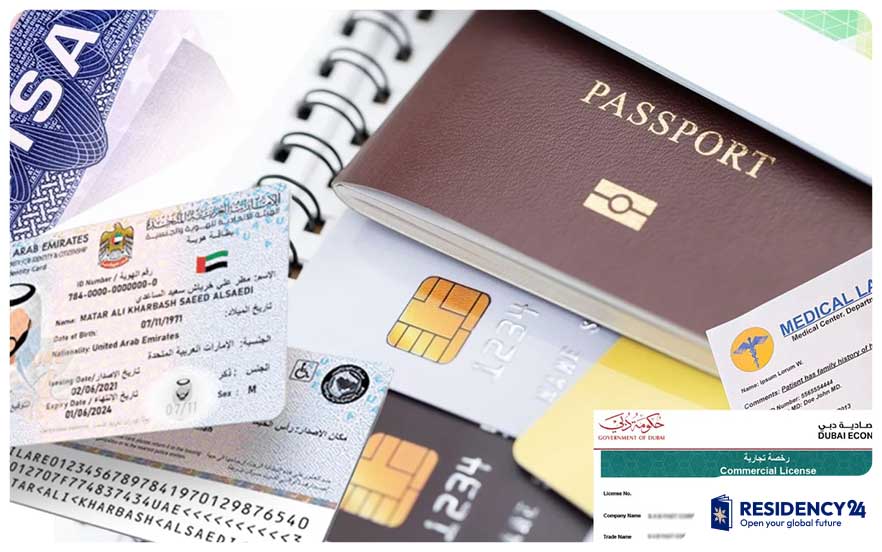
Required documents vary by activity and jurisdiction, but most applications start with basic shareholder and business information.
Common documents include:
Passport copy of each shareholder
UAE visa page or entry stamp, if applicable
Emirates ID, if already resident
Passport-size photo
Trade name reservation
Initial approval
Business activity details
Office lease, Ejari, or workspace agreement
Memorandum of association, where required
External approval, where required
Parent company documents for corporate shareholders
Board resolution for corporate shareholders
No-objection certificate, if required
A document may need attestation or legal translation if it was issued outside the UAE. This is especially relevant for corporate shareholders and regulated professional activities.
How Much Does a Trade License in Dubai Cost?
A Dubai trade license can cost from a lower five-figure AED amount for simple setups to much higher amounts for regulated, office-based, industrial, or multi-visa companies. The final cost depends on whether the license is mainland or free zone, the activity, the office requirement, the number of visas, and whether external approvals are needed.
The license itself is only one part of the budget. A complete setup may include:
License fee
Company registration
Trade name reservation
Initial approval
Office or flexi-desk
Establishment card
Immigration file
Investor or employee visas
Medical test
Emirates ID
Health insurance
Bank account support
Accounting and tax compliance
Renewal fees
A low-cost license may not be useful if it does not support the company’s real activity. Cost should be compared against operating rights, not only the first-year fee.
How Long Does It Take to Get a Trade License in Dubai?
A simple Dubai trade license can be issued relatively quickly when the activity is straightforward, documents are complete, and no external approval is required. More complex licenses can take longer because of regulatory checks, lease arrangements, document attestation, or authority approvals.
The timeline depends on:
Mainland or free zone setup
Activity type
Number of shareholders
Whether shareholders are individuals or companies
Trade name approval
External approvals
Office lease readiness
Document attestation
Payment and authority processing
Applicants should not treat license issuance and business readiness as the same thing. After the license is issued, the company may still need visas, a bank account, VAT or corporate tax registration, permits, software, staff, suppliers, and insurance.
Can Foreigners Get a Trade License in Dubai?
Yes, foreigners can get a trade license in Dubai. Many mainland and free zone activities allow 100% foreign ownership. The UAE Government states that legal reforms allow foreign investors to own up to 100% of specific mainland businesses, removing the old general limit that restricted foreign ownership to 49% in many cases. Some entrepreneurs also combine buying property in Dubai with their business setup as part of a broader long-term investment strategy.
Foreign founders should still check the exact activity. Some strategic, regulated, or restricted sectors may have special rules or additional approvals.
Can You Get a Dubai Trade License Without a Residence Visa?
Yes, in many cases a person can own a Dubai company without first holding a UAE residence visa. Company ownership and residence status are separate. However, a residence visa can be useful for banking, Emirates ID, local management, leasing, and long-term stay.
Many founders apply for an investor or partner visa after the trade license is issued. The company must usually open an immigration file and establishment card before visa processing can begin.
For entrepreneurs comparing company setup with UAE residency and investment planning, Residency24 works in areas such as Dubai company formation, residence solutions, property purchase, and investment structuring. After obtaining a trade license, many business owners apply for residency in Dubai through their company to access local banking, visas, and other government services.
Trade License Renewal in Dubai
A Dubai trade license must be renewed to keep the company active. Operating with an expired license can create penalties, banking problems, visa issues, and restrictions on business activity.
Renewal may require:
Valid lease or workspace agreement
Updated company documents
Payment of renewal fees
Settlement of fines, if any
External approval renewal, if applicable
Updated shareholder or manager information
Compliance with tax and regulatory obligations
Renewal cost should be considered before setup. Some licenses are cheap to issue but more expensive to maintain because of office, activity, or visa requirements.
What Happens After Getting a Trade License?
After the license is issued, the company is legally formed, but practical operations still require additional steps. These steps depend on the business model.
Common post-license steps include:
Open an establishment card
Apply for investor or employee visas
Complete medical test and Emirates ID
Arrange health insurance
Open a corporate bank account
Register for corporate tax
Register for VAT, if required
Sign office, supplier, and client contracts
Apply for customs code, if importing or exporting
Get municipality, tourism, or sector permits, if needed
Set up bookkeeping and invoicing
The trade license is the starting point. A compliant business needs ongoing administration after formation.
Common Mistakes to Avoid
Many trade license problems come from early decisions that were made too quickly. The license should be built around the business model, not around the cheapest package.
Common mistakes include:
Choosing the wrong business activity
Selecting free zone setup while needing mainland operations
Underestimating visa and office costs
Ignoring external approvals
Using a vague trade name
Not checking renewal fees
Assuming a license guarantees bank account approval
Mixing unrelated activities under one license without approval
Not preparing tax and accounting records
Signing a lease before confirming licensing requirements
Forgetting health insurance and Emirates ID costs
A correct license makes banking, contracts, hiring, and renewal easier. A poor license choice can create delays long after the company is formed.
Mainland Trade License vs Free Zone Trade License
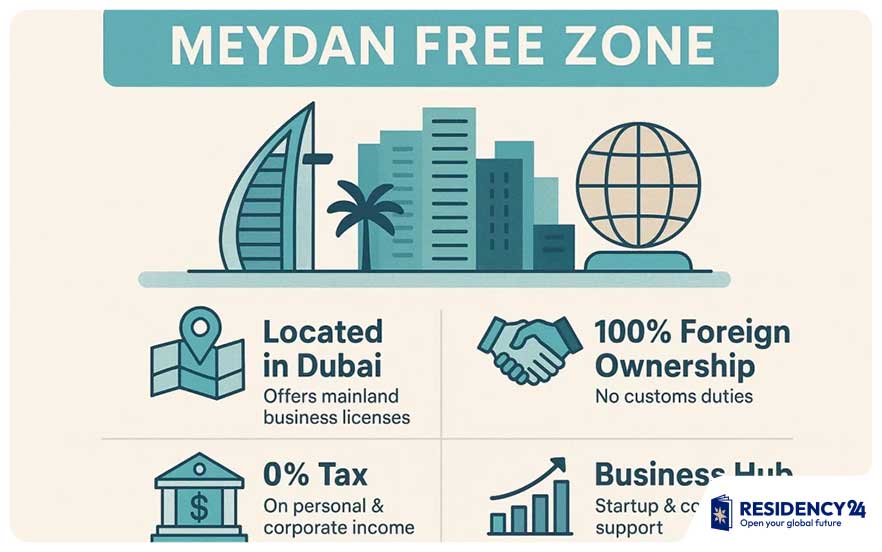
A mainland trade license is usually better for businesses that need to work directly in the UAE market. A free zone trade license is often better for international, online, consulting, or service-based businesses that do not need a physical mainland presence.
Mainland license advantages include broader UAE market access, local client contracts, government-related opportunities, and suitability for shops or on-site services. Free zone license advantages include flexible packages, simple ownership, lower entry cost in many cases, and efficient setup for certain activities.
The right choice depends on how the company will earn money. A business that sells directly to UAE consumers may need mainland. A consultant serving overseas clients may find a free zone more efficient.
Conclusion
Getting a trade license in Dubai requires choosing the right business activity, jurisdiction, legal structure, trade name, office arrangement, and approval path. Mainland licenses are usually better for direct UAE market operations, while free zone licenses often suit consulting, digital, international, and startup businesses. The license cost depends on activity, office needs, visas, approvals, and renewal obligations, so founders should calculate the full setup budget rather than focusing only on the advertised license fee. A properly selected trade license gives the company a legal base for contracts, invoicing, visas, banking, tax registration, and long-term operations in Dubai. For eligible entrepreneurs and investors, UAE Golden Visa options may also be available depending on the nature of the business, investment, and current immigration requirements.