Starting a company in the UAE can take a few days for a simple free zone setup and several weeks for a more complex mainland, regulated, or office-based business. The timeline depends on the emirate, jurisdiction, business activity, legal structure, shareholder documents, trade name approval, external approvals, office requirements, and visa needs. Company formation and being ready to operate are not the same thing. A trade license may be issued quickly, but opening a bank account, obtaining residence visas, registering for tax, leasing premises, and receiving sector approvals can extend the full business launch timeline. This guide is based on practical information and real-world experience related to living in Dubai, while also drawing on the expertise of Residency24 in UAE residency, investment, and relocation.
How Long Does UAE Company Formation Usually Take?
UAE company formation usually takes around 3 to 10 working days for a straightforward free zone company and around 1 to 4 weeks for many mainland companies, depending on the activity and documents. Regulated sectors, foreign corporate shareholders, physical premises, or special approvals can extend the process beyond that. Many entrepreneurs begin company formation in Dubai before arranging visas, banking, and operational approvals for their business.
The fastest cases are usually simple service, consulting, or digital businesses with individual shareholders, complete documents, and no external approvals. The slowest cases often involve healthcare, education, finance, food, real estate, construction, industrial activity, foreign corporate shareholders, or incomplete attested documents.
Company Formation vs Full Business Readiness

A company can be legally formed before it is fully ready to operate. This distinction matters because many founders think “license issued” means the business can immediately do everything.
Company formation usually means:
Trade name approved
Initial approval received
Documents submitted
License issued
Company registered with the relevant authority
Full business readiness may also require:
Office handover or Ejari
Establishment card
Immigration file
Investor and employee visas
Emirates ID
Medical fitness tests
Health insurance
Corporate bank account
VAT registration, if required
Corporate tax registration
Customs code, if importing or exporting
External permits, if regulated
A consulting company may be ready soon after licensing. A restaurant, clinic, warehouse, or school may need several additional approvals before opening.
Main Factors That Affect the Timeline
The UAE company setup timeline is shaped by the complexity of the business. A simple one-shareholder company is usually faster than a company with multiple shareholders, foreign corporate ownership, or regulated activities.
The main timeline factors are:
Mainland or free zone jurisdiction
Selected emirate
Business activity
Number of shareholders
Individual or corporate shareholders
Trade name approval
External approvals
Office or warehouse requirement
Document attestation and translation
Visa processing
Bank account opening
Tax and customs registration
Authority workload and public holidays
The best way to reduce delays is to confirm requirements before submitting the application. Most delays happen because the selected activity, documents, or premises do not match the authority’s requirements.
Free Zone Company Setup Timeline

A simple UAE free zone company can often be formed faster than a mainland company because free zones usually offer packaged setup processes. Many free zones combine license, registration, workspace, and visa quota options into one application path.
A typical free zone timeline may look like this:
Activity and package selection: 1 day
Document preparation: 1 to 3 days
Trade name and initial approval: 1 to 3 working days
License issuance: 2 to 7 working days
Establishment card: several working days after licensing
Visa processing: usually additional time after establishment card
Bank account opening: separate bank review timeline
The license may be issued quickly if the shareholder is an individual, the activity is not regulated, and the documents are complete. A free zone company with corporate shareholders, regulated activities, or special office requirements may take longer.
Mainland Company Setup Timeline
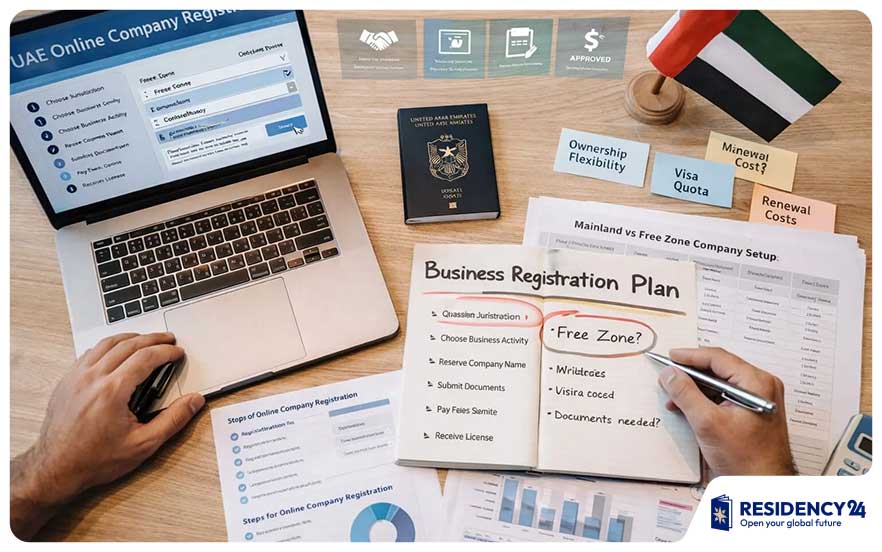
A UAE mainland company may take longer than a simple free zone setup because the process can involve the local economic department, legal documents, office lease, Ejari, and external approvals. In Dubai, mainland business setup includes steps such as selecting the business activity, choosing the legal form, registering the trade name, applying for initial approval, and obtaining the license.
A typical mainland timeline may include:
Business activity selection: 1 day
Trade name reservation: 1 to 2 working days
Initial approval: 1 to 3 working days
Memorandum or legal document preparation: 1 to 5 working days
Office lease and Ejari: several days, depending on premises
External approvals, if required: several days to several weeks
License issuance: 1 to 5 working days after file completion
Establishment card and visas: additional processing time
A straightforward mainland professional or commercial license can move quickly. A restaurant, clinic, real estate brokerage, engineering firm, or industrial activity can take longer because the business may need approvals outside the licensing authority.
Timeline by Business Type
Different businesses move at different speeds because the approval risk is not the same. A low-risk service company is usually faster than a regulated public-facing business.
Consulting Company
A consulting company is usually one of the fastest businesses to set up. It often needs fewer external approvals and can operate from a small office, flexi-desk, or business center depending on jurisdiction.
The main delays are usually activity selection, document errors, and bank account preparation. If the company has a clear service activity and individual shareholders, licensing can be completed relatively quickly.
E-Commerce Company
An e-commerce company can be fast if it sells through a simple online model and does not import regulated goods. The timeline may increase if the business needs customs registration, product approvals, payment gateway review, warehouse space, or marketplace onboarding.
The license should clearly match whether the business is selling its own products, running a portal, importing goods, or offering digital services.
Trading Company
A trading company may take longer than a consulting company because the activity, products, customs needs, and banking profile require more review. General trading can be more complex than a narrow trading activity.
If the company plans to import goods, it may need customs registration and product-specific approvals. Food, cosmetics, electronics, supplements, medical products, and chemicals may require additional checks.
Restaurant or Café
A restaurant or café usually takes longer because license issuance is only part of the process. The business also needs premises, fit-out, food safety approvals, municipality requirements, staff visas, and operational permits.
Even if the company license is issued early, opening to customers can take much longer. Lease negotiation, kitchen design, inspections, and equipment installation often define the real timeline.
Real Estate Brokerage
A real estate brokerage can require additional approvals, qualified personnel, and sector-specific registration. The timeline depends on the emirate, licensing authority, and whether the required professional requirements are already met.
This business should not be planned as a quick generic license. The approval path should be checked before committing to office space or hiring.
Healthcare Clinic
A clinic is usually one of the slower setups because it requires health authority approvals, licensed professionals, suitable premises, inspections, equipment, and compliance documents. The company registration may happen earlier, but operational approval can take significantly longer.
Healthcare founders should plan the licensing timeline and clinical approval timeline separately.
Visa Processing Timeline After Company Formation
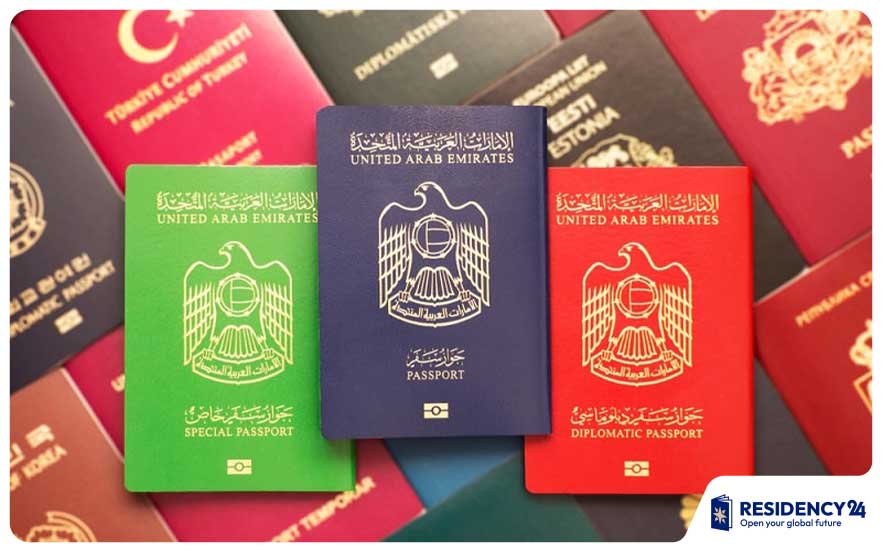
After the company is licensed, it can usually apply for establishment card and immigration services. Only then can investor, partner, or employee visas be processed through the company. Some founders also plan residency in Dubai alongside the company setup process so they can manage the business and live in the UAE long term.
Visa processing may include:
Establishment card
Immigration file opening
Entry permit
Status change, if inside the UAE
Medical fitness test
Emirates ID application
Health insurance
Residence visa issuance
Founder visa processing can take additional days or weeks depending on the authority, applicant location, medical appointment availability, and document readiness. Family visas require a separate process after the main applicant’s residence visa is active.
For entrepreneurs planning both UAE company formation and residency, Residency24 works in areas such as business setup, residence applications, property purchase, and investment planning in Dubai.
Bank Account Opening Timeline
Corporate bank account opening can take longer than company formation. A company may receive its trade license in days but still need more time for bank compliance review. For investors who are also entering the real estate market, buying property in Dubai can become part of a broader strategy that includes business setup, banking, and long-term investment.
Banks may request:
Trade license
Shareholder documents
Passport and visa copies
Emirates ID, if available
Office lease or free zone documents
Business plan or company profile
Source of funds
Expected transaction volume
Supplier and customer information
Invoices or contracts
Website or online presence
Bank approval depends on the business model, activity, ownership, customer countries, transaction profile, and completeness of evidence. A clear, credible company profile can reduce questions, but no setup authority can guarantee bank approval.
Tax Registration Timeline
UAE companies should also plan for corporate tax and VAT obligations. Corporate tax registration is separate from company formation, and VAT registration is required only if the business meets the relevant taxable supply threshold.
Tax readiness may include:
Corporate tax registration
VAT registration, if required
Accounting system setup
Invoice format preparation
Chart of accounts
Bookkeeping process
Financial record retention
Tax filing calendar
A company can be licensed before it has revenue, but it should still prepare compliance systems early. Delayed tax registration or poor bookkeeping can create problems later.
What Can Delay UAE Company Formation?
Delays usually come from missing documents, wrong activity selection, unclear ownership, or external approvals. In many cases, the authority is not the main cause; the file itself is incomplete or inconsistent.
Common delay reasons include:
Passport copies not clear
Names spelled differently across documents
Expired visa or passport
Trade name rejection
Business activity mismatch
Corporate documents not attested
Missing board resolution
Office lease not ready
Ejari not issued
External approval not obtained
Wrong legal structure
Payment delays
Public holidays
Bank compliance questions
A prepared file is faster than a rushed file. Submitting incomplete documents often creates more delay than taking an extra day to prepare correctly.
How to Start a Company Faster in the UAE
The fastest setup is usually a simple structure with individual shareholders, a clear activity, no external approvals, complete documents, and a suitable free zone or mainland package. Speed should not come at the expense of legal fit.
To reduce delays:
Choose the correct activity before applying.
Decide between mainland and free zone based on operations.
Prepare passport copies, photos, visa copies, and address proof early.
Check whether documents need attestation.
Avoid restricted words in the trade name.
Confirm external approvals before signing a lease.
Choose office space that matches the activity and visa needs.
Prepare a short business profile for banking.
Plan visas after license issuance.
Keep renewal and tax obligations in mind from the start.
A fast license is useful only if the company can actually operate afterward.
Can You Start a UAE Company Remotely?
Yes, many UAE company setup processes can begin remotely, especially in free zones. Documents can often be submitted online, and some authorities allow digital signatures or remote incorporation steps. However, certain procedures may still require the applicant’s presence in the UAE, especially for residence visas, medical fitness tests, Emirates ID biometrics, bank account opening, or physical premises steps.
Remote setup is easier when:
The shareholder is an individual
The activity is simple
No regulated approval is required
Documents are complete
The founder does not need an immediate visa
The company does not need a complex bank account at the start
Founders should separate remote company registration from personal relocation. A company may be formed remotely, but residency and banking often require additional local steps.
Is a Faster Setup Always Better?
No. A faster setup is not always better if the license does not match the real business. Some founders choose the fastest free zone package and later discover that they cannot trade directly in the mainland, get the right visa quota, obtain bank approval, or carry out the activity they planned.
A good setup balances speed with accuracy. It should answer:
Can the company legally provide its services?
Can it invoice the intended clients?
Can it apply for the required visas?
Can it meet banking expectations?
Can it renew affordably?
Can it scale without restructuring immediately?
A few extra days spent choosing the right structure can prevent months of correction later.
Practical Timeline Example
A simple service company with one foreign individual shareholder may follow a timeline like this:
Stage | Estimated Timing |
Activity and jurisdiction selection | 1 day |
Document preparation | 1 to 3 days |
Trade name and initial approval | 1 to 3 working days |
License issuance | 2 to 7 working days |
Establishment card | Several working days |
Investor visa | Additional days or weeks |
Bank account opening | Separate compliance timeline |
Tax registration setup | After license, depending on obligation |
This is not a guarantee. It is a practical example for a straightforward case. Regulated sectors and corporate shareholders can take longer.
Conclusion

Starting a company in the UAE can be quick for a simple free zone or low-risk service activity, but more complex businesses can take several weeks or longer. The timeline depends on jurisdiction, activity, documents, approvals, office requirements, visa processing, banking, and tax setup. A trade license may be issued before the company is fully ready to operate, so founders should plan the full launch timeline rather than only the incorporation date. The best approach is to choose the correct structure first, prepare complete documents, check external approvals early, and build the setup around how the business will actually work.Depending on the investment route, establishing a business in the UAE may also complement an application for the UAE Golden Visa, provided the applicant satisfies the relevant eligibility requirements.