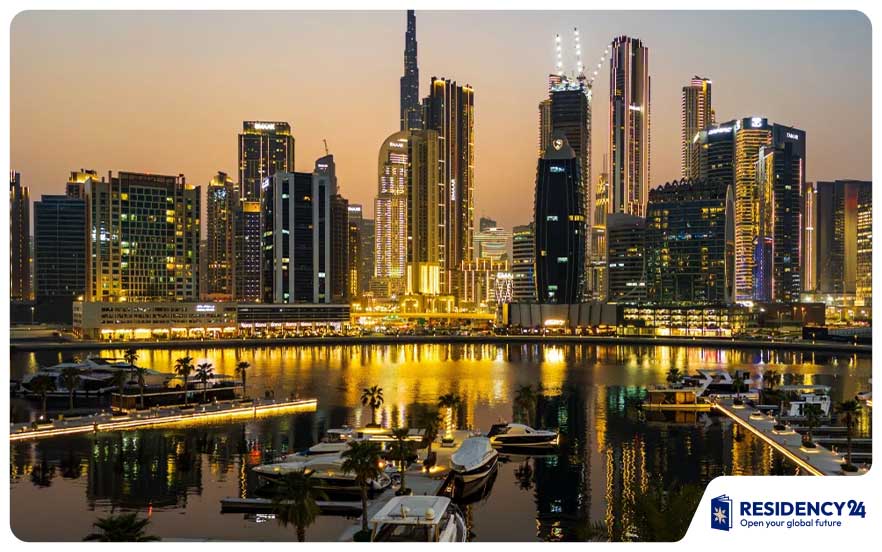
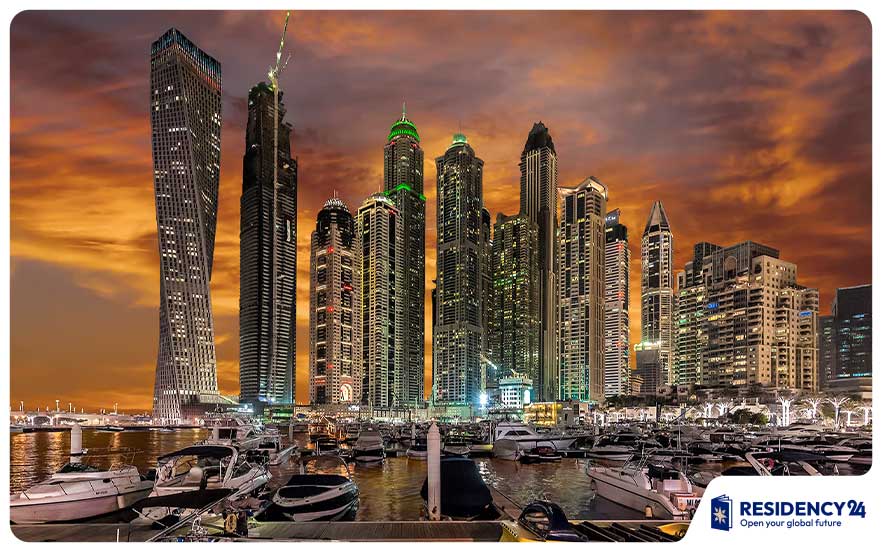
Free zone vs. mainland in Dubai is one of the first decisions a founder must make before setting up a company. A mainland company is licensed by Dubai’s Department of Economy and Tourism and is usually better for businesses that want broad access to the UAE market, government contracts, local clients, retail locations, or physical operations. A free zone company is licensed by a specific free zone authority and is often better for international trading, consulting, digital services, startups, and businesses that want a simpler setup with flexible office options. The right choice depends on where the company will sell, how it will operate, how many visas it needs, and whether local UAE market access is essential.
What Is the Main Difference Between Free Zone and Mainland in Dubai?
The main difference is market access and licensing authority. A mainland company is licensed by the Dubai Department of Economy and Tourism and can generally operate across Dubai and the wider UAE market, subject to its approved activities and regulatory rules. A free zone company is licensed by a free zone authority and is usually designed for activity inside that free zone, international business, or specific permitted structures.
The UAE Ministry of Economy states that the country has more than 40 multidisciplinary free zones where expatriates and foreign investors can fully own companies. The UAE Government also confirms that amendments to the Commercial Companies Law allow foreign investors to own up to 100% of many mainland commercial companies, replacing the earlier 49% foreign ownership limit for many activities.
What Is a Mainland Company in Dubai?
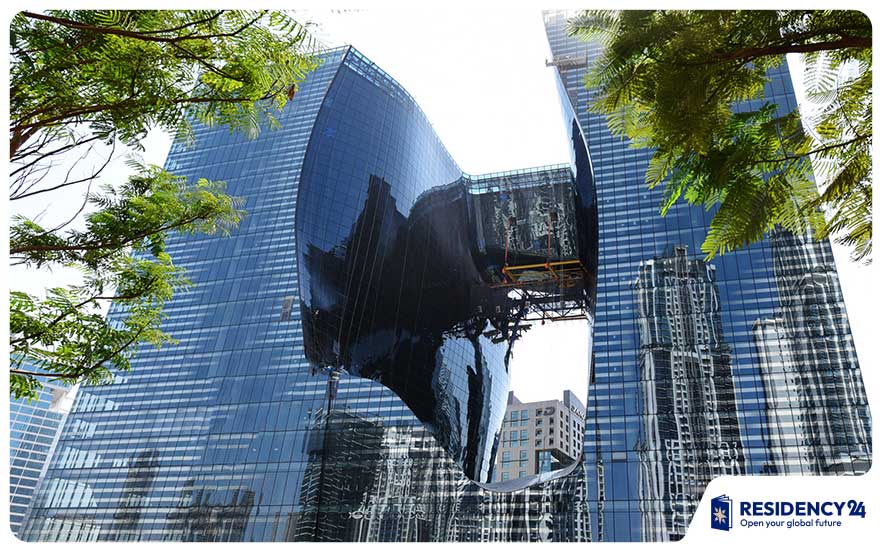
A mainland company is a business registered under Dubai’s onshore licensing system. It is usually formed through Dubai’s Department of Economy and Tourism and can carry out approved activities in the local UAE market.
Mainland companies are often used by businesses that need direct client access, a physical presence, local contracts, government tenders, or regulated operations. Examples include restaurants, clinics, construction companies, real estate firms, retail shops, technical services providers, consultancies, and trading businesses.
A mainland company is usually better when the business will operate visibly in Dubai rather than only from a remote or export-focused structure. It can also be more suitable when the company needs larger visa capacity, local branch expansion, or direct invoicing to UAE-based customers.
What Is a Free Zone Company in Dubai?
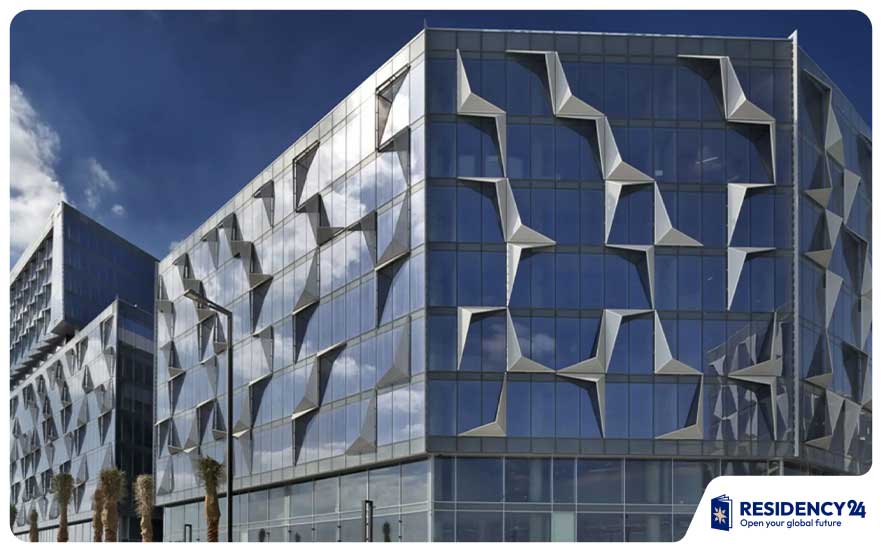
A free zone company is registered inside one of Dubai’s free zones or another UAE free zone. Each free zone has its own authority, license packages, business activities, office options, and visa rules.
Free zones are popular because they often offer 100% foreign ownership, simplified setup, industry-specific clusters, flexible workspace packages, and packages designed for startups or international businesses. The UAE Ministry of Economy describes free zones as areas with efficient infrastructure and services that support investors and business workflows.
A free zone company can be a good fit for consulting, software, media, e-commerce, design, marketing, import-export, holding, education technology, and remote service businesses. It may also suit companies that mainly serve international clients rather than walk-in customers or mainland retail markets.
Free Zone vs Mainland Dubai: Quick Comparison
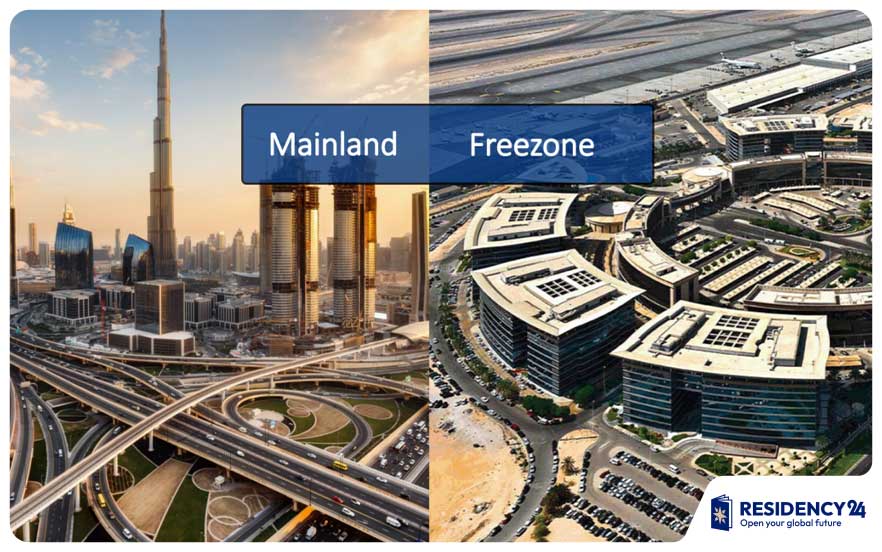
The choice between a Dubai free zone and mainland company should not be based only on setup cost. It should be based on business activity, market access, compliance needs, office requirement, and long-term plans.
Factor
Mainland Dubai
Dubai Free Zone
Licensing authority
Dubai Department of Economy and Tourism
Relevant free zone authority
UAE market access
Broad local market access
Usually limited or conditional outside the free zone
Foreign ownership
Up to 100% for many activities
Usually 100% foreign ownership
Office requirement
Physical office or lease often required
Flexi-desk, shared office, or office packages often available
Government contracts
Generally more suitable
Usually less direct
Setup cost
Often higher
Often lower at entry level
Best for
Local operations, shops, services, contracting, UAE clients
Startups, consulting, digital, international trade, remote services
Visa quota
Often linked to office size and activity
Linked to free zone package
Regulator
Mainland economic authority and external regulators where needed
Free zone authority and external regulators where needed
A free zone is often efficient for lean businesses. Mainland is often stronger for businesses that depend on the UAE domestic market.
Ownership Rules
Foreign ownership is no longer the simple dividing line it once was. Historically, many mainland companies required a UAE national shareholder. That has changed for many activities.
The UAE Government states that changes to the Commercial Companies Law allow foreign investors to own up to 100% of specific mainland businesses. This means mainland ownership is now more flexible than it used to be, although some strategic or regulated activities may still have additional requirements.
Free zones have long allowed 100% foreign ownership. For that reason, free zones remain attractive to founders who want a straightforward ownership structure with no local shareholder requirement. However, the decision should now focus more on operating rights than ownership alone.
Market Access
Market access is usually the most important difference between mainland and free zone companies. A mainland company is generally better for direct business inside Dubai and the UAE. A free zone company is often better for international work, free zone-based operations, and certain service models.
A mainland company may be better if the business needs to:
Sell directly to UAE mainland customers
Open a shop, salon, clinic, restaurant, or showroom
Bid for local government or semi-government contracts
Provide on-site services across Dubai
Hire a larger local team
Rent a visible commercial premises
A free zone company may be enough if the business:
Serves international clients
Works online or remotely
Provides consulting or digital services
Uses a UAE company for invoicing and residency
Operates from a shared office or flexi-desk
Does not need a customer-facing mainland location
Some free zone companies can work with mainland clients through permitted structures, distributors, branches, or additional approvals. The exact rule depends on the activity and authority, so this point should be checked before choosing a license.
Cost Differences
Free zone companies are often cheaper to start, especially when the founder does not need many visas or a full office. Mainland companies often cost more because they may involve a physical office, local lease registration, market-related fees, and activity-specific approvals.
Free zone costs usually include:
Company registration
License package
Flexi-desk or office package
Establishment card
Visa allocation, if needed
Immigration file
Renewal fees
Mainland costs usually include:
Trade name reservation
Initial approval
License issuance
Memorandum of association
Office lease or Ejari
Market fee linked to rent
Establishment card
Investor and employee visas
External approvals, where required
A low-cost free zone license may look attractive at the start, but it may not be cheaper if the company later needs mainland access, extra approvals, or a different structure. A mainland company may cost more, but it can reduce operational friction for businesses that need to work directly in the UAE market.
Office Requirements
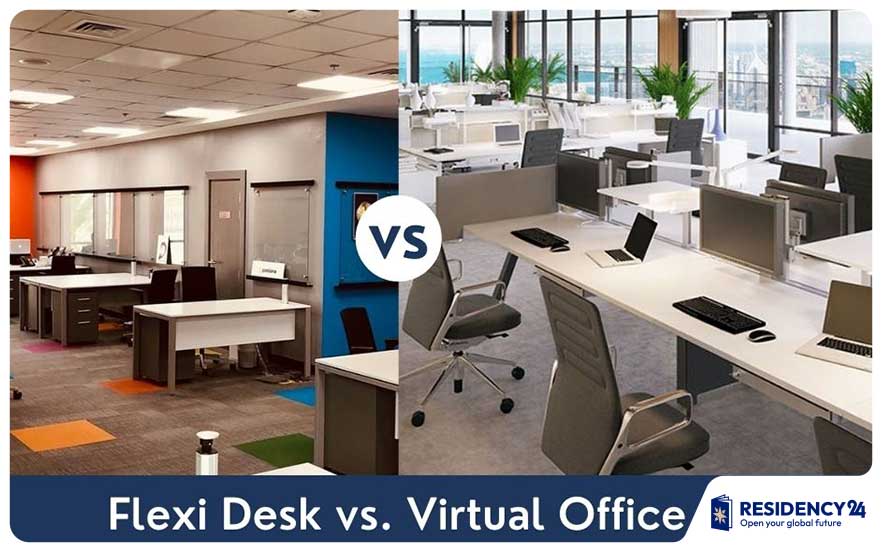
Mainland companies usually need a stronger physical office arrangement. The office may be small, but it must normally match the company activity, visa needs, and licensing requirements.
Free zones often provide more flexible office choices. These may include flexi-desks, shared desks, dedicated offices, warehouses, or full commercial units. This makes free zones practical for founders who want a lean setup in the beginning.
However, the office decision should match the business model. A restaurant cannot operate from a flexi-desk. A logistics company may need warehouse space. A consultant may not need a full office. The right structure depends on how the company will actually operate.
Visa Allocation
Both mainland and free zone companies can sponsor residence visas, but the number of visas depends on the company setup. Mainland visa allocation is often influenced by office size, business activity, and labor rules. Free zone visa quota is usually connected to the selected package and workspace type.
A founder should calculate visa needs before choosing a jurisdiction. The company may need visas for:
Shareholders
General manager
Employees
Dependents of the main applicant
Future hires
Choosing a license with too few visa options can create expansion problems. Choosing a large package too early can increase costs unnecessarily.
Banking Considerations
Both mainland and free zone companies can apply for corporate bank accounts in the UAE, but approval is never automatic. Banks review the activity, shareholder profile, source of funds, expected transactions, client locations, office arrangement, and business documents.
Mainland companies may sometimes appear more straightforward to banks when they serve UAE clients, hold local contracts, or have a physical office. Free zone companies can also bank successfully, especially when they have a clear business model, proper invoices, contracts, and transparent ownership.
A weak license choice can make banking harder. For example, a company with a broad activity, no clear client base, no website, and unclear source of funds may face more questions. The license should match the actual revenue model.
Tax and Compliance
The UAE corporate tax system applies across the country, but free zone companies may have specific treatment if they qualify under the relevant rules. Mainland companies are generally subject to UAE corporate tax rules based on taxable income and applicable thresholds.
Tax should not be the only reason to choose a free zone. A company must consider whether it meets qualifying conditions, whether it has mainland income, and whether its activity receives any special treatment. VAT registration may also be required if the company crosses the applicable taxable supply threshold.
Every company should plan for:
Bookkeeping
Financial statements
Corporate tax registration
VAT registration, if applicable
License renewal
Ultimate Beneficial Owner records
Economic substance or activity-related reporting, where relevant
Proper invoicing and contracts
Compliance is now part of the real cost of doing business in Dubai. A company that is simple to open still needs to be maintained correctly.
Business Activities
Business activity selection affects almost everything: license cost, approvals, office requirement, banking, tax treatment, and operating rights. A mainland license may be required for some local-facing activities. A free zone license may be more suitable for knowledge-based, export-focused, or international service activities.
Examples of activities often suited to mainland include:
Retail shops
Restaurants and cafés
Clinics and healthcare facilities
Construction and contracting
Real estate brokerage
Local technical services
Cleaning and maintenance
Local logistics operations
Examples of activities often suited to free zones include:
Management consulting
Marketing services
Software development
Media production
E-commerce support
International trading
Design services
Holding companies
Professional services for overseas clients
These are practical examples, not universal rules. Some activities can be licensed in both structures. The final choice depends on clients, location, approvals, and long-term plans.
When Mainland Is the Better Choice
Mainland is usually the better choice when the business depends on the UAE local market. It gives more direct operating flexibility for companies that need to sell, serve, deliver, install, maintain, or contract across Dubai and the wider UAE.
Mainland is often better if:
Most clients are in the UAE
The business needs a shop, clinic, restaurant, or office open to customers
The company wants to bid for government contracts
Staff must work at client sites
The business needs broad local invoicing
The activity is regulated by a mainland authority
The company plans to scale operations locally
For these businesses, saving money through a free zone setup may create restrictions. The structure should support real operations, not just registration.
When a Free Zone Is the Better Choice
A free zone is usually better when the company is service-based, international, digital, or startup-oriented. It can reduce setup complexity and provide a more predictable package for founders who do not need a mainland shopfront.
A free zone is often better if:
The company serves clients outside the UAE
The founder works remotely or online
The business is consulting, media, software, or e-commerce-related
A flexi-desk is enough
The founder wants a simple ownership structure
The company needs limited visas
The business is testing the UAE market before expanding
A free zone can be a practical first step. If the company later needs broader local access, it may consider a mainland branch, distributor, restructuring, or new license.
Common Mistakes When Choosing Between Free Zone and Mainland
Many founders compare the free zone and the mainland only by price. That is risky because the cheapest license may not support the company’s actual operations.
Common mistakes include:
Choosing a free zone while planning to operate mainly in mainland Dubai
Selecting a license activity that does not match real services
Ignoring visa quota requirements
Assuming 100% ownership means full market access
Forgetting office and renewal costs
Not checking external approvals before applying
Choosing a jurisdiction without considering banking
Mixing personal freelance work with company activity
Not planning for tax and accounting
Changing structure too late after signing contracts
The safest decision is based on business model, not package price.
Practical Decision Guide
Choose the mainland if your company needs direct UAE market access, a local customer-facing location, larger operational flexibility, or government-related opportunities. Choose a free zone if your company is remote, international, service-based, startup-oriented, or does not need to operate physically across the mainland.
A founder can use these questions before deciding:
Will most clients be inside or outside the UAE?
Do I need a physical location customers can visit?
Will I sell goods directly in the UAE mainland?
How many visas do I need in the first year?
Will I need government contracts or local tenders?
Is my activity regulated?
Do I need warehousing, logistics, or staff on client sites?
What will renewal cost in year two?
Will banks understand my structure easily?
Can this setup support the company after it grows?
For entrepreneurs comparing company formation, residency, and investment options in Dubai, Residency24 works with business setup, UAE residency, property purchase, and investment-related planning.
Conclusion

Free zone and mainland companies in Dubai serve different business needs. A mainland company is usually better for direct UAE market access, physical operations, local contracts, and customer-facing businesses. A free zone company is often better for international trade, consulting, digital services, startups, and founders who want a simpler setup with flexible office options. Since both routes can offer strong ownership rights, the decision should focus on activity, clients, office needs, visas, banking, tax, and long-term operating plans rather than only the first-year setup cost.