The cost of living in Dubai in 2026 depends mainly on rent, school fees, transport habits, healthcare coverage, and lifestyle choices. A single person can live more moderately if they rent outside prime districts and use public transport, while families usually face higher monthly expenses because of larger housing, private school fees, health insurance for dependents, and car-related costs. Housing remains the largest cost category in most Dubai budgets, followed by groceries, transport, utilities, education, and insurance. As a practical estimate, a single person renting a studio or one-bedroom apartment may need around AED 8,000 to AED 15,000 per month, while a family of four may need around AED 25,000 to AED 45,000 per month depending on area, school choice, and lifestyle. This guide combines practical insights with real-world considerations and draws on the expertise of Residency24 in UAE company formation, residency, real estate, investment, and relocation to provide clear, reliable, and actionable information for individuals and businesses.
How Much Does It Cost to Live in Dubai in 2026?
The average cost of living in Dubai in 2026 is around AED 8,000 to AED 15,000 per month for a single person renting independently, and around AED 25,000 to AED 45,000 per month for a family of four. These ranges include rent, groceries, utilities, transport, phone and internet, basic leisure, and regular personal expenses.
For people who already have employer-provided housing, health insurance, or school fee support, the required monthly budget can be much lower. For residents paying for everything privately, rent and education are the two expenses that change the total budget most quickly.
Dubai Cost of Living in 2026: Quick Monthly Budget
Household Type | Conservative Budget | Comfortable Budget | Main Cost Drivers |
Single person, shared housing | AED 5,000–8,000 | AED 8,000–11,000 | Rent share, transport, food habits |
Single person, private studio/1-bed | AED 8,000–12,000 | AED 12,000–18,000 | Area, building quality, car use |
Couple without children | AED 13,000–20,000 | AED 20,000–30,000 | Rent, dining, transport, insurance |
Family of three | AED 22,000–35,000 | AED 35,000–50,000 | Housing, school/nursery, car, insurance |
Family of four | AED 25,000–45,000 | AED 45,000–70,000+ | Rent, school fees, healthcare, lifestyle |
DMCC’s 2026 cost guide estimates monthly living expenses at about AED 4,150 for a single person excluding rent, and about AED 14,524 for a family of four excluding rent. It also lists average city-centre rent at about AED 8,700 per month for a one-bedroom apartment and AED 16,541 for a three-bedroom apartment.
Main Cost Categories in Dubai
Dubai is not expensive in the same way for everyone. A resident living in a shared apartment in Al Barsha, using Metro, and cooking at home has a very different monthly budget from a family renting a villa in Dubai Hills, driving two cars, and paying premium school fees.
The main monthly expenses are:
Rent: Usually the largest cost.
Utilities: Electricity, water, cooling, gas, and municipality fees.
Groceries: Depends heavily on imported goods and eating habits.
Transport: Public transport is affordable; private car ownership adds fuel, Salik, insurance, parking, and maintenance.
Health insurance: Often covered by employers for employees, but dependents may cost extra.
Education: Private school fees can become the largest family expense after rent.
Leisure and dining: Highly flexible, from low-cost casual meals to premium restaurants.
Domestic help and childcare: Common for families, but not essential for every household.
Dubai’s annual inflation reached 4.8% in April 2026, with food, transport, housing, and utilities showing pressure during that period. This matters because small increases in rent, groceries, and fuel can noticeably affect monthly budgets.
Rent in Dubai in 2026
Rent is the most important part of the cost of living in Dubai. The same salary can feel comfortable or limited depending on whether someone rents in Dubai Marina, Downtown Dubai, Jumeirah, Business Bay, JVC, Mirdif, Dubai Silicon Oasis, or International City.
Typical monthly rent ranges in 2026 can be estimated as follows:
Property Type | More Affordable Areas | Mid-Market Areas | Prime Areas |
Room in shared apartment | AED 2,500–5,000 | AED 4,000–7,000 | AED 6,000–10,000 |
Studio | AED 4,000–7,000 | AED 6,500–10,000 | AED 9,000–15,000 |
1-bedroom apartment | AED 6,000–10,000 | AED 9,000–14,000 | AED 13,000–22,000 |
2-bedroom apartment | AED 9,000–15,000 | AED 14,000–22,000 | AED 22,000–35,000 |
3-bedroom apartment | AED 13,000–22,000 | AED 20,000–35,000 | AED 35,000–55,000+ |
Townhouse or villa | AED 16,000–28,000 | AED 28,000–45,000 | AED 45,000–90,000+ |
Affordable areas usually reduce monthly rent, but they may increase commute time. Prime areas reduce travel time for some residents but increase rent, service-related costs, parking pressure, and lifestyle spending.
Best Areas by Budget
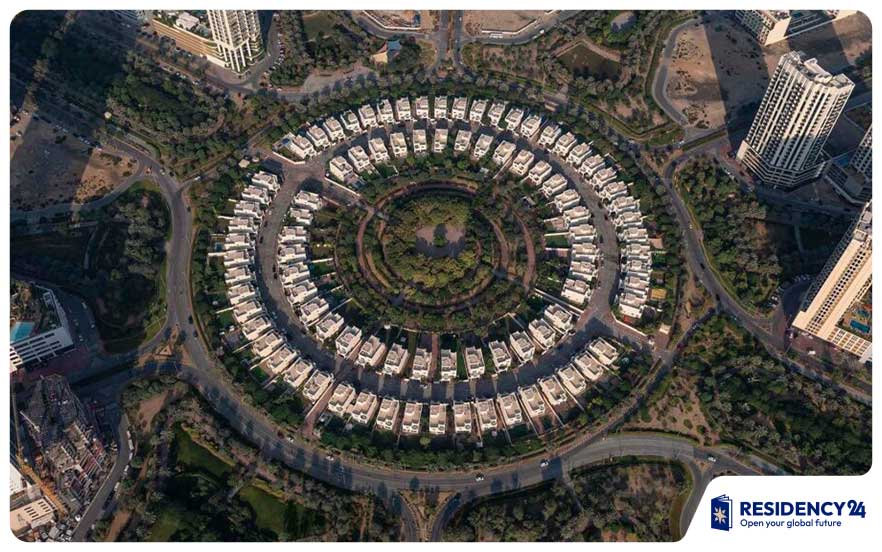
Choosing where to live in Dubai should start with commute, school access, and rent ceiling. A cheaper home can become more expensive if it adds daily taxi use, long school transport, or higher car expenses. If you are planning a long-term move rather than renting, comparing different options for buying a home in Dubai can help you estimate your overall housing costs and long-term financial commitment more accurately.
Budget Priority | Suitable Areas | Why They Work |
Lower rent | International City, Al Nahda, Deira, Bur Dubai, Dubai Silicon Oasis | More accessible apartments and practical daily services |
Balanced cost and access | JVC, Al Barsha, Discovery Gardens, JLT, Mirdif | Mid-market rent with good road or service access |
Business access | Business Bay, Downtown Dubai, DIFC-adjacent areas, JLT | Useful for professionals working centrally |
Family value | Mirdif, Dubai Silicon Oasis, JVC, The Springs, Town Square | More space or better family facilities for the price |
Premium lifestyle | Dubai Marina, Downtown Dubai, Palm Jumeirah, Jumeirah, Dubai Hills Estate | Strong amenities, views, location, and lifestyle appeal |
For people comparing living costs as part of a property purchase, residency, or investment decision in Dubai, Residency24 works in property buying, company setup, residency, and investment in Dubai.
Utilities and Cooling Costs
Utilities in Dubai usually include electricity, water, housing fee, cooling, gas, internet, and sometimes chiller charges. Electricity and water are billed by DEWA, while cooling may be included in rent, charged separately by a district cooling provider, or billed through the building.
DEWA applies slab tariffs and fuel surcharges to electricity and water consumption, so bills rise as usage increases. Cooling is a major factor in Dubai because air conditioning is used for much of the year, especially from late spring to early autumn.
Typical monthly utility ranges:
Home Type | Estimated Monthly Utilities |
Shared room | AED 300–800 |
Studio | AED 500–1,000 |
1-bedroom apartment | AED 700–1,500 |
2-bedroom apartment | AED 1,200–2,500 |
3-bedroom apartment | AED 2,000–4,000 |
Villa | AED 3,000–8,000+ |
A villa with a garden, pool, and large AC load can have much higher utility costs than an apartment. Before signing a lease, tenants should ask whether chiller is free, paid separately, or included in the rent.
Groceries and Food Costs
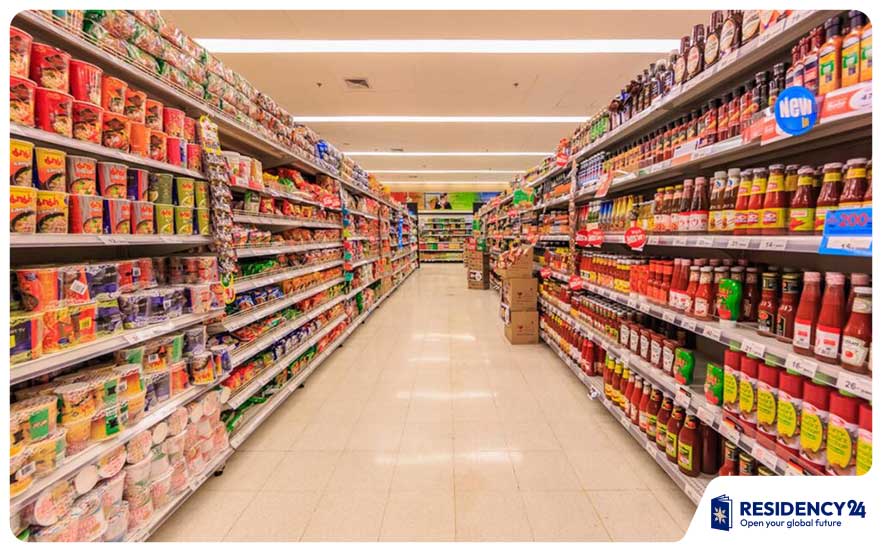
Groceries in Dubai can be moderate or expensive depending on product choices. Local and regional products are usually more affordable, while imported European, organic, specialty, or branded goods can increase the monthly bill quickly.
Typical monthly grocery budgets:
Household Type | Monthly Grocery Cost |
Single person | AED 1,000–2,000 |
Couple | AED 2,000–4,000 |
Family of three | AED 3,500–6,000 |
Family of four | AED 4,500–8,000+ |
Food costs rise when a household depends on imported meat, premium dairy, specialty snacks, international brands, or frequent delivery. Cooking at home and buying from supermarkets such as Carrefour, Lulu, Union Coop, Nesto, Viva, and local markets can reduce monthly spending.
Dining Out and Delivery
Dining out in Dubai has a wide price range. A casual meal can be affordable, but regular restaurant dining, brunches, hotel restaurants, coffee shops, and delivery apps can become a major monthly expense.
Common food-outside-home costs:
Item | Typical Cost |
Budget meal | AED 25–50 |
Casual restaurant meal | AED 50–120 per person |
Mid-range dinner | AED 150–300 per person |
Premium restaurant meal | AED 400+ per person |
Coffee | AED 15–30 |
Food delivery for one | AED 40–100 |
A single person eating out several times a week may spend AED 1,500 to AED 3,500 per month on restaurants and delivery. Families that rely heavily on delivery can spend much more.
Transport Costs in Dubai
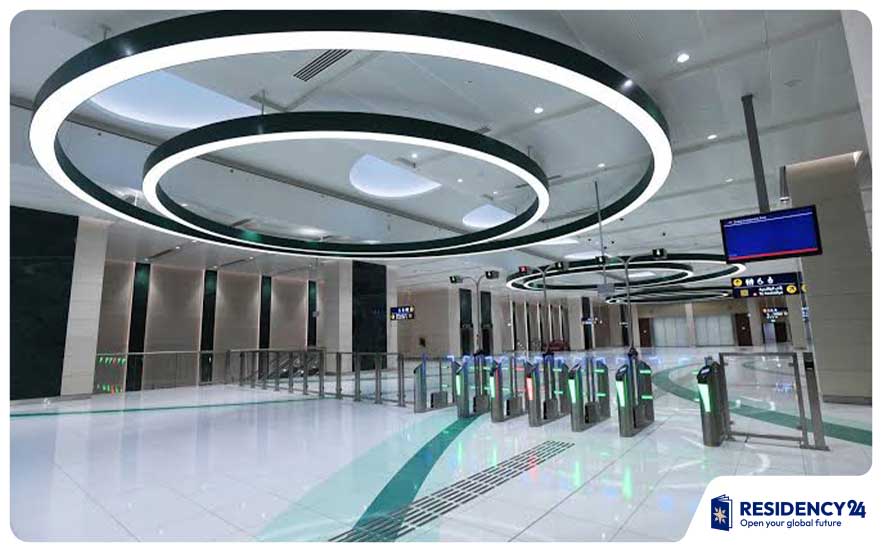
Transport costs in Dubai depend on whether a resident uses public transport, taxis, ride-hailing apps, or a private car. Public transport is the most affordable option, but it works best for people living and working near Metro, Tram, or bus routes.
RTA states that Dubai’s public transport network uses seven fare zones, and passengers can transfer across Metro and bus within set rules so that linked trips are charged as a single journey.
Typical monthly transport budgets:
Transport Style | Monthly Cost |
Public transport user | AED 300–800 |
Occasional taxi plus Metro | AED 800–1,800 |
Daily taxi or ride-hailing | AED 2,500–6,000+ |
Economy car owner | AED 1,500–3,500 |
Family with one car | AED 2,500–5,000 |
Family with two cars | AED 5,000–9,000+ |
Car ownership costs include fuel, insurance, registration, maintenance, parking, Salik tolls, washing, fines, and depreciation. DMCC’s 2026 guide listed petrol at approximately AED 2.82 per litre in early 2026.
Health Insurance and Medical Costs
Health insurance is mandatory in Dubai for residents and visitors. Dubai Health Authority’s insurance platform states that coverage is mandatory for UAE nationals residing in Dubai, expatriate residents, and visitors, and that employers must bear the full cost of employee health insurance premiums.
Employees are usually covered by their employer. Dependents are different: if an employer does not cover spouses or children, the sponsor must arrange valid insurance for them.
Typical annual health insurance ranges:
Coverage Type | Individual | Family of Four |
Basic plan | AED 600–1,500 | AED 5,000–18,000 |
Mid-range comprehensive plan | AED 5,000–8,000 | AED 25,000–40,000 |
Premium plan | AED 10,000–20,000+ | AED 50,000–80,000+ |
Property Finder’s 2026 cost guide places individual basic insurance around AED 600 to AED 800, comprehensive individual plans around AED 5,000 to AED 6,000, and family comprehensive plans around AED 33,000 to AED 35,000.
School Fees in Dubai
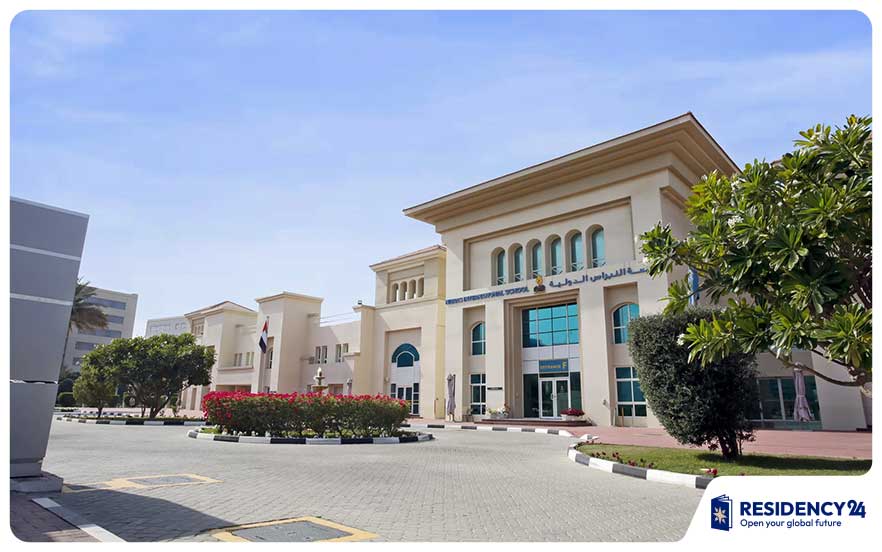
Education is one of the biggest cost-of-living factors for families in Dubai. Most expatriate families use private schools because they offer international curricula such as British, American, IB, Indian, French, German, and other systems.
DMCC’s 2026 guide states that private school fees in Dubai can range from AED 12,500 to AED 150,000 per year depending on school, curriculum, and institution. KHDA also confirmed that private school fees would be frozen for the 2026–27 academic year, meaning no tuition fee increase for private schools in Dubai for that academic year.
Typical annual school cost ranges:
School Type | Annual Tuition Range |
Lower-cost private schools | AED 12,000–25,000 |
Indian curriculum schools | AED 15,000–35,000 |
Mid-market British/American schools | AED 35,000–70,000 |
Premium British, American, or IB schools | AED 70,000–120,000+ |
Top-tier premium schools | AED 120,000–150,000+ |
Parents should also budget for uniforms, books, devices, transport, trips, lunches, exams, after-school activities, and registration fees. These extras can add several thousand dirhams per child each year.
Nursery and Childcare Costs
Nursery costs in Dubai vary by location, curriculum, age group, and number of days per week. Full-time nursery can be expensive, especially in premium communities.
Typical nursery costs:
Care Type | Monthly Cost |
Part-time nursery | AED 1,500–3,500 |
Full-time nursery | AED 3,000–6,500 |
Premium nursery | AED 6,500–9,000+ |
Nanny or domestic helper | AED 3,000–6,000+ including salary and related costs |
Families with young children should compare nursery fees with nanny costs, work schedules, commute, and school admission timing. Childcare can change the required monthly income more than groceries or utilities.
Internet, Mobile, and Home Services
Internet and mobile costs in Dubai are relatively predictable but higher than in some countries. Most households use fixed home internet packages, mobile plans, and streaming subscriptions.
Typical monthly costs:
Service | Monthly Cost |
Home internet | AED 300–600 |
Mobile plan | AED 100–350 per person |
Streaming subscriptions | AED 50–250 |
Cleaning service | AED 35–60 per hour |
Laundry and dry cleaning | AED 150–600 |
Gym membership | AED 150–700 |
A single person can keep this category under AED 600 per month. A family with multiple mobile plans, streaming services, cleaning, laundry, and gym memberships may spend AED 2,000 or more.
Leisure, Fitness, and Entertainment
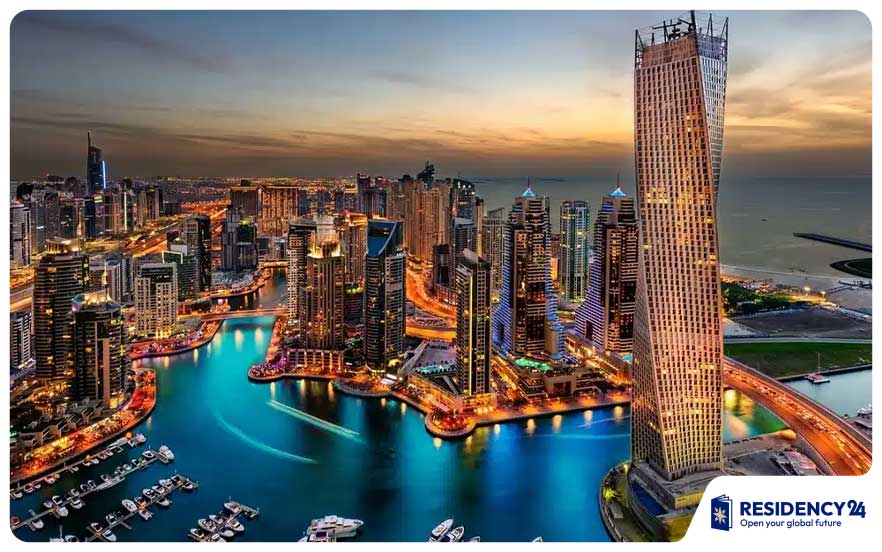
Dubai offers many free or low-cost activities, but paid entertainment can increase monthly expenses quickly. Beaches, parks, walking areas, and public events can keep costs low. Hotels, brunches, indoor attractions, theme parks, private beach clubs, and premium fitness studios raise the budget.
Typical leisure costs:
Activity | Typical Cost |
Cinema ticket | AED 40–70 |
Basic gym membership | AED 150–300 per month |
Premium fitness studio | AED 600–1,200+ per month |
Beach club day pass | AED 150–500+ |
Theme park ticket | AED 250–400+ |
Weekend brunch | AED 250–600+ per person |
For budgeting, singles often allocate AED 1,000 to AED 3,000 per month for leisure. Families may spend AED 2,000 to AED 8,000 depending on activities.
Cost of Living for a Single Person in Dubai
A single person’s Dubai budget depends mostly on whether they share accommodation or rent alone. Sharing a flat can cut monthly costs significantly.
Conservative Single-Person Budget
Expense | Monthly Cost |
Shared rent | AED 2,500–5,000 |
Utilities share | AED 300–700 |
Groceries | AED 1,000–1,500 |
Transport | AED 300–1,000 |
Mobile and internet share | AED 200–500 |
Dining and leisure | AED 800–1,500 |
Personal expenses | AED 500–1,000 |
Total | AED 5,600–11,200 |
Comfortable Single-Person Budget
Expense | Monthly Cost |
Studio or 1-bedroom rent | AED 6,000–12,000 |
Utilities | AED 600–1,500 |
Groceries | AED 1,500–2,500 |
Transport | AED 1,000–3,000 |
Mobile and internet | AED 400–800 |
Dining and leisure | AED 1,500–4,000 |
Personal expenses | AED 1,000–2,000 |
Total | AED 12,000–25,800 |
A salary of AED 10,000 per month may be workable for a single person with shared housing and controlled spending. For independent living in a good location, AED 15,000 to AED 20,000 gives more flexibility.
Cost of Living for a Couple in Dubai
A couple without children has more flexibility than a family, especially if both partners work. The main decision is whether to rent a one-bedroom apartment in a central area or choose a larger home farther out.
Expense | Monthly Cost |
Rent | AED 7,000–16,000 |
Utilities | AED 800–2,000 |
Groceries | AED 2,000–4,000 |
Transport | AED 1,500–5,000 |
Mobile and internet | AED 600–1,200 |
Dining and leisure | AED 2,000–6,000 |
Insurance and medical extras | AED 500–2,000 |
Personal expenses | AED 1,500–4,000 |
Total | AED 15,900–40,200 |
A couple can live comfortably on AED 20,000 to AED 30,000 per month if rent and transport are managed carefully. Premium housing, frequent dining, and two cars can push the budget much higher.
Cost of Living for a Family of Four in Dubai
Families usually face the highest living costs in Dubai because they need larger housing, school places, family insurance, car transport, and children’s activities.
Expense | Monthly Cost |
Rent | AED 12,000–35,000 |
Utilities and cooling | AED 1,500–5,000 |
Groceries | AED 4,500–8,000 |
School fees for two children | AED 4,000–20,000+ |
Transport and car costs | AED 3,000–9,000 |
Health insurance and medical extras | AED 1,500–6,000 |
Mobile, internet, subscriptions | AED 800–2,000 |
Leisure and activities | AED 2,000–8,000 |
Domestic help or childcare | AED 0–6,000 |
Total | AED 29,300–99,000+ |
A family of four can live on a moderate budget if they choose a practical area, mid-range school, one car, and controlled leisure spending. Premium schools and villas in high-demand communities can double the budget.
Monthly Salary Needed to Live in Dubai
The salary needed to live in Dubai depends on household size and whether housing, schooling, insurance, and transport are included in the employment package. Many people evaluate the cost of living alongside their options for residency in Dubai, as visa type and relocation plans can influence long-term budgeting and financial decisions.
Household | Minimum Practical Salary | More Comfortable Salary |
Single person sharing rent | AED 8,000–12,000 | AED 12,000–18,000 |
Single person renting alone | AED 12,000–18,000 | AED 18,000–30,000 |
Couple without children | AED 18,000–28,000 | AED 30,000–45,000 |
Family with one child | AED 30,000–45,000 | AED 45,000–70,000 |
Family with two children | AED 40,000–60,000 | AED 60,000–100,000+ |
A higher salary may still feel tight if rent is high, school fees are premium, or the household keeps two cars. A lower salary may work if the employer covers housing, insurance, flights, school allowance, or transport.
Hidden Costs to Plan For
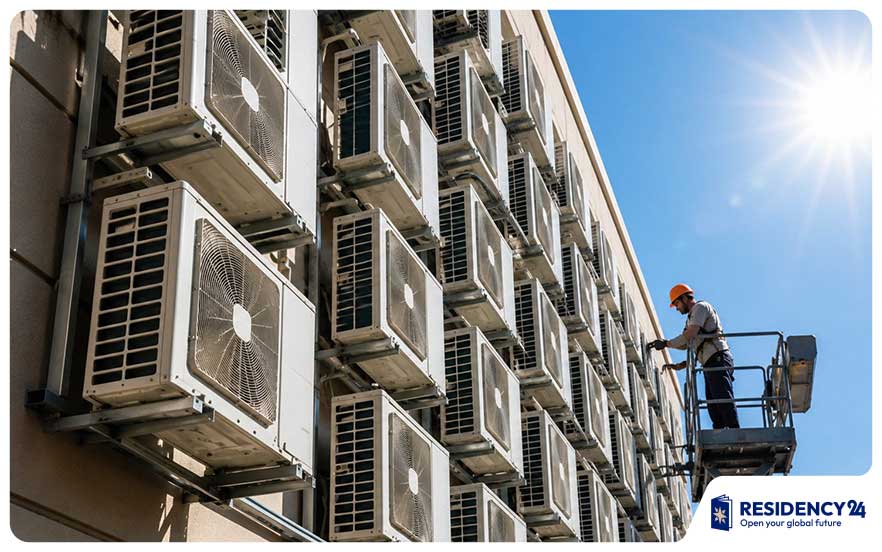
Many new residents underestimate one-time and irregular costs. These do not appear every month, but they can affect the first-year budget. If you are relocating to Dubai to start a business, understanding the process of company registration can help you plan for setup costs alongside your personal living expenses.
Important hidden costs include:
Rental security deposit
Agency commission
Ejari registration
DEWA deposit
Internet installation
Furniture and appliances
Moving costs
Car registration and insurance
Driving licence conversion or lessons
School application and registration fees
Uniforms, books, and devices
Health insurance for dependents
Visa and Emirates ID costs
Annual travel to home country
Home maintenance and AC servicing
Parking fees and Salik tolls
The first year in Dubai is often more expensive than later years because setup costs are concentrated at the beginning.
Rent Payment Terms in Dubai
Rent in Dubai is often paid by cheque, commonly in one, two, four, or twelve payments depending on the landlord and market conditions. Paying in fewer cheques can sometimes reduce rent, but it increases upfront cash requirements.
Before signing a lease, tenants should check:
Number of rent cheques
Security deposit amount
Agency fee
Maintenance responsibility
Chiller charges
Parking allocation
Renewal clause
Notice period
Early termination terms
Ejari registration
Whether the property is furnished or unfurnished
A property that looks affordable monthly may require a large upfront payment. This is one of the most important budgeting differences for new residents.
Affordable vs Comfortable Living in Dubai
Dubai can support both controlled and high-spending lifestyles. The difference is rarely one expense; it is the combination of rent, location, schools, cars, dining, and travel.
Affordable Living Pattern
Shared housing or smaller apartment
Areas outside prime districts
Public transport or one economy car
Cooking at home most days
Limited paid entertainment
Mid-range or value school options
Employer-provided health insurance
Comfortable Living Pattern
Private apartment or villa in a convenient area
One or two cars
Regular dining out
Private school or nursery
Comprehensive health insurance
Paid children’s activities
Annual travel budget
Cleaning or domestic help
The same household can move from affordable to expensive living by changing only three things: rent area, school choice, and car use.
How to Reduce Cost of Living in Dubai
Reducing living costs in Dubai is usually possible without reducing basic quality of life. The biggest savings come from housing and transport decisions.
Practical ways to reduce monthly costs:
Choose an area close to work or school.
Compare rent by building, not only by neighborhood.
Ask whether chiller is included.
Avoid overpaying for unused amenities.
Use Metro if the route is practical.
Limit daily taxis and ride-hailing.
Shop at value supermarkets.
Cook at home during the week.
Compare school fees and extra charges.
Review health insurance coverage before adding dependents.
Choose buildings with reasonable service and utility costs.
Track delivery, coffee, and subscription spending.
A household can often save AED 3,000 to AED 10,000 per month through location, school, transport, and food choices.
Is Dubai Expensive Compared With Other Global Cities?
Dubai is expensive compared with many regional cities, but it can still be cheaper than some global business hubs depending on housing, tax, and lifestyle. DMCC cited Mercer’s June 2025 ranking, where Dubai ranked 15th globally and was the most expensive city in the Middle East, while remaining more affordable than places such as Hong Kong, Singapore, and New York.
The comparison should include income tax. Dubai has no personal income tax for most residents, which can improve take-home income. However, high rent, private education, health insurance for dependents, and lifestyle costs can offset that advantage for families.
Who Finds Dubai Most Expensive?
Dubai is usually most expensive for families with school-age children, residents who rent in prime areas, people who use taxis daily, and households that maintain a premium lifestyle. It is more manageable for singles, couples without children, residents with employer benefits, and people who can live near public transport.
Dubai becomes significantly more expensive when a household combines:
Prime-area rent
Premium school fees
Two cars
Frequent dining out
Full-time childcare
Comprehensive family insurance
Regular international travel
For families, school fees and housing should be calculated before accepting a job offer or relocating. A high gross salary may not be enough if benefits are limited.
Conclusion

The cost of living in Dubai in 2026 is manageable for residents who plan housing, transport, insurance, and education carefully, but it can become high for families and premium-lifestyle households. A single person may need around AED 8,000 to AED 15,000 per month when renting independently, while a family of four may need around AED 25,000 to AED 45,000 for a controlled lifestyle and much more for premium schools, villas, and frequent leisure spending. Rent is usually the largest cost, followed by school fees for families, then transport, groceries, utilities, healthcare, and personal spending. The most reliable way to estimate a Dubai budget is to calculate rent, school, insurance, transport, and setup costs before comparing lifestyle expenses. Dubai can offer strong income potential and high living standards, but the budget only works when the main fixed costs are controlled from the start. For some investors and long-term residents, purchasing qualifying real estate may also be one of the pathways considered for the Golden Visa, provided all applicable legal requirements and eligibility criteria are met.