Foreigners can own 100% of many companies in the UAE, including most free zone companies and many mainland companies. The old rule that generally required a UAE national to hold 51% of a mainland company no longer applies to many business activities. Since the UAE’s commercial company reforms, foreign investors can fully own a wide range of onshore businesses, although some strategic, regulated, or restricted activities may still have special requirements. The key is not only whether 100% ownership is possible, but whether the chosen business activity, jurisdiction, license type, and operating model allow it.
Can Foreigners Fully Own a UAE Company?
Yes, foreign investors can fully own many UAE companies. The UAE Government states that Federal Decree-Law No. 26 of 2020 overhauled the Commercial Companies Law by permitting 100% foreign ownership of mainland companies, meaning foreign investors’ shares are no longer limited to 49% as before.
This applies to many mainland commercial and industrial activities, and free zones have long allowed full foreign ownership. However, full ownership is not automatic for every business. The activity must be eligible, the license must be issued by the correct authority, and any sector-specific approvals must be satisfied.
100% Foreign Ownership in UAE Mainland
Mainland company ownership rules changed significantly after the UAE reformed its Commercial Companies Law. Many mainland businesses can now be fully owned by non-UAE nationals without needing an Emirati shareholder.
The Ministry of Economy states that investors of all nationalities can establish and fully own companies in the UAE. It also notes that, following the Commercial Companies Law reforms, a foreign company opening a branch in the UAE no longer requires a UAE national agent.
This makes the mainland setup more attractive for foreign founders who want direct UAE market access. A mainland company can be suitable for businesses that want to serve local clients, sign contracts inside the UAE, open physical locations, hire staff, or operate across the country.
100% Foreign Ownership in UAE Free Zones
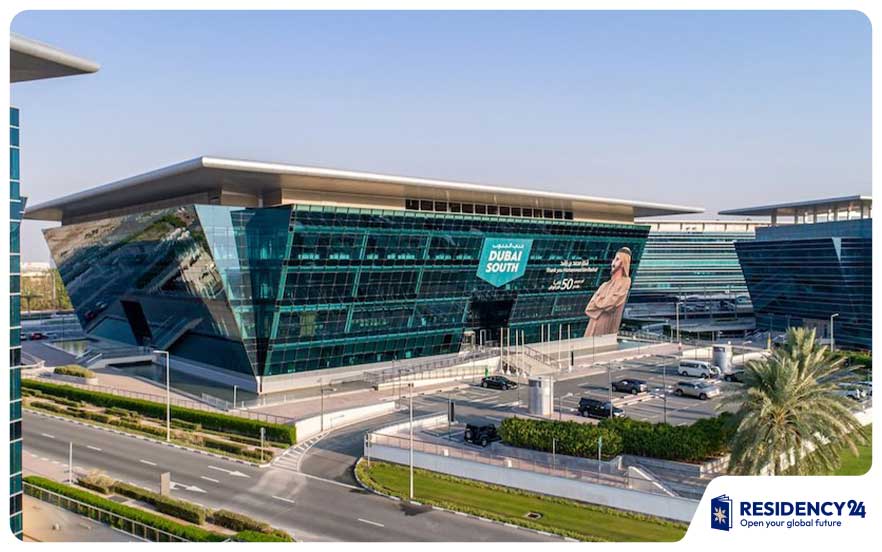
Free zones remain one of the clearest routes to 100% foreign ownership in the UAE. A free zone company is licensed by a specific free zone authority and is commonly used for international trade, consulting, e-commerce, software, media, logistics, holding structures, and professional services.
The UAE Ministry of Economy explains that the UAE has more than 40 multidisciplinary free zones and that expatriates and foreign investors can fully own companies in these zones.
Free zones are often practical for founders who want a simple ownership structure, lower entry costs, flexible office options, and limited visa packages. The main limitation is operational scope. A free zone company may need additional permissions, a distributor, a branch, or a mainland license to trade directly in the UAE mainland, depending on the activity.
Mainland vs Free Zone Ownership
Both mainland and free zone companies can offer 100% foreign ownership, but they serve different business needs. Ownership is only one part of the decision.
Factor
Mainland Company
Free Zone Company
Foreign ownership
Up to 100% for many activities
Usually 100%
Licensing authority
Local economic department, such as Dubai DET
Relevant free zone authority
UAE market access
Generally broader
Often limited outside the free zone
Office requirement
Usually stronger physical office requirement
Flexi-desk or package-based options often available
Best for
Local clients, retail, contracting, services, UAE operations
International business, consulting, digital services, startups
Regulated activities
May require external approvals
May require free zone and external approvals
Cost
Often higher
Often lower at entry level
A foreign investor should not choose a free zone only because of 100% ownership if the business needs mainland access. Mainland ownership has become more flexible, so the better question is where the business will operate and how it will earn revenue.
Which Business Activities Allow 100% Foreign Ownership?
Many commercial, professional, and industrial activities can allow 100% foreign ownership in the UAE. These may include consulting, trading, technology, manufacturing, e-commerce, marketing, education services, design, management services, logistics support, and many other activities.
However, eligibility depends on the emirate, licensing authority, activity list, and whether the activity is considered strategic or regulated. Activities connected to sectors such as security, defense, banking, insurance, telecommunications, certain transport operations, and other sensitive areas may require additional approvals or may be subject to special ownership rules.
Before applying, investors should check:
The exact activity name on the license
Whether the activity is mainland or free zone
Whether external approval is required
Whether 100% ownership is allowed for that activity
Whether the business needs a physical office, warehouse, clinic, shop, or other premises
Whether the activity allows direct mainland trading
Whether the structure supports banking and visas
The activity wording matters. A small difference in license activity can affect ownership, approvals, market access, and compliance.
Do Foreigners Still Need a Local Sponsor in the UAE?
Foreigners do not need a local sponsor for many UAE company setups, but some activities and structures may still require local involvement, a local service agent, external approval, or a specific regulatory arrangement.
The earlier model often required an Emirati shareholder for mainland limited liability companies. This has changed for many activities. Still, “no local sponsor” does not mean “no local rules.” The company must follow licensing, office, immigration, tax, and activity-specific requirements.
A local sponsor may still be relevant in limited cases, such as:
Strategic or restricted activities
Certain professional arrangements
Highly regulated sectors
Legacy company structures
Special approval cases
Branch or agency models, depending on the activity and authority
The safest approach is to confirm the rule for the specific business activity before registration.
Does 100% Ownership Mean Full Control?
In most eligible cases, 100% ownership gives the foreign shareholder full legal ownership of the company shares. It can also give full control over profits, management, and business decisions if the company documents are drafted correctly.
However, control also depends on the company’s legal documents. If there are multiple shareholders, side agreements, nominee arrangements, financing agreements, or management contracts, ownership percentage alone may not tell the full story.
Foreign investors should review:
Memorandum of association
Articles of association
Shareholder agreements
Manager appointment rights
Bank signatory rights
Profit distribution clauses
Share transfer rules
Exit provisions
Voting rights
A company can be 100% foreign-owned and still have poor internal control if the documents are not written carefully.
Legal Structures Available to Foreign Owners

Foreigners can use different company structures depending on the activity, jurisdiction, and business plan. The most common structures include mainland limited liability companies, sole establishments, civil companies, free zone limited liability companies, free zone establishments, branches, and representative offices.
Mainland Limited Liability Company
A mainland LLC is often used for commercial and industrial activities. It can be suitable for businesses that want to operate directly in the UAE market. Many activities now allow full foreign ownership.
Sole Establishment
A sole establishment may suit individual professionals or service providers. Liability and activity restrictions should be reviewed carefully before choosing this route.
Civil Company
A civil company is often used for professional activities. Depending on the emirate and activity, it may have different ownership and liability rules compared with an LLC.
Free Zone Company
A free zone company is usually simple for foreign ownership. It is suitable for international business, consulting, digital services, and startup structures, but mainland trading rules must be checked.
Branch of a Foreign Company
A foreign company can open a UAE branch to carry out approved activities. The Ministry of Economy notes that a foreign company opening a branch in the UAE no longer requires a UAE national agent under the reformed Commercial Companies Law framework.
Benefits of 100% Foreign Ownership
Full foreign ownership gives investors more control over company decisions and profits. It also makes UAE company formation easier to understand for founders who want direct ownership without a local shareholder structure.
Main benefits include:
Full share ownership
Direct control over business decisions
Full profit entitlement, subject to tax and company rules
Easier shareholder structuring
More confidence for foreign investors
Simpler exit and share transfer planning
Better alignment with international investment expectations
Reduced dependency on sponsor arrangements
For founders comparing company formation, UAE residency, investment, or property-linked planning in Dubai, Residency24 works in areas such as business setup, residence solutions, property purchase, and investment structuring.
Limits and Restrictions Foreign Investors Should Know
Full foreign ownership does not remove all compliance obligations. A foreign-owned UAE company must still follow licensing, tax, immigration, labor, banking, and sector rules.
Key limitations include:
Some activities may still be restricted.
Regulated sectors may require external approval.
A free zone company may not automatically trade in the mainland.
Corporate tax and VAT rules may apply.
A residence visa is not automatic unless applied for separately.
Bank account opening is subject to bank compliance.
Office or workspace rules still apply.
License renewal must be completed on time.
Activity changes may require approval.
Foreign ownership reform makes the UAE more accessible, but it does not replace proper setup planning.
Can a Foreigner Own 100% of a Dubai Mainland Company?
Yes, a foreigner can own 100% of many Dubai mainland companies if the selected activity is eligible. Dubai follows the UAE’s wider commercial ownership reforms, but the final approval depends on the activity, legal form, and licensing authority.
Dubai mainland can be a strong choice if the company needs:
Direct UAE customer access
Local contracts
Retail or customer-facing premises
Government or semi-government work
On-site services
Larger operational flexibility
A structure recognized by local suppliers and clients
However, founders should not assume that every Dubai mainland activity is open to full foreign ownership. The activity list and external approvals should be checked before reserving the trade name or signing a lease.
Can a Foreigner Own 100% of an Abu Dhabi Company?
Yes, many Abu Dhabi mainland and free zone companies can be fully foreign-owned, subject to the activity and licensing authority. Abu Dhabi has also supported foreign investment through mainland licensing reforms and major free zones such as ADGM, Masdar City Free Zone, and Khalifa Economic Zones.
The decision in Abu Dhabi follows the same practical logic: choose mainland for local market operations and a free zone for activity that fits that environment. Regulated sectors, professional activities, and strategic industries may need additional approvals.
Can a Foreigner Own 100% of a UAE Company Without Living in the UAE?
Yes, in many cases a foreigner can own a UAE company without being a UAE resident. Company ownership and personal residency are separate issues. A person can be a shareholder without holding a residence visa, depending on the authority and structure.
However, having a UAE residence visa can help with:
Corporate bank account applications
Emirates ID issuance
Long-term management presence
Signing leases and local contracts
Family relocation
Tax residency planning, where applicable
Non-resident ownership is possible, but it may create practical limits for banking and daily management.
Documents Required for 100% Foreign-Owned Company Setup
Documents depend on whether the company is mainland or free zone and whether the shareholder is an individual or corporate entity.
Common documents for individual shareholders include:
Passport copy
UAE visa or entry stamp, if available
Emirates ID, if already resident
Passport-size photo
Proof of address
Proposed trade names
Selected business activity
Shareholding details
Manager appointment details
Corporate shareholders may need:
Certificate of incorporation
Memorandum and articles of association
Board resolution
Certificate of good standing or incumbency
Register of shareholders
Attested and translated documents, where required
Regulated activities may also require business plans, professional certificates, financial statements, experience proof, or approvals from sector authorities.
Steps to Set Up a 100% Foreign-Owned Company in the UAE
The setup process depends on the emirate and jurisdiction, but most applications follow a similar structure.
Choose mainland or free zone.
Select the exact business activity.
Confirm whether 100% foreign ownership is allowed.
Choose the legal structure.
Reserve the trade name.
Apply for initial approval.
Prepare shareholder and company documents.
Sign incorporation documents.
Arrange office, flexi-desk, or premises.
Pay license and registration fees.
Receive the trade license.
Open immigration and establishment files if visas are needed.
Apply for investor, partner, or employee visas.
Prepare for corporate bank account opening.
The most important step is activity confirmation. If the activity is wrong, the company may face restrictions later even if the license is issued.
Banking for Foreign-Owned UAE Companies

A 100% foreign-owned UAE company can apply for a corporate bank account, but banks are not required to approve every application. Banks review risk, activity, ownership, source of funds, expected transactions, and business evidence.
Banks may request:
Trade license
Shareholder documents
Memorandum of association
Office lease or free zone documents
Passport and visa copies
Business plan
Supplier and customer contracts
Invoices
Website or company profile
Source of funds explanation
Expected monthly transaction volume
A fully foreign-owned company with a clear business model and proper documents usually has a stronger banking profile than a company formed only for residency with no commercial evidence.
Tax Considerations
Foreign-owned companies in the UAE may be subject to UAE corporate tax depending on taxable income, structure, activity, and applicable rules. VAT registration may also be required if taxable supplies cross the registration threshold.
Free zone companies may qualify for special corporate tax treatment if they meet the relevant conditions, but this should not be assumed automatically. Mainland companies and free zone companies both need proper bookkeeping, invoicing, and tax review.
Foreign investors should also consider tax rules in their home country. Owning a UAE company does not automatically remove foreign tax reporting or residency obligations elsewhere.
Common Mistakes to Avoid
Many foreign investors misunderstand 100% ownership by treating it as the only setup decision. It is important, but it does not answer all legal and commercial questions.
Common mistakes include:
Assuming every mainland activity allows full foreign ownership
Choosing a free zone company despite needing direct mainland trading
Ignoring external approval requirements
Focusing only on first-year setup cost
Not checking visa eligibility
Using the wrong business activity
Not preparing for bank compliance
Signing shareholder documents without legal review
Ignoring tax registration and accounting
Assuming company ownership automatically gives personal residency
A better approach is to build the structure around the business model, then confirm ownership rules.
Conclusion

Foreigners can own 100% of many companies in the UAE, including most free zone companies and many mainland companies. The UAE’s commercial ownership reforms removed the old 49% foreign ownership limit for many mainland activities, making the country more accessible for international investors and founders. However, some strategic, regulated, or restricted sectors may still require special approvals or different structures. Before setting up a company, investors should confirm the exact business activity, licensing authority, ownership rules, market access, office needs, visa options, banking requirements, and tax obligations.