The best business opportunities in Dubai are found in sectors where demand is supported by population growth, tourism, trade, digital adoption, infrastructure investment, and the UAE’s long-term economic plans. In 2026, strong opportunities include e-commerce, real estate services, tourism and hospitality, business consulting, technology, logistics, healthcare, education, food and beverage, sustainability, and professional services. Dubai is not a market where every idea works simply because the city is growing. The most viable businesses solve a clear problem, match the right license structure, control setup costs, and serve a customer segment with measurable demand.
What Are the Best Business Opportunities in Dubai Right Now?
The best business opportunities in Dubai are e-commerce, digital services, real estate-related services, tourism support, business consulting, logistics, healthcare, education, food and beverage, fintech, sustainability services, and AI-enabled B2B solutions. These sectors benefit from Dubai’s role as a regional business hub, its growing resident population, high visitor numbers, international trade links, and government focus on innovation and investment.
Dubai’s Economic Agenda D33 aims to double the size of Dubai’s economy over a decade and place the city among the world’s top three global cities. This long-term policy direction supports business opportunities connected to trade, technology, tourism, logistics, financial services, and knowledge-based industries.
E-Commerce Business
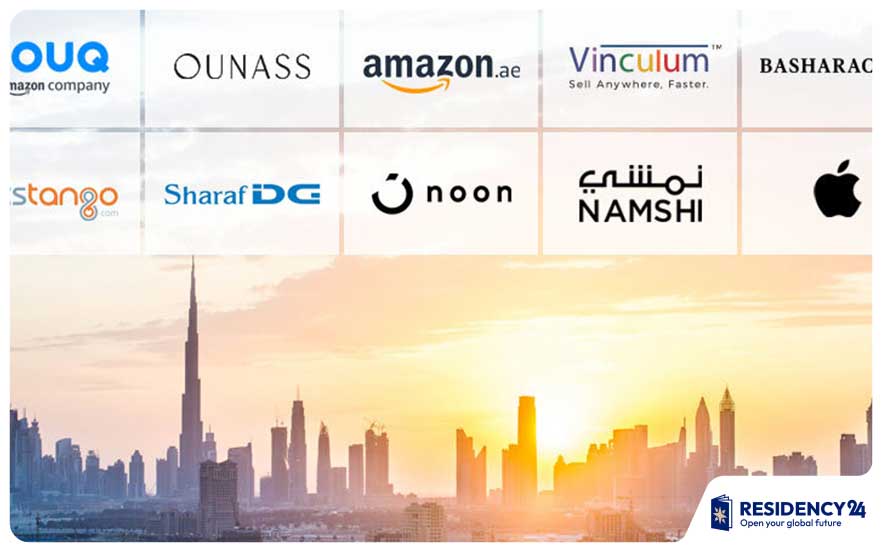
E-commerce remains one of the most practical business opportunities in Dubai because consumers are comfortable buying online, payment systems are mature, and the UAE has strong logistics infrastructure. The opportunity is not limited to launching a general online store. The stronger model is usually a focused niche with reliable suppliers, fast delivery, clear returns, and strong customer service.
Good e-commerce ideas include:
Beauty and personal care products
Premium home goods
Fitness and wellness products
Baby and family products
Pet supplies
Specialty food products
Modest fashion and accessories
B2B product supply platforms
The main challenge is competition. A new e-commerce business must control acquisition costs and avoid selling products that are easy to copy. Licensing also matters. The activity must match whether the company sells physical goods, operates a marketplace, imports products, or provides online services.
Real Estate Services

Dubai’s real estate market creates business opportunities beyond buying and selling property. Demand exists for brokerage, property management, short-term rental management, interior fit-out coordination, relocation support, property photography, maintenance, tenant screening, and investor reporting.
This sector can be attractive because Dubai has a large mix of residents, investors, tourists, landlords, and international buyers. However, it is also regulated and competitive. Businesses working in real estate brokerage or property-related advisory must follow the relevant licensing and approval requirements.
A useful entry point is a specialized service rather than a broad real estate company. For example, a business can focus on short-term rental operations for overseas owners, villa maintenance for family communities, or investor reports for one specific property segment. For founders comparing real estate, residency, and investment routes in Dubai, Residency24 works in areas such as property purchase, company setup, UAE residency, and investment planning.
Tourism and Hospitality Services
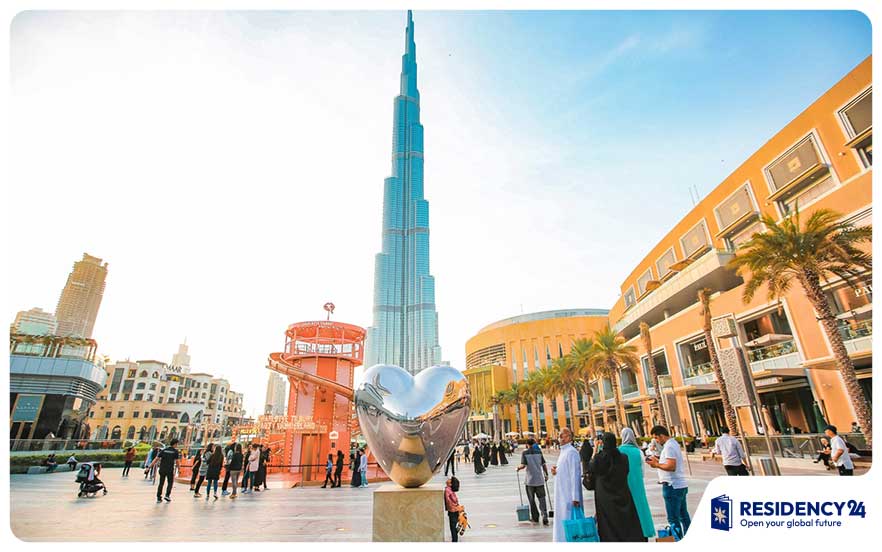
Tourism creates consistent business demand in Dubai. The opportunity is not only in hotels. It includes travel experiences, concierge services, event support, luxury transport, destination management, corporate travel, wellness tourism, food tours, family itineraries, and visitor-focused digital platforms.
Dubai’s Department of Economy and Tourism describes its role as supporting Dubai’s position as a global business and tourism destination, with official resources for launching businesses, events, and tourism services.
Practical tourism-related ideas include:
Niche tour operations
Corporate event planning
Luxury concierge services
Medical tourism coordination
Family travel planning
Short-stay guest services
Airport transfer and premium transport coordination
The main risk is seasonality and licensing. Tourism businesses may need specific approvals, insurance, trained staff, and clear service standards. A weakly differentiated travel business will struggle against established operators.
Business Consulting and Corporate Services
Dubai attracts founders, investors, freelancers, regional headquarters, and international companies. This creates demand for business consulting and corporate services, especially for market entry, operations, HR, accounting,
tax coordination, compliance, and business development.
A consulting business can work well when it solves a specific problem for a defined audience. General consulting is harder to sell. A focused offer, such as finance operations for startups, HR compliance for SMEs, or market-entry research for European companies, is usually more credible.
Useful service areas include:
Market entry consulting
Accounting and bookkeeping coordination
HR and recruitment support
Corporate tax readiness
Operations consulting
Sales development for B2B companies
Procurement support
Industry-specific advisory
This sector has low inventory requirements, but trust is the main barrier. Case studies, clear methodology, and transparent deliverables matter more than broad claims.
Technology and Software Services

Technology is one of the strongest business opportunities in Dubai because nearly every sector is digitizing. Demand exists for software development, cybersecurity, cloud migration, AI automation, CRM implementation, data analytics, fintech infrastructure, and industry-specific SaaS.
The UAE Government’s Investor Navigator lists ICT, fintech, smart cities, autonomous transportation, gaming, and creative economy among sectors included in its investment opportunity heatmap. The tool is designed to help investors understand growth outlooks and opportunities across UAE sectors.
Promising technology business ideas include:
AI automation for SMEs
Cybersecurity services for small businesses
Restaurant and retail software tools
Real estate CRM systems
Logistics tracking platforms
Fintech compliance tools
Arabic-English business software localization
Data dashboards for founders and investors
Technology businesses should avoid building generic products without market validation. The stronger approach is to start with a service, identify repeated problems, and then develop software around proven demand.
Logistics and Delivery Services
Dubai’s location makes logistics a natural business opportunity. The city connects Asia, Europe, Africa, and the wider Middle East through strong ports, airports, free zones, and warehousing infrastructure.
Opportunities exist in last-mile delivery, cold chain logistics, e-commerce fulfillment, warehouse management, freight forwarding, customs support, returns management, and specialized delivery for food, healthcare, or high-value goods.
This sector is operationally demanding. Margins can be tight, and service reliability matters. A logistics business must manage licensing, vehicles, insurance, staff, software, warehouse space, and customer service. It is better suited to founders who understand operations, not only marketing.
Healthcare and Wellness Services
Healthcare and wellness are strong opportunity areas because Dubai has a growing resident population, medical tourism ambitions, and high demand for quality private services. The opportunity includes clinics, home healthcare, physiotherapy, mental wellness platforms, nutrition services, diagnostics coordination, senior care support, and specialized wellness programs.
The UAE Government’s investment heatmap includes healthcare as one of the sectors covered for growth opportunities and outlook.
Healthcare is not a simple low-cost business route. It is regulated, requires professional licensing, and often needs approvals from health authorities. A more accessible entry point may be non-clinical support services, wellness education, appointment platforms, or operational services for healthcare providers.
Education and Training
Education is a practical business opportunity in Dubai because of the large expatriate population, professional workforce, and demand for skills development. Opportunities exist in tutoring, test preparation, professional training, language learning, coding education, corporate training, early childhood services, and online learning platforms.
Business ideas include:
English and Arabic language training
Professional certification preparation
Coding classes for children
Corporate sales training
Finance and accounting workshops
AI skills training for office workers
University admissions support
Exam preparation for international curricula
Education businesses must be careful with licensing and claims. If the business provides formal training, tutoring, or childcare-related services, it may require specific approvals. Trust is built through qualified instructors, measurable outcomes, and clear course design.
Food and Beverage Business
Food and beverage can be profitable in Dubai, but it is also one of the most competitive sectors. The opportunity is strongest when the concept is specific, operationally efficient, and matched to location or delivery demand.
Potential F&B opportunities include:
Cloud kitchens
Healthy meal subscriptions
Specialty coffee concepts
Corporate catering
Premium desserts
Ethnic food niches
Family-friendly cafés
Functional beverages
F&B requires more than a good menu. Rent, food cost, staffing, delivery platform commissions, municipality approvals, kitchen operations, and brand consistency can determine whether the business survives. Many founders underestimate working capital in this sector.
Digital Marketing and Content Services
Dubai has many SMEs, startups, property companies, clinics, restaurants, consultants, and e-commerce brands that need digital visibility. This creates demand for digital marketing, SEO, paid ads, social media management, video production, performance marketing, email marketing, and conversion optimization.
The best opportunity is not a generic agency. Dubai already has many agencies. A more viable model is a specialized service for a specific vertical, such as real estate lead generation, clinic SEO, restaurant short-form video, or B2B LinkedIn campaigns.
A digital marketing company can start with lower overhead than many businesses, but results must be measurable. Clients in Dubai often compare agencies quickly, so reporting, retention, and commercial outcomes matter.
Financial Technology and Payment Services
Fintech has strong potential in Dubai because of the city’s role as a financial hub, the growth of cross-border business, and demand for digital payments, compliance tools, SME finance, remittances, and wealth platforms.
The opportunity is attractive but regulated. A fintech business may need approvals from authorities such as the Dubai Financial Services Authority, Central Bank, or other relevant regulators depending on the exact activity.
More accessible fintech-adjacent ideas include:
Financial education platforms
Expense management tools for SMEs
Invoice tracking software
Compliance workflow tools
Payment integration consulting
Accounting automation services
Founders should avoid assuming that every finance-related app can operate with a normal commercial license. Regulated activity must be checked early.
Sustainability and Green Services
Sustainability-related business opportunities are growing in Dubai because companies, property owners, developers, and public-sector partners are under pressure to reduce waste, energy use, and environmental impact. Opportunities exist in energy audits, waste reduction, sustainable packaging, ESG reporting, water-saving systems, electric mobility support, and green building services.
The UAE’s Investor Navigator includes renewables and smart cities among sectors for investment opportunity analysis, reflecting the country’s focus on future-oriented infrastructure and sustainability.
This sector is strongest for founders with technical knowledge, supplier access, or B2B sales ability. It is weaker for businesses that use sustainability only as branding without measurable cost savings or compliance value.
Interior Design, Fit-Out, and Home Services
Dubai’s real estate activity creates demand for interiors, fit-out coordination, furnishing, maintenance, cleaning, landscaping, smart home installation, and moving services. This is a practical opportunity because residents, landlords, investors, and businesses all need property-related support.
Good niches include:
Apartment furnishing for investors
Short-term rental setup
Villa maintenance packages
Office fit-out coordination
Smart home upgrades
Move-in inspection services
Deep cleaning for handovers
Home organization services
The challenge is execution quality. Customers expect speed, clear quotes, reliable workers, and after-service support. Licensing, insurance, and supplier management are important in this field.
Import and Export Trading
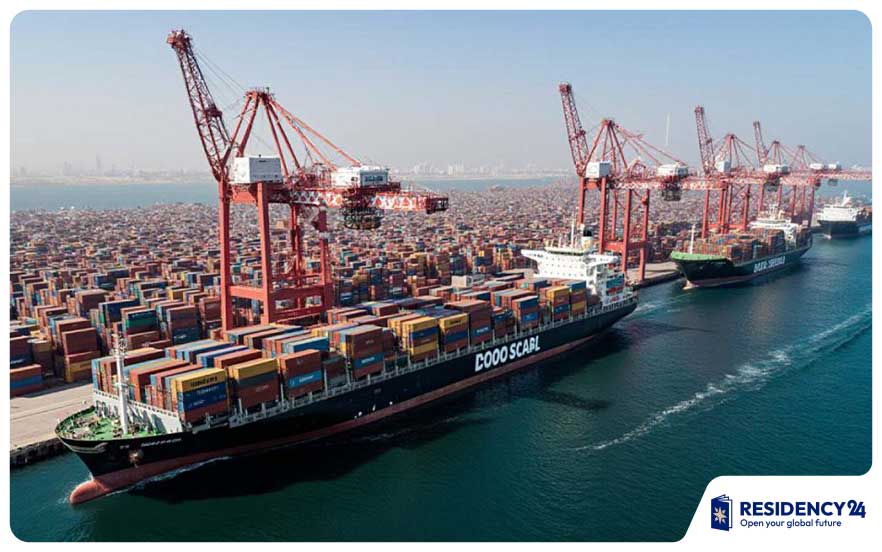
Dubai is a strong trading hub because of its ports, airports, free zones, and geographic position between major markets. Import-export opportunities exist in food products, electronics, building materials, auto parts, fashion, cosmetics, industrial supplies, and niche consumer goods.
Trading businesses can be profitable, but they require capital, supplier relationships, logistics knowledge, customs understanding, and bank confidence. A broad “general trading” license may look flexible, but banks and partners often prefer a clear business model.
A focused trading business is usually stronger than a broad one. For example, importing specialty food products for hospitality clients is more focused than trying to trade any product category.
AI and Automation Services for SMEs
AI services are becoming a practical business opportunity in Dubai because many small and medium-sized businesses want automation but do not know how to implement it. This creates room for consultants, integration specialists, workflow designers, and industry-specific automation providers.
Useful AI service ideas include:
Customer support automation
CRM workflow automation
Lead qualification systems
Document processing
Inventory forecasting
Reporting dashboards
Internal knowledge bases
Marketing content workflows
The strongest AI businesses solve operational problems, not vague innovation goals. A restaurant, clinic, real estate agency, or logistics company will pay for AI only if it reduces cost, saves time, or improves sales.
Best Low-Cost Business Opportunities in Dubai
Low-cost opportunities in Dubai are usually service-based, digital, or consultancy-led. They require skill and market access more than inventory or physical premises.
Lower-cost options include:
Freelance consulting
Digital marketing
Web design
Content production
Virtual assistance
Online tutoring
Business development services
Recruitment support
Bookkeeping coordination
Social media management
Translation and localization
Personal training, subject to permits
Low-cost does not mean low-effort. These businesses often depend on the founder’s reputation, sales ability, and service quality. The main advantage is that they can start lean and grow through client retention.
Best Business Opportunities for Foreigners in Dubai
Foreign founders usually do well in Dubai when they use international experience to serve a local or regional gap. The UAE allows full foreign ownership in many mainland and free zone structures, making it easier for non-citizens to start companies.
Strong opportunities for foreigners include:
Market entry consulting for companies from their home country
Importing niche products
Tourism services for specific language groups
International education consulting
B2B software services
Specialist recruitment
Property services for overseas investors
Cross-border e-commerce
Professional training
Design, branding, and creative services
The advantage for foreign founders is network access. A founder who understands both Dubai and another market can connect suppliers, clients, tourists, investors, or service providers across borders.
How to Choose the Right Business Opportunity in Dubai
The right opportunity should match demand, licensing, capital, skills, and customer access. A business idea that works elsewhere may fail in Dubai if the cost structure or licensing model is wrong.
Before choosing, ask:
Who will pay for this product or service in Dubai?
Is demand recurring or one-time?
Is the activity allowed under a clear license?
Do I need a mainland or free zone company?
What is the real first-year cost?
How many visas are needed?
Is the sector regulated?
Can I open a bank account with this activity?
What makes the business different from existing competitors?
Can the business survive without heavy advertising?
A good opportunity is not only popular. It must be executable with the founder’s budget, skills, and timeline.
Mainland or Free Zone for a New Business in Dubai?
A free zone is often better for digital, consulting, e-commerce, media, and international service businesses. It can offer lower entry cost, simple ownership, and flexible workspace options.
Mainland is often better for restaurants, retail shops, clinics, real estate brokerage, local services, contracting, and businesses that need to operate directly across Dubai. The UAE Government provides separate official guidance for starting a business on the mainland and in free zones, which shows that the setup route should match the business model.
The decision should be made before signing contracts, renting office space, or building a website. Changing structure later can be expensive.
Common Mistakes to Avoid
Many founders in Dubai make the same mistake: they choose a business idea based on trend reports rather than customer evidence. A market can be growing and still be difficult for new entrants.
Common mistakes include:
Choosing a crowded sector without a niche
Underestimating setup and renewal costs
Selecting the wrong license activity
Ignoring regulated approvals
Assuming a free zone company can do every type of mainland business
Spending too much on branding before getting customers
Not budgeting for marketing and working capital
Relying only on social media leads
Not preparing banking documents
Hiring too early
Copying a business model from another country without local testing
The best founders validate demand before overcommitting. They speak to customers, test pricing, check license requirements, and estimate cash flow before launching.
Conclusion
The best business opportunities in Dubai are in sectors supported by real demand: e-commerce, real estate services, tourism, consulting, technology, logistics, healthcare, education, food and beverage, sustainability, and digital services. Dubai’s economy offers strong conditions for founders, but success depends on choosing a clear niche, the right license, a realistic cost structure, and a business model that fits local customer behavior. The most reliable opportunities are not always the most fashionable ones. They are the ones where the founder can solve a specific problem, comply with UAE rules, and build repeatable revenue.